Ten of Swords — Tarot Card Meaning
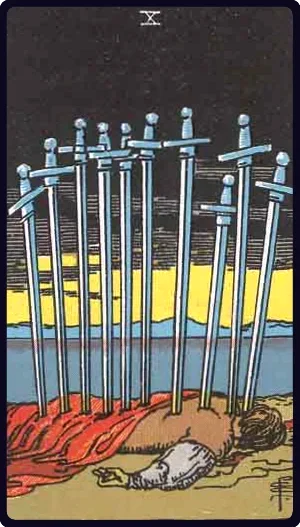
The Ten of Swords closes the numbered cards of the Suit of Swords and shows their energy at its most extreme point. In the Rider-Waite deck a man lies face down on the ground, his back pierced by ten blades. A red cloak drapes beneath him, the earth is dark, and the water nearby is perfectly still. On the horizon, behind black storm clouds, a band of golden sunrise begins to break.
Ten swords in the back signal total defeat, the blow after which nothing more can be lost. The black sky speaks of the dark night of the soul, the moment when all strength has run out. Yet the rising sun is the promise that rock bottom has been reached, and things cannot get any worse. The calm sea beside the figure hints that stillness always follows the storm.
Swords govern thoughts, words, and conflict, while the ten completes any cycle. The Ten of Swords therefore arrives when a chapter closes for good. This is not a gentle fading but a sharp, sometimes brutal finale. The card speaks of pain, but it carries a quiet promise alongside it: after this fall, the climb begins.
Everyone Reads at Astralika
Enough theory: time to ask the Tarot a question of your own. There are 271 readings on love, work, health and more.
Upright Meaning
The upright Ten of Swords speaks of collapse and a painful ending. A situation has reached its limit and crumbled, often suddenly and at the worst possible moment. You may feel defeated, betrayed, or backed into a corner with no familiar way out.
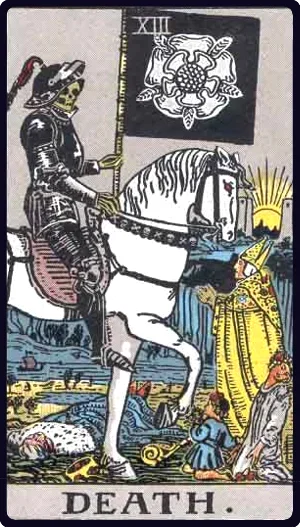
The card shows the lowest point, the place where strength is spent and plans lie in ruins. It can mark a breakup, a job loss, a betrayal by someone close, or the collapse of hopes you poured yourself into. Unlike the Death card, which brings a natural turning of the cycle, the Ten of Swords carries a man-made, deliberate kind of end.
In a practical reading the upright Ten of Swords answers honestly that a good outcome is unlikely. The matter has ended badly, and the moment calls for accepting defeat. The card advises you not to cling to what is already broken, because only by letting go does the path forward open.
Reversed Meaning
The reversed Ten of Swords lifts the fallen figure and draws the blades from his back. The worst is already behind you, the bottom has been touched, and slow recovery begins. The hardest blow landed earlier, and now your strength is steadily returning.
This is a sign of healing and a second wind. You move through the crisis and emerge with new perspective, finally able to look at the old pain from a distance. Sometimes the reversed card means the catastrophe you feared will never actually arrive, and the threat proves far smaller than imagined.
There is a warning here too. The reversal can show that you are stuck in the role of victim, holding on to past suffering when it is time to release it. Recovery may drag on because fear of a repeat keeps you frozen. The card advises you to close the old story deliberately and stop returning to it.
Love and Relationships
Upright. In matters of love the upright Ten of Swords is one of the harshest cards. For couples it points to a sharp breakup, infidelity, or a betrayal that leaves the relationship beyond repair. The ending often comes without warning, like a blade in the back, and leaves deep bitterness behind.
For singles the card shows someone who has not yet let go of a painful past. The heart is closed, old wounds make trust difficult, and memories of former hurt keep new connections at arm's length. Sometimes the Ten of Swords marks the end of a long run of unhappy relationships.
Reversed. The reversed Ten of Swords brings relief. The hardest stretch is over, and your love life slowly begins to settle. A couple that survived a crisis starts to rebuild trust, while someone who suffered for a long time is finally ready to release the past.
For singles the reversed card speaks of a willingness to risk again. You overcome the fear of closeness left by old pain and open up to new love. Sometimes it hints that the breakup you dreaded will not happen after all.
Career and Work
Upright. In work the upright Ten of Swords warns of collapse and loss. It can signal a layoff, a failed project, or the shutting down of something you invested real effort in. Sometimes the blow comes from colleagues or partners you counted on, in the form of backstabbing or gossip. The familiar road to income is cut off.
The card also points to burnout, the exhaustion of pushing yourself past the breaking point. The old strategy has run its course, and there is no sense fighting for what has already fallen. Accept the end of this chapter and prepare to change direction.
Reversed. The reversed Ten of Swords in work says the crisis is survivable. There will be no final ruin, and new prospects open once the difficult period passes. It is the right time to review your mistakes and find another route to your goal. Financial recovery is closer than it looks, as long as you avoid repeating old missteps.
Finances
Upright. In money matters the upright Ten of Swords gives a bleak forecast. It can point to lost funds, debt, or a poor investment that turned into a loss. The card advises against taking financial risks or starting large expenses until the situation stabilizes.
Reversed. The reversed Ten of Swords speaks of financial recovery. The heaviest losses are behind you, and your position is slowly steadying. There is a chance to recover what was lost, provided you act on a new plan and do not repeat the same errors.
Health
Upright. In health questions the upright Ten of Swords is a cautionary sign. The card warns of deep exhaustion, a flare-up of illness, or the risk of injury. It often points to a state of complete burnout, with chronic fatigue or even a nervous breakdown, when the body signals that it has hit a wall. Pay close attention to how you feel and do not delay seeing a doctor.
Reversed. The reversed position brings hope. The critical moment has passed, the body begins to recover, and strength gradually returns. Healing will not be fast, but the direction is right. The card advises you to take care of yourself and not rush the process.
Situation and Question
Upright. In a reading about a specific situation, the upright Ten of Swords says the matter has reached a painful end. The conclusion has arrived or is about to, and it will be hard. The card advises you to accept the defeat and stop trying to revive what cannot be brought back.
Reversed. The reversed Ten of Swords in a question shows that the worst is already over. The situation is starting to turn for the better, and the threat proves overblown. Sometimes the card says you are holding on to old pain for nothing, and it is time to move on.
Card of the Day
Upright, the Ten of Swords warns of a difficult day. Bad news, conflict, or a sense of depleted energy are all possible. It is better to avoid important tasks, steer clear of arguments, and spend the day quietly, giving yourself a chance to rest.
Reversed, the card promises the end of an unfavorable stretch. A heavy period is winding down, and today you may feel the first sense of relief. It is a good moment to draw a line under the past and take a small step forward.
Card Advice
Upright, the Ten of Swords advises you to accept the ending and release what is already broken. Do not pour energy into a hopeless cause, and do not blame yourself for what happened. Acknowledge the bottom, push off from it, and begin the climb back up.
Reversed, the card recommends that you stop playing the victim. The worst is behind you, so stop looking back at the old pain. Forgive yourself and others, take the lesson with you, and move calmly toward the next chapter.
Combinations With Other Cards
Combinations in Brief
Major Arcana
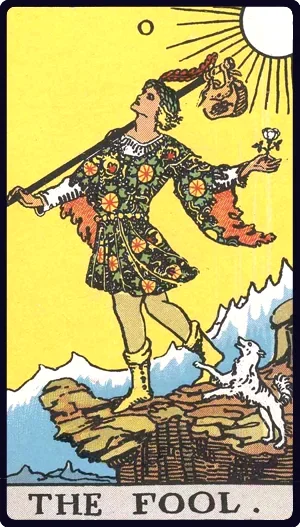
- The Fool · A painful ending before a clean fresh start
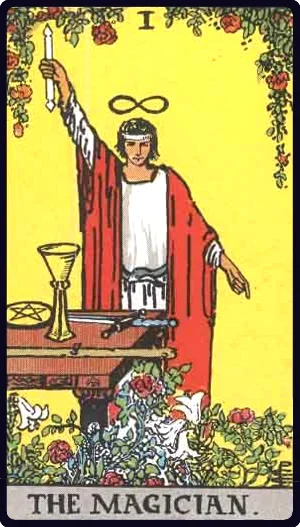
- The Magician · The strength to climb back from the bottom
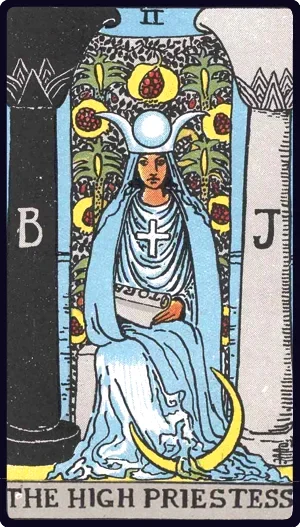
- The High Priestess · A hidden cause behind the collapse
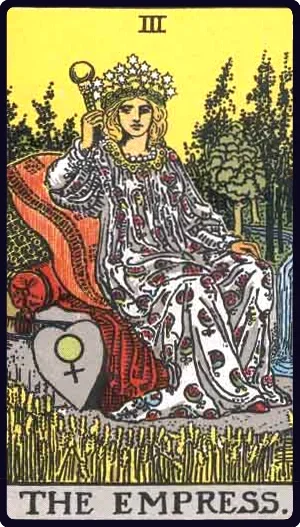
- The Empress · A loss from which care is reborn
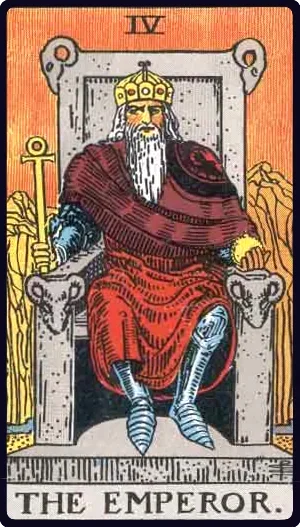
- The Emperor · A hard ending forced by outside pressure
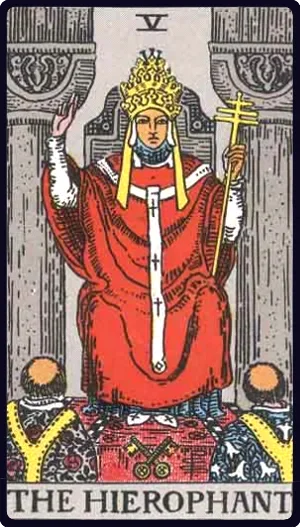
- The Hierophant · A break with old rules and traditions
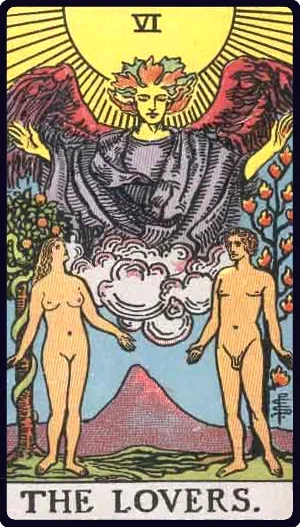
- The Lovers · A painful breakup and a difficult choice
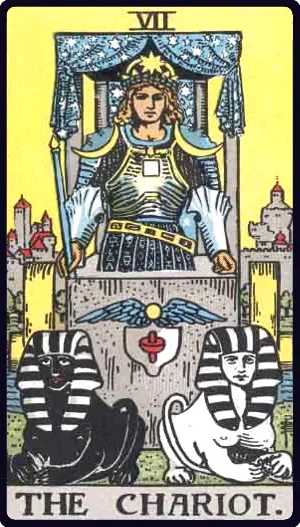
- The Chariot · The will to push out of the dead end
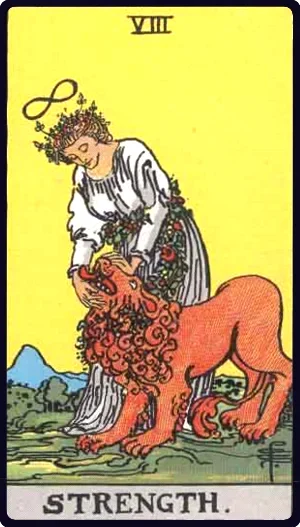
- Strength · The endurance to survive the blow
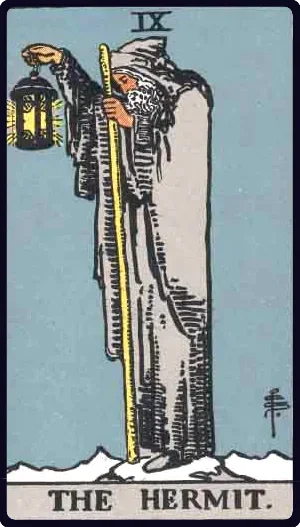
- The Hermit · Retreat into solitude after defeat
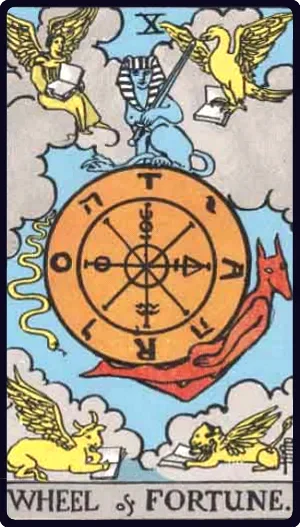
- Wheel of Fortune · A turn of fate through a painful end
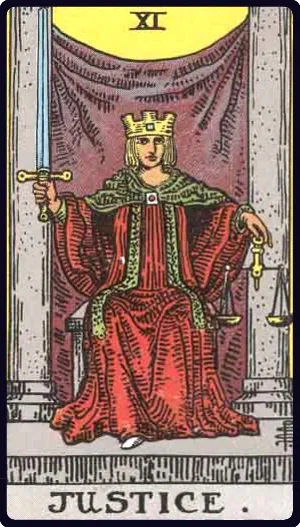
- Justice · A reckoning and a fitting conclusion
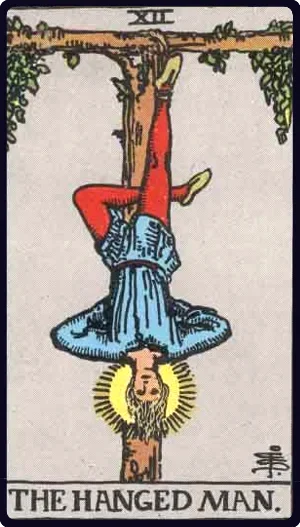
- The Hanged Man · Sacrifice and acceptance of the inevitable
- Death · A full and final close of a chapter
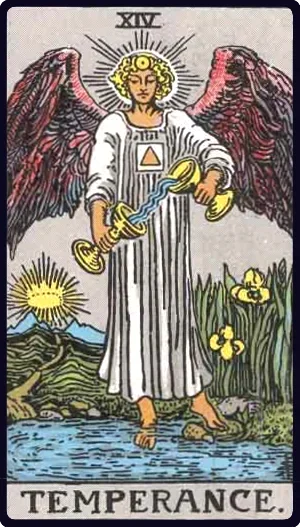
- Temperance · Slow healing after the collapse
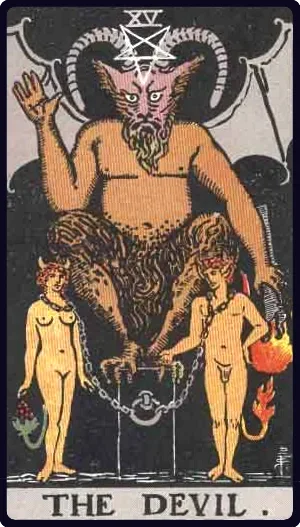
- The Devil · A fall driven by addiction or deceit
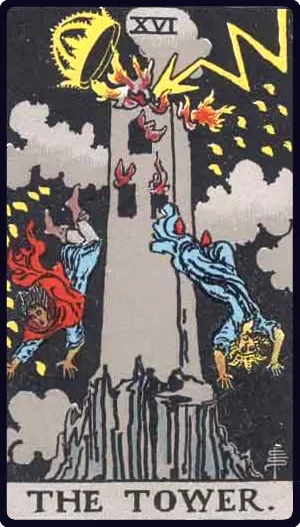
- The Tower · A sudden catastrophe that shatters everything
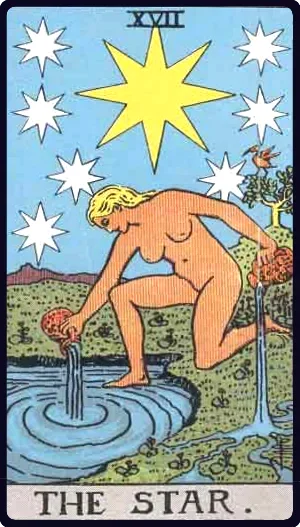
- The Star · Hope and dawn after a dark stretch
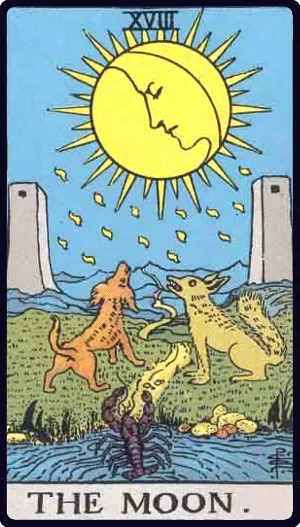
- The Moon · An ending amid fear and uncertainty
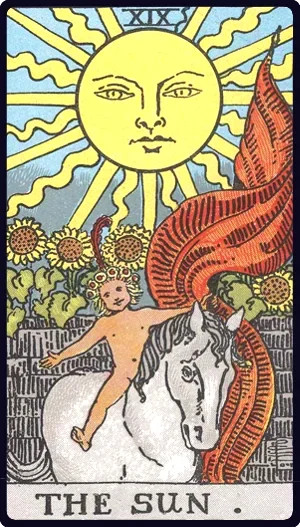
- The Sun · Light and relief after a hard time
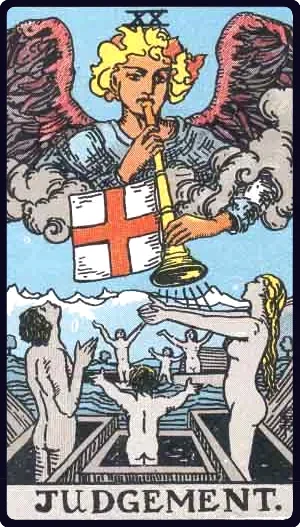
- Judgement · Drawing a line and reassessing the past
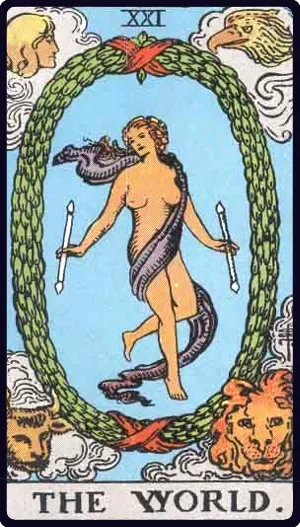
- The World · Completion of a cycle and exit from crisis
Wands
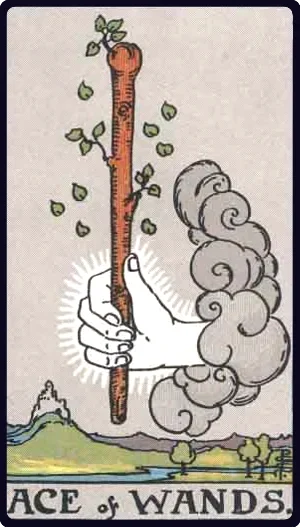
- Ace of Wands · A new start to replace a collapsed venture
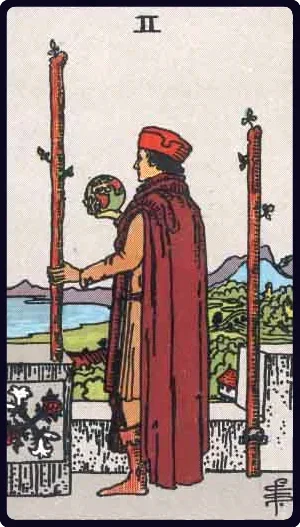
- Two of Wands · Long-range plans falling apart
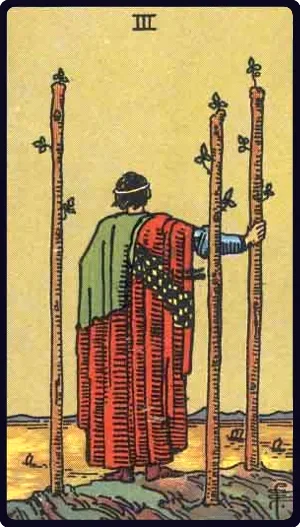
- Three of Wands · Awaited results that never arrive
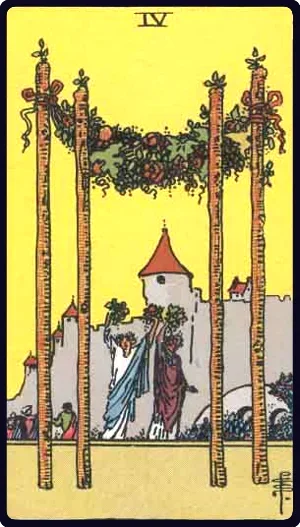
- Four of Wands · Relief and calm after the blow
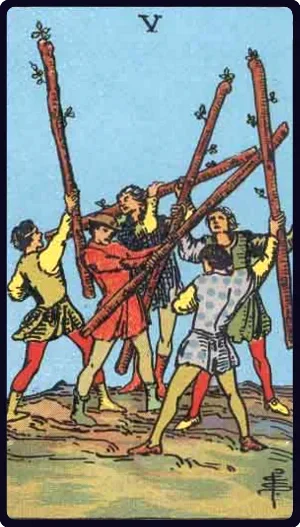
- Five of Wands · Conflict finishing off the situation
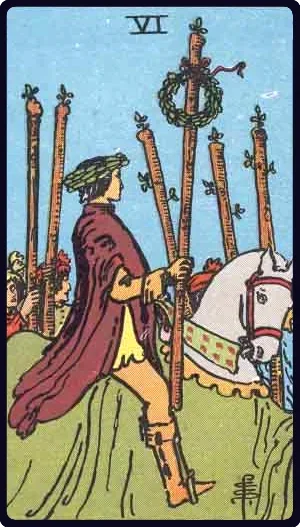
- Six of Wands · A victory that came at too high a price
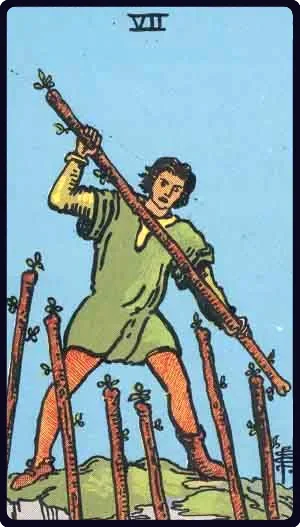
- Seven of Wands · Strength fading in an unequal fight
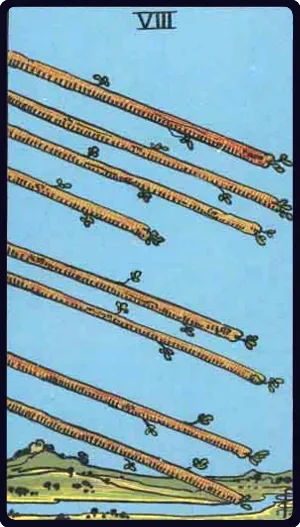
- Eight of Wands · A swift resolution of heavy events
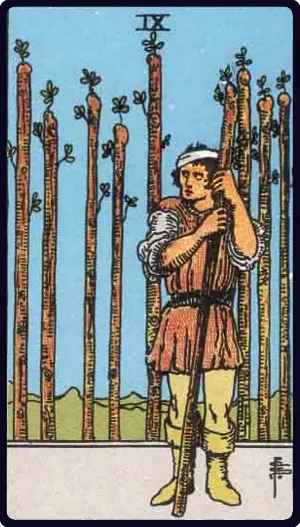
- Nine of Wands · A final blow to a worn-out person
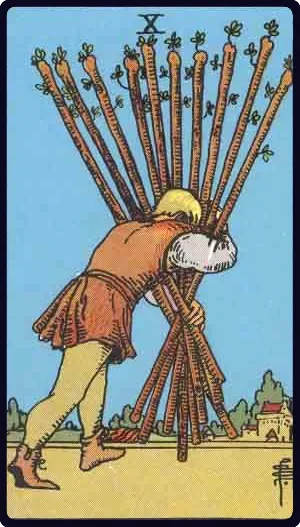
- Ten of Wands · A burden collapsing under its own weight
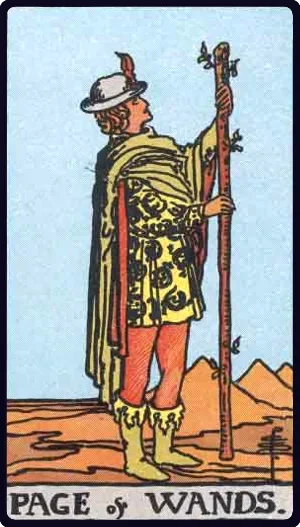
- Page of Wands · Bad news about a ruined plan
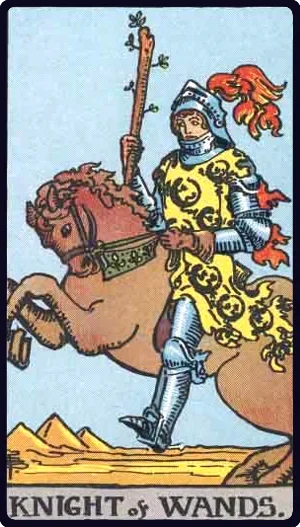
- Knight of Wands · An impulse leading to a sharp ending
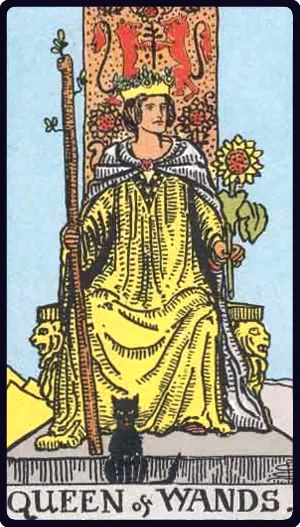
- Queen of Wands · The strength to recover and rise again
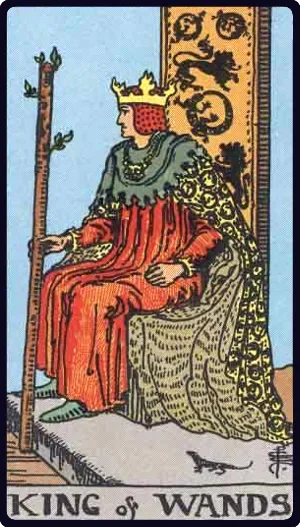
- King of Wands · A firm decision that closes a chapter
Cups
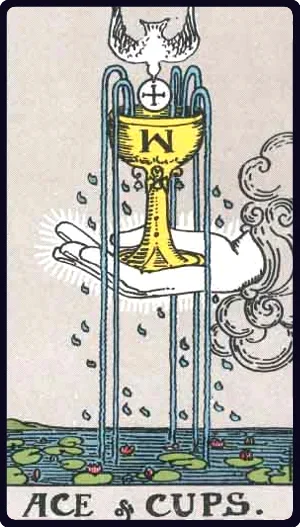
- Ace of Cups · A new feeling after a painful ending
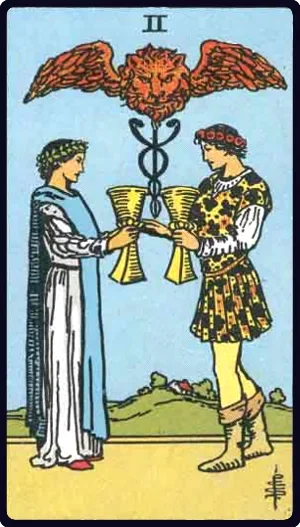
- Two of Cups · A bond destroyed by a painful split
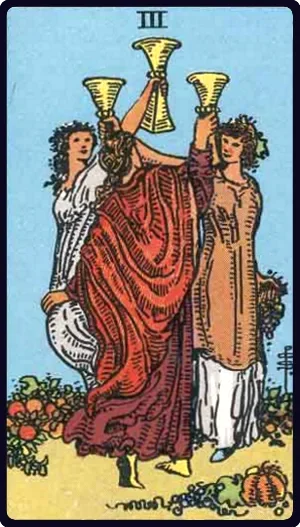
- Three of Cups · Support from loved ones in a hard hour
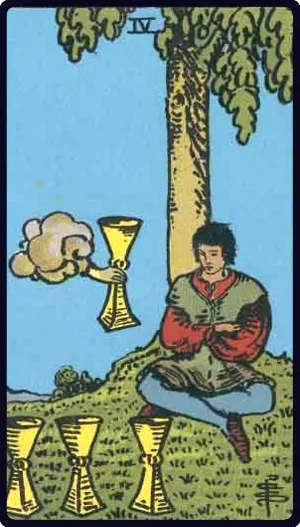
- Four of Cups · Apathy and emptiness after a loss
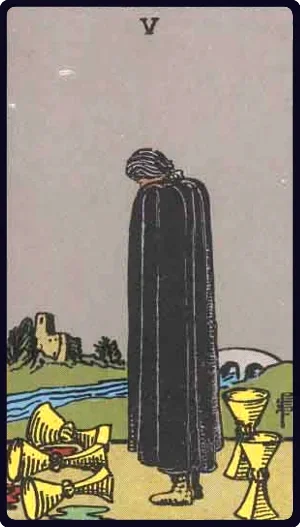
- Five of Cups · Grief over what was lost and regret
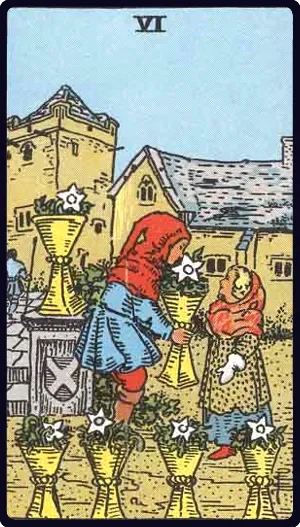
- Six of Cups · Longing for a past that cannot return
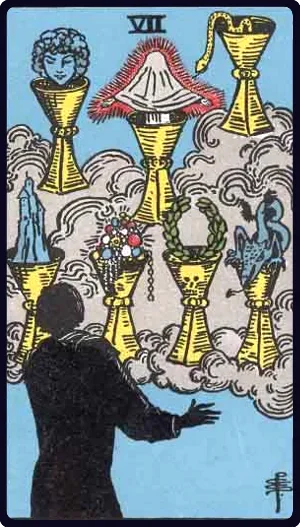
- Seven of Cups · The collapse of illusions and false hopes
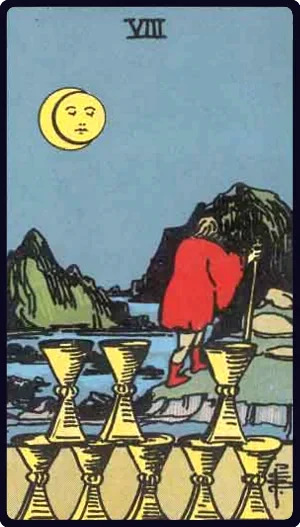
- Eight of Cups · Walking away from a ruined place
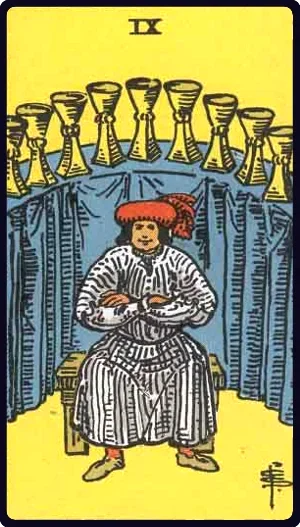
- Nine of Cups · Relief after long suffering
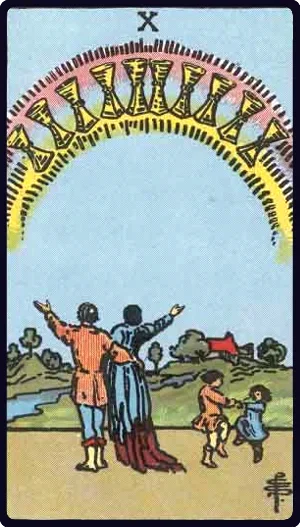
- Ten of Cups · Family helping you through the blow
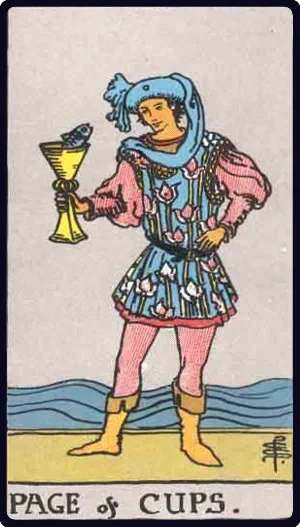
- Page of Cups · A fragile hope amid the pain
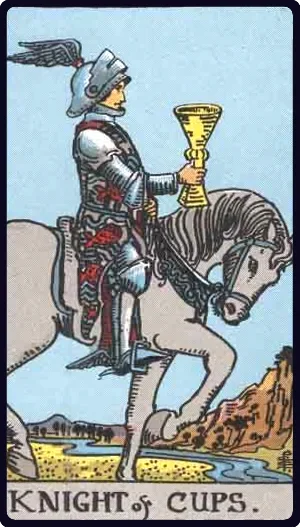
- Knight of Cups · Escaping into fantasy from a hard truth
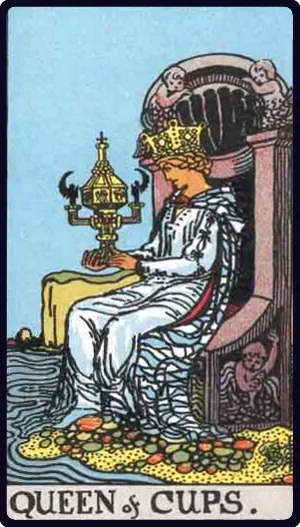
- Queen of Cups · Tears and a long grieving of the loss
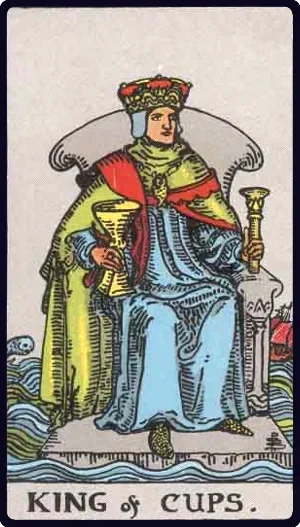
- King of Cups · The calm to accept the ending
Swords
- Ace of Swords · A hard truth that cuts the matter short
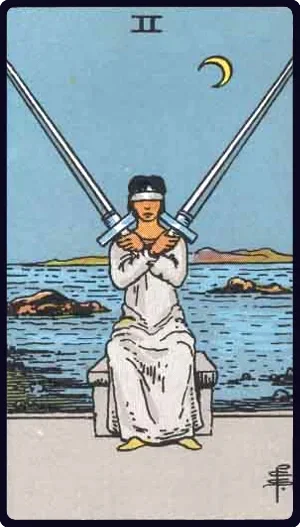
- Two of Swords · Denial of an inevitable ending
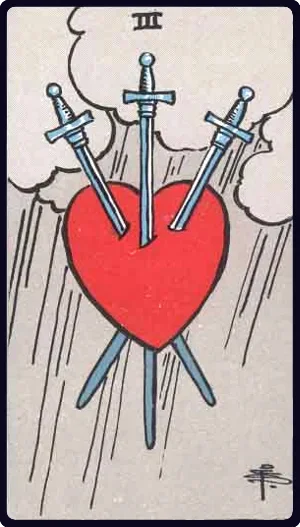
- Three of Swords · Double pain and a deep wound
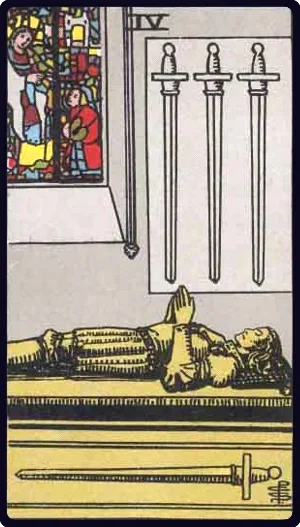
- Four of Swords · A pause after complete exhaustion
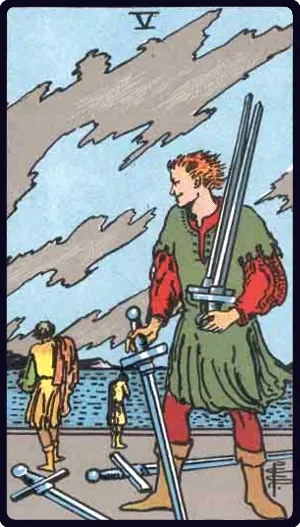
- Five of Swords · Defeat with bitterness and loss
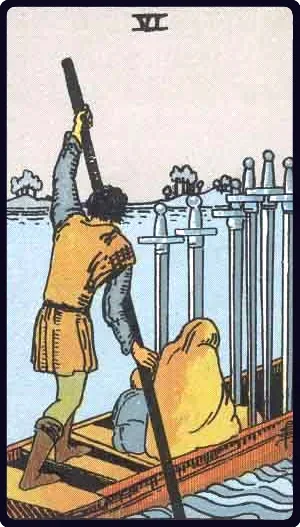
- Six of Swords · Moving from pain toward calm
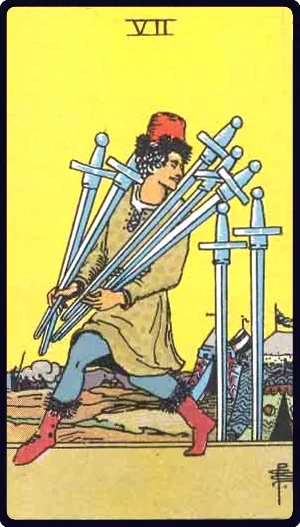
- Seven of Swords · Betrayal that finished the situation
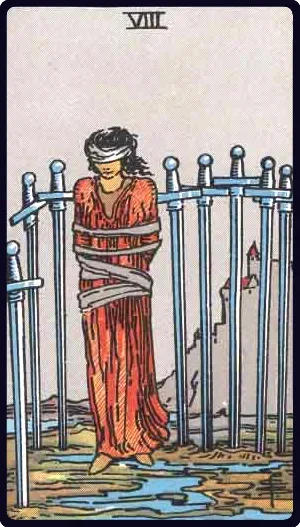
- Eight of Swords · A trap with no apparent way out
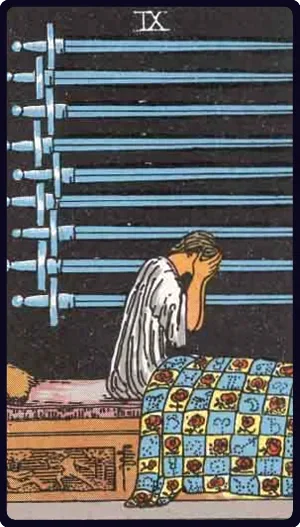
- Nine of Swords · Despair and anxiety at their peak
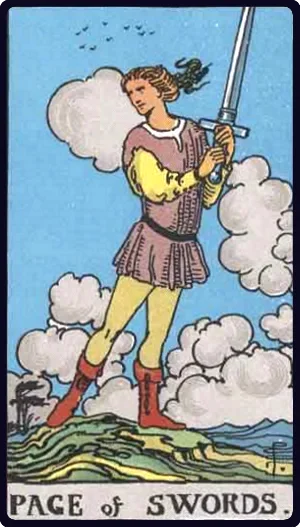
- Page of Swords · Unpleasant news of a collapse
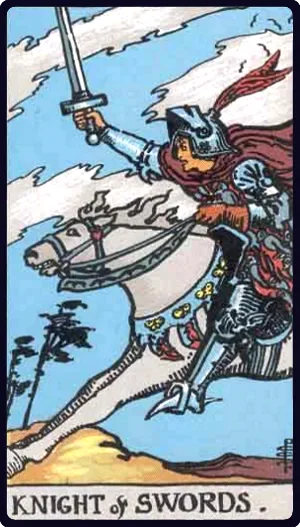
- Knight of Swords · A swift and abrupt finale
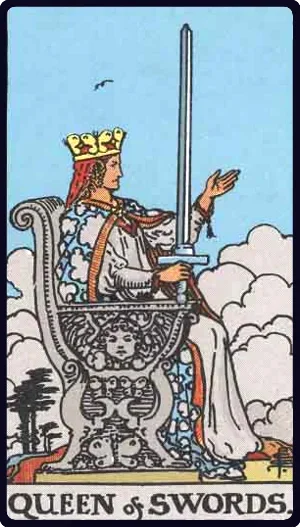
- Queen of Swords · A clear-eyed view of what has ended
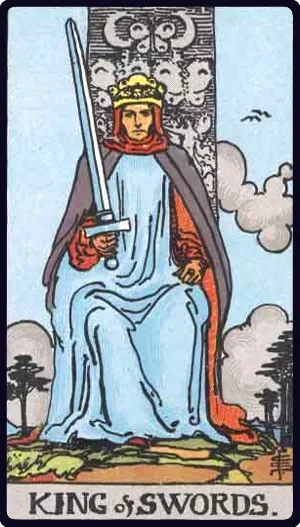
- King of Swords · A cold decision to close the matter
Pentacles
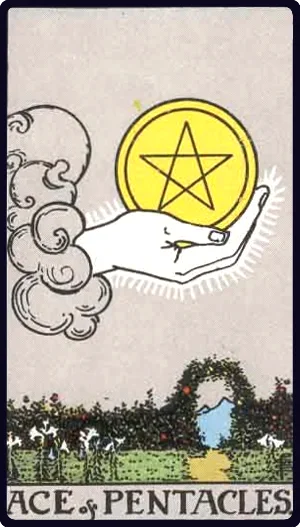
- Ace of Pentacles · A new footing after financial ruin
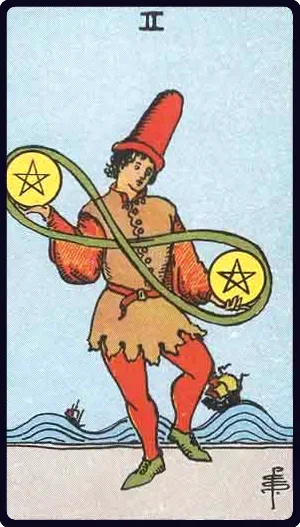
- Two of Pentacles · A loss of balance and broken equilibrium
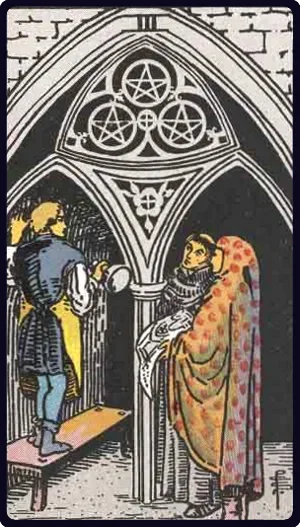
- Three of Pentacles · A shared project falling apart
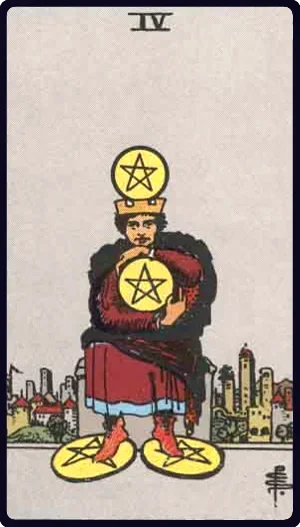
- Four of Pentacles · Losing what you clung to
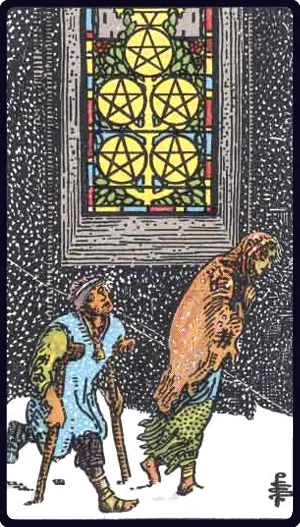
- Five of Pentacles · Hardship and loss after the blow
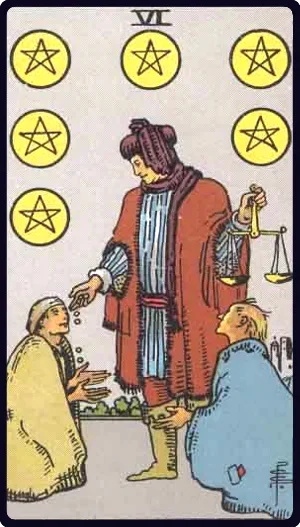
- Six of Pentacles · Help arriving in a difficult hour
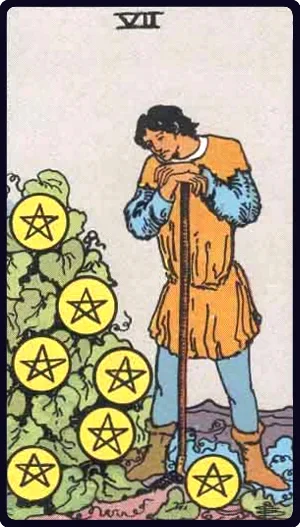
- Seven of Pentacles · Effort that came to nothing
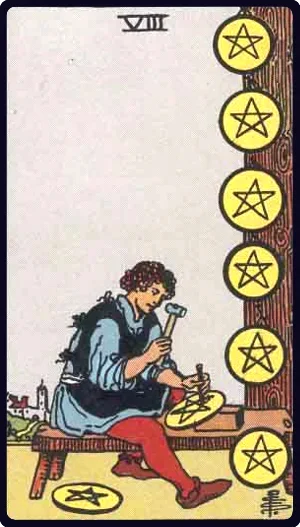
- Eight of Pentacles · The end of a job and a lost position
- Nine of Pentacles · Rebuilding comfort after the collapse
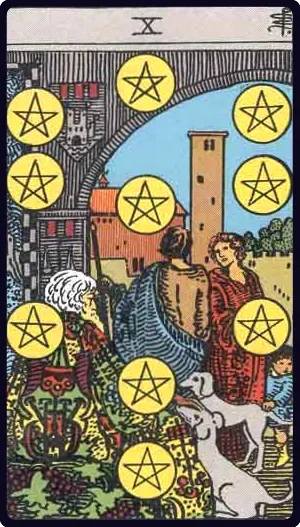
- Ten of Pentacles · Family as support after a loss
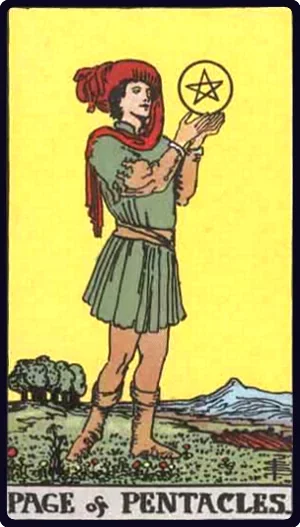
- Page of Pentacles · A failed calculation and a broken plan
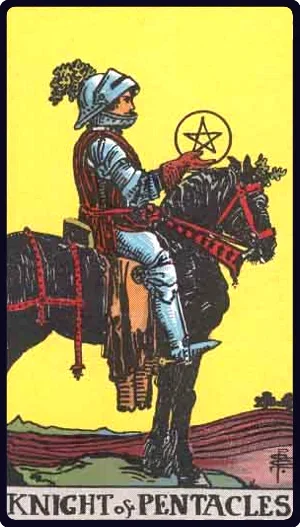
- Knight of Pentacles · A slow climb out of a hard stretch
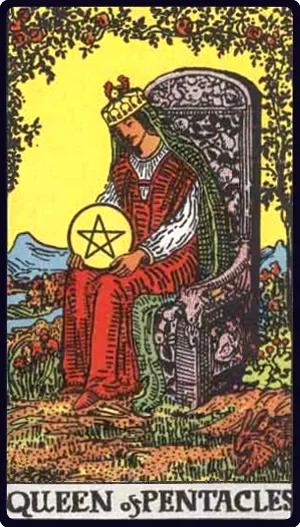
- Queen of Pentacles · Care that helps you back on your feet
- King of Pentacles · A sober assessment of the losses