78 Tarot Card Meanings
Detailed meaning of every Tarot card: upright and reversed, in love, career and health. Card advice and combinations.
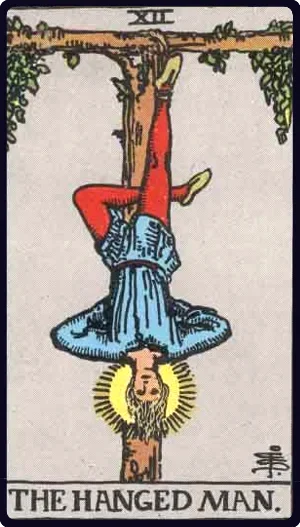
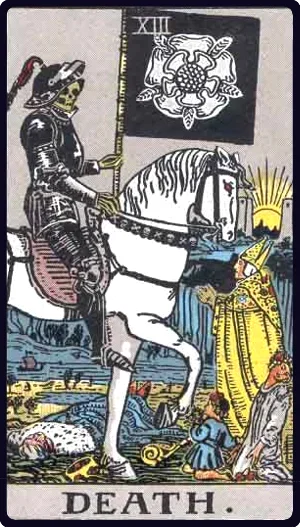
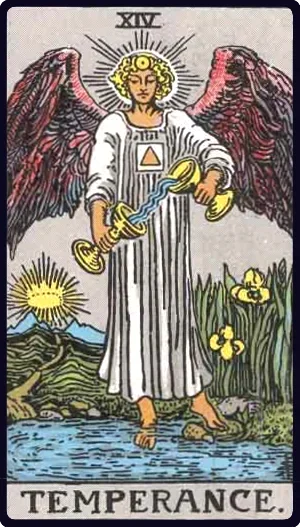
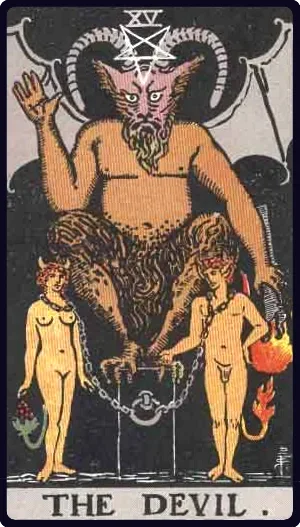
Major Arcana
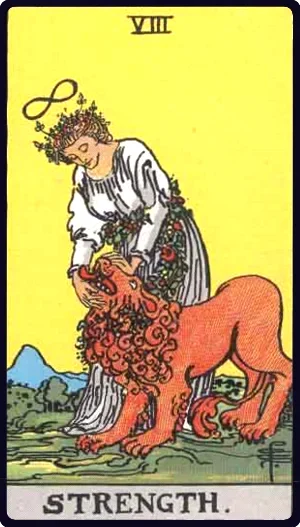
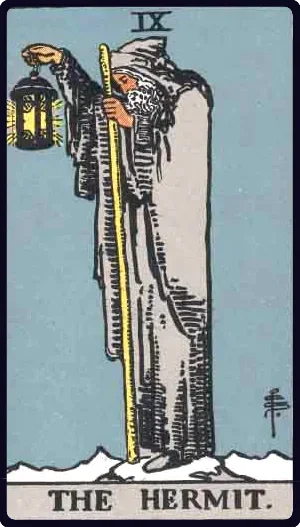
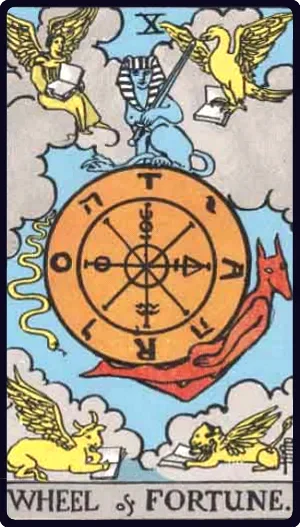
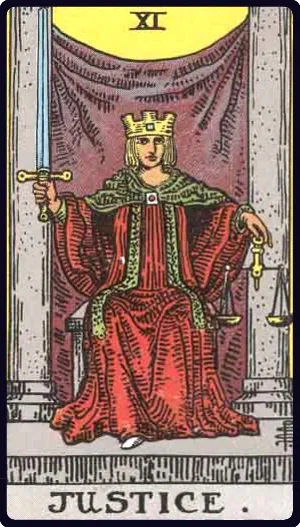
Wands
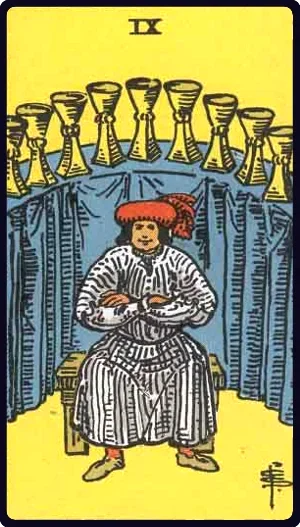
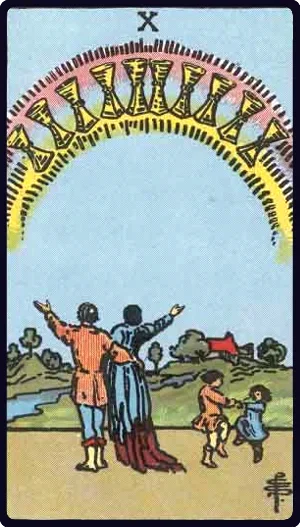
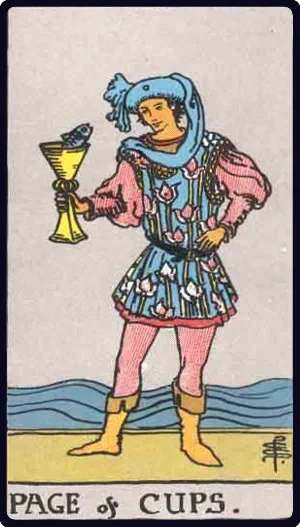
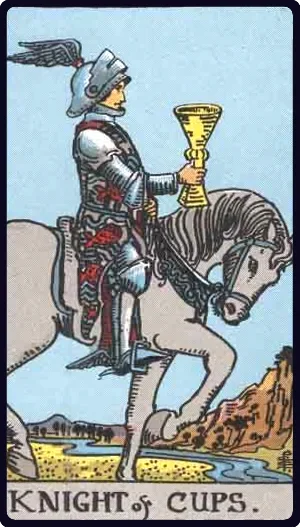
Cups
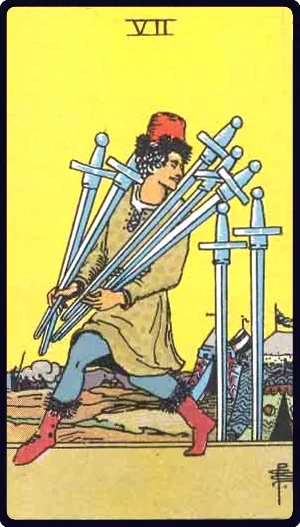
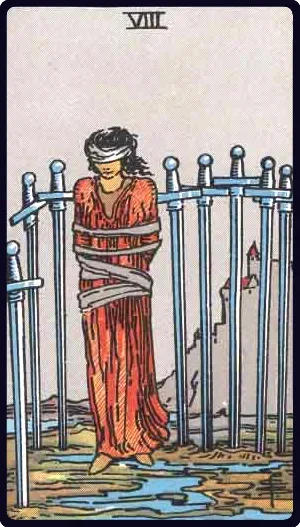
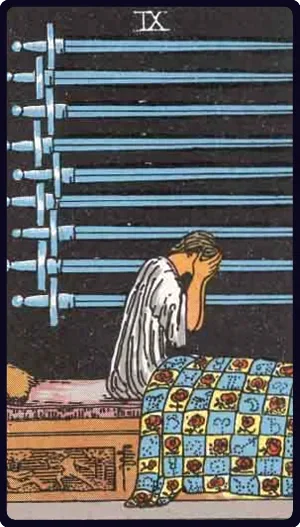
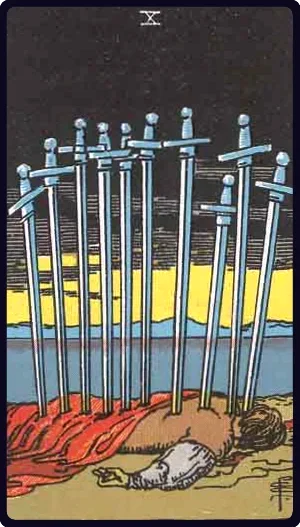
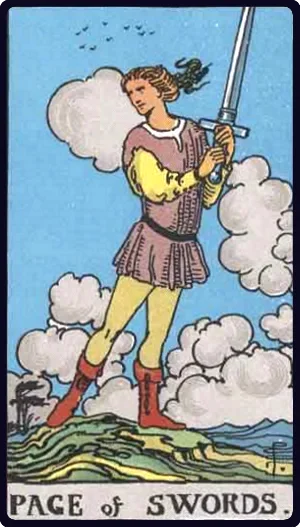
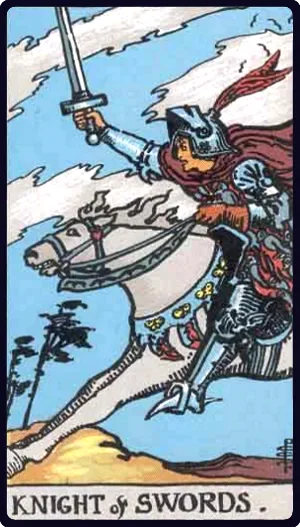
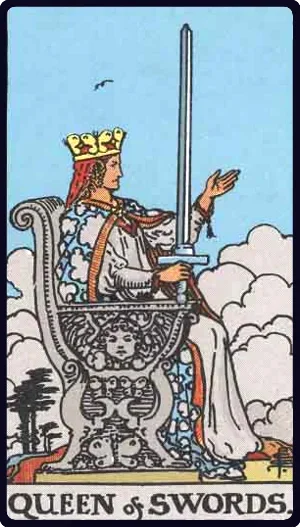
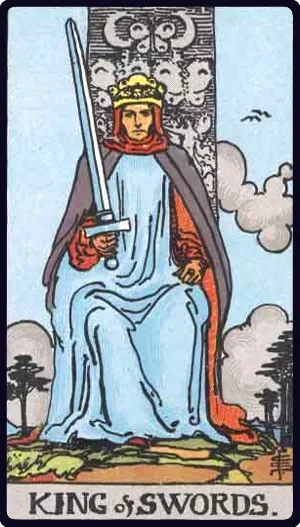
Swords
Pentacles
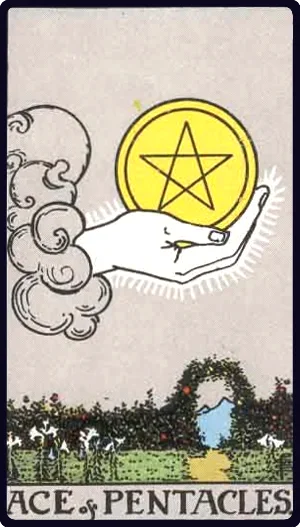
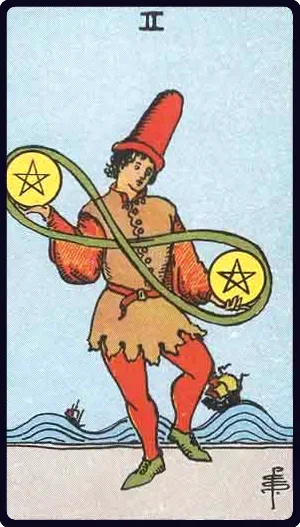
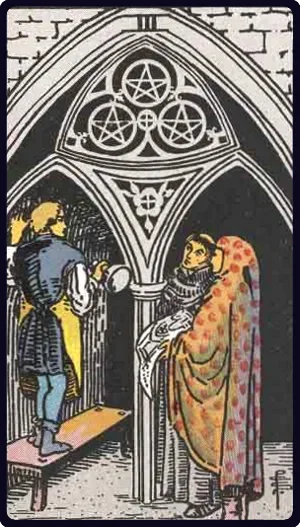
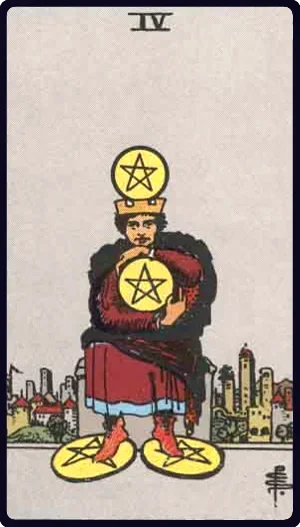
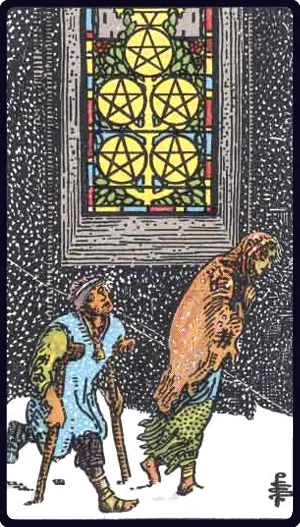
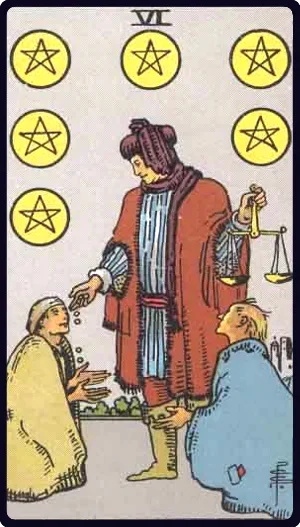
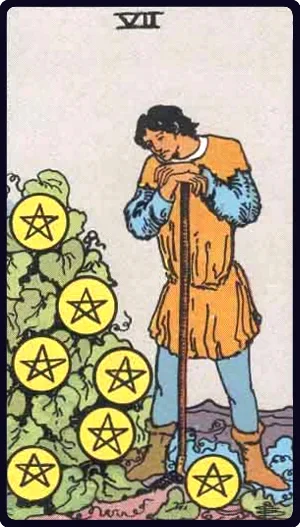
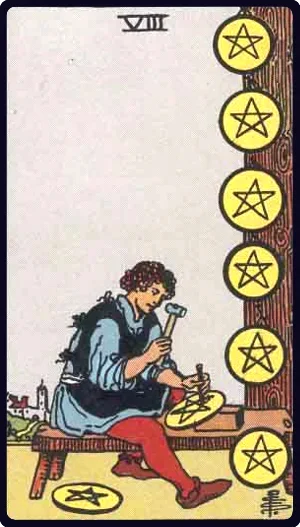
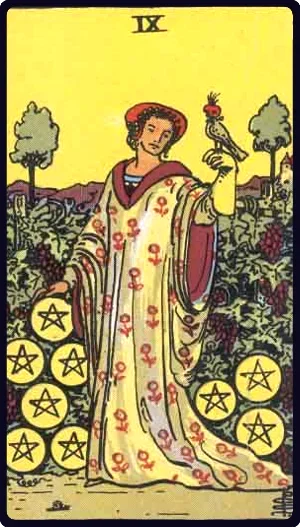
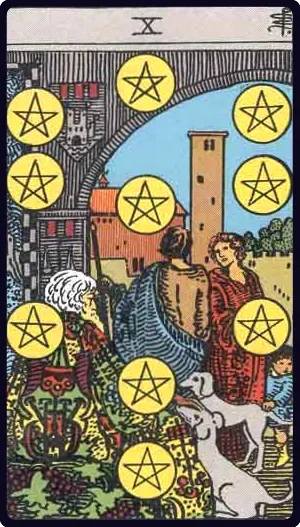
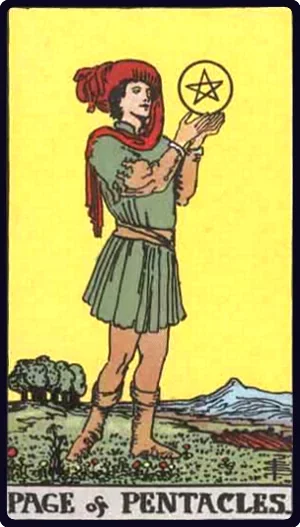
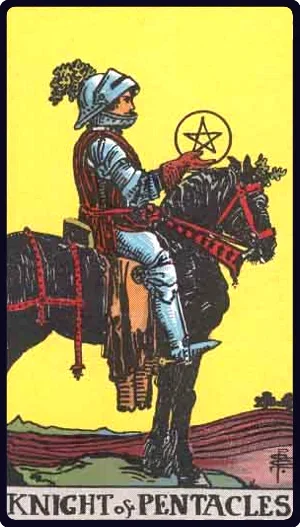
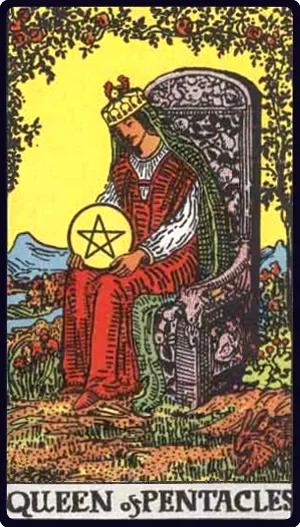
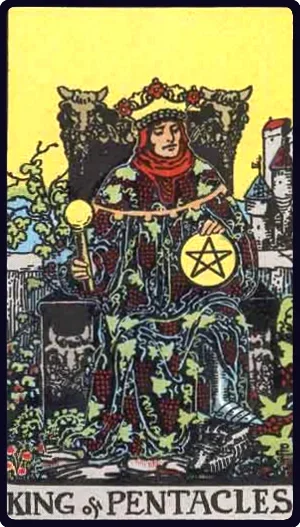
A full tarot deck holds 78 cards, and each one carries a cluster of meanings rather than a single fixed answer. The 22 Major Arcana track the big themes of a life, from new beginnings to closure. The 56 Minor Arcana fill in the texture of ordinary days, your conversations, money worries, small wins, and the people around you. Together they form a visual language you can learn to read.
This page is the entry point to every card meaning on the site. Below you will find how the deck is structured, what upright and reversed positions add to a reading, how the four suits differ, and how two cards next to each other change each other. Treat it as a map. When you want the detail on a specific card, follow the links to its own page.
A reading works best as a mirror, not a crystal ball. The cards give you a frame for thinking through a situation you already half understand. You bring the question and the context, the cards offer angles you might have missed. Read this guide once to get your bearings, then come back to it whenever a spread leaves you stuck.
What Tarot Is and a Short History of the Deck
Tarot is a deck of 78 illustrated cards used for reflection, decision-making, and storytelling about a situation. It began in fifteenth-century northern Italy as a card game called tarocchi, painted by hand for wealthy families. For its first three hundred years it was a game, not a tool for insight.
The shift toward divination came later, in eighteenth-century France, when occultists started attaching symbolic and esoteric meanings to the images. The version most people picture today is younger still. The Rider-Waite-Smith deck appeared in London in 1909, drawn by the artist Pamela Colman Smith from notes by Arthur Edward Waite, both members of the Hermetic Order of the Golden Dawn.
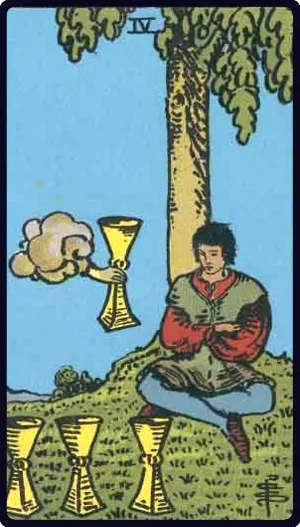
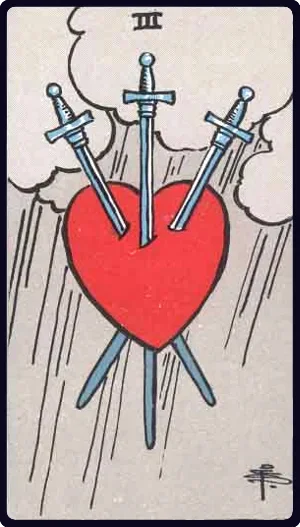
That deck changed how tarot is read. Earlier decks showed the numbered suit cards as plain arrangements of symbols, four cups, seven swords, much like an ordinary playing-card deck. Smith illustrated every card with a small scene you can interpret on sight. The Three of Swords shows a heart pierced by three blades. You feel the meaning before you look it up. Almost every modern deck and nearly every guide on this site follows that Rider-Waite-Smith tradition, so the meanings here will match the cards in most decks you pick up.
The Structure of the Deck: Major and Minor Arcana
The deck splits into two parts, and knowing which part a card belongs to is the first thing you read. The word arcana means secrets or mysteries, the Major being the greater mysteries and the Minor the lesser ones.
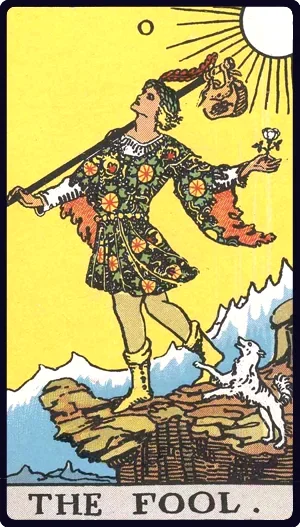
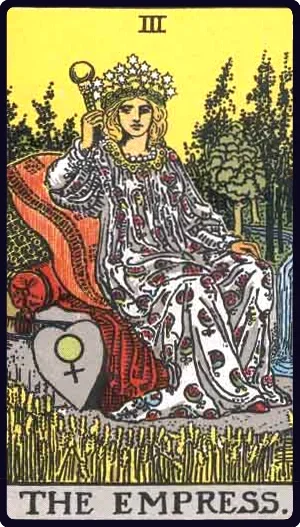
The Major Arcana holds 22 cards numbered 0 to 21, from The Fool to The World. These deal with the large forces and turning points of a life: love, ambition, loss, change, fulfillment. When several Major Arcana turn up in one spread, the question usually touches something significant rather than a passing mood.
The Minor Arcana holds the remaining 56 cards, split into four suits of 14. Each suit runs from Ace through Ten, then four court cards: Page, Knight, Queen, and King. These cards speak to daily life, the practical and emotional details of work, relationships, and money.
- Major Arcana · 22 cards, life's big themes and milestones
- Minor Arcana · 56 cards, everyday situations and people
- Numbered cards · Ace to Ten in each suit, the flow of a situation
- Court cards · Page, Knight, Queen, King, often people or approaches
A quick way to gauge a spread: count the Majors. A reading dominated by them points to forces larger than the querent. A reading full of Minors says the matter is workaday and within your hands to shape.
| Major Arcana | Minor Arcana | |
|---|---|---|
| Number of cards | 22 | 56 |
| What they speak about | Life's big themes and turning points | Everyday situations and the people in them |
| Weight in a reading | Forces larger than the querent | Practical matters within your control |
Tip. While you learn, read every card upright. Reversals add nuance once the upright meanings feel automatic, and there is no rush to take them on.
How to Read Tarot Cards (Upright and Reversed, Positions in a Spread)
Reading a card means combining three things: the card's own meaning, whether it sits upright or reversed, and the position it occupies in the spread. None of these works alone. The same card means different things in a "past" slot than in an "advice" slot.
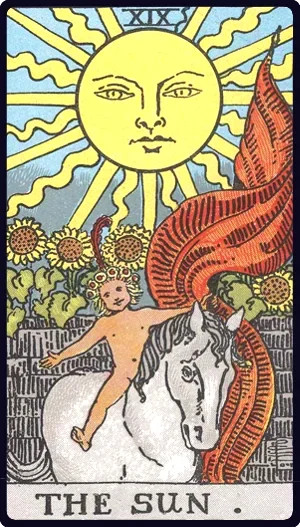
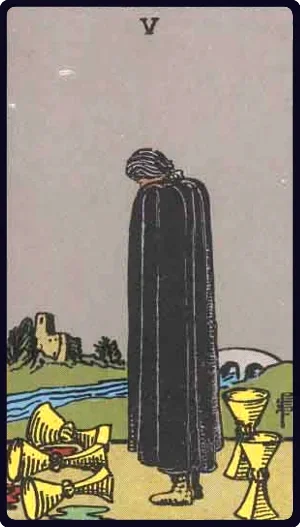
Start with the upright meaning, the card's core message. The Sun is warmth, success, and clarity. The Five of Cups is grief over what was lost. Beginners do well to learn upright meanings first and add reversals only once the basics feel solid. There is no shame in reading every card upright while you build confidence.
Reversed cards, the ones that land upside down, shift the meaning rather than cancel it. Readers handle them in a few common ways, and you can pick whichever fits the reading:
- Opposite · The energy flips. Upright Devil is bondage, reversed Devil is breaking free.
- Blocked or delayed · The upright meaning is stalled or not yet arrived.
- Weaker or stronger · The same theme, dialed down or turned up.
- Inward · An outer event becomes an inner experience, felt rather than acted on.
Position gives the card its job. In a past-present-future line, the first card sets the backstory, the middle names the current pressure, the last suggests where things are heading. A card in an "obstacle" position reads as a warning even if its upright meaning is sunny. Read the slot first, then the card, then how the two meet.
One more habit worth building early: read the whole spread before any single card. Notice the overall mood, the balance of suits, the run of numbers. The cards talk to each other, and the story sits in the pattern, not in one image.
The Four Suits of the Minor Arcana (Wands, Cups, Swords, Pentacles)
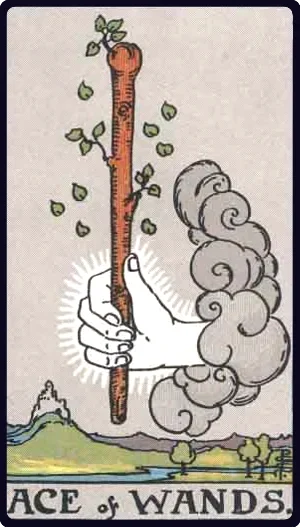
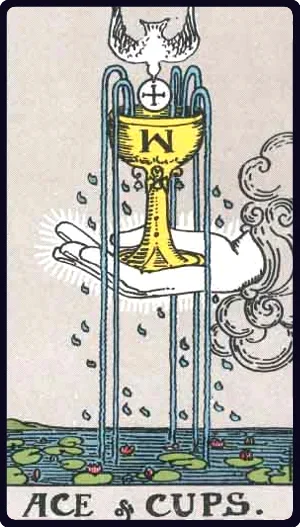
Each suit of the Minor Arcana maps to an element and a slice of life. Once you know the four flavors, you can read a card you have never seen by combining its suit with its number. An Ace is a beginning, a Ten is the suit taken to its limit, so an Ace of Cups is a new feeling and a Ten of Pentacles is material life at its fullest.
| Suit | Element | Life Area |
|---|---|---|
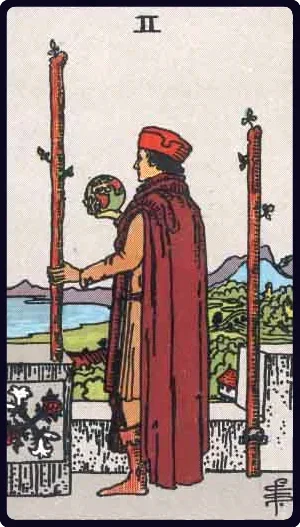
| Wands | Fire | Drive, passion, creativity, ambition, the spark to start something |
| Cups | Water | Emotions, love, intuition, relationships, the inner life |
| Swords | Air | Thoughts, truth, conflict, communication, hard decisions |
| Pentacles | Earth | Money, work, health, home, the physical and practical |
Suits also color the reading by sheer weight. A spread heavy with Cups is about feelings, whatever the question asked. A spread thick with Swords points to a mental knot, an argument, or a choice that has the querent up at night. Pentacles drag the attention back to bills, jobs, and the body. Wands push toward action and projects.
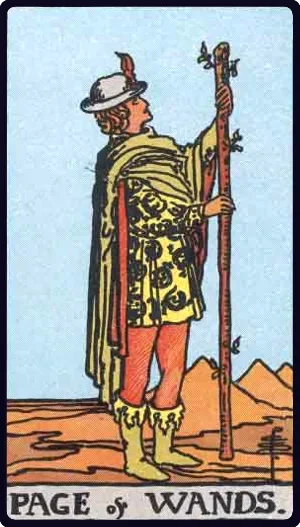
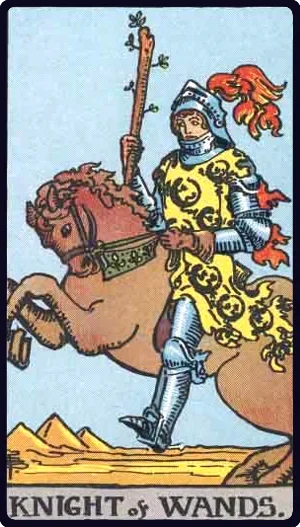
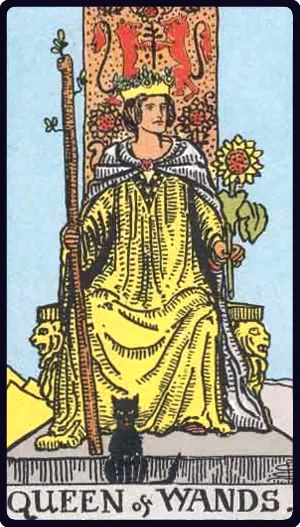
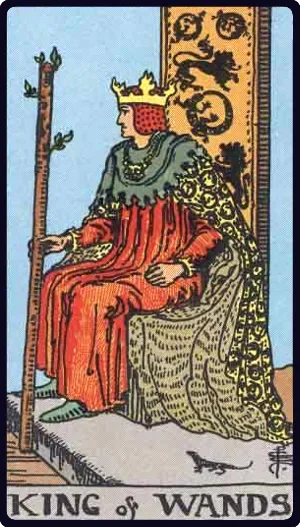
The court cards deserve a note of their own. A Page often signals a message, a student, or the early stage of something. A Knight is movement and a person who acts, sometimes too fast. A Queen embodies the suit's energy with mastery and care, a King with authority and control. These four can stand for actual people in your life, for parts of yourself, or for the manner in which a situation is unfolding. Context decides which.
The Major Arcana and the Fool's Journey
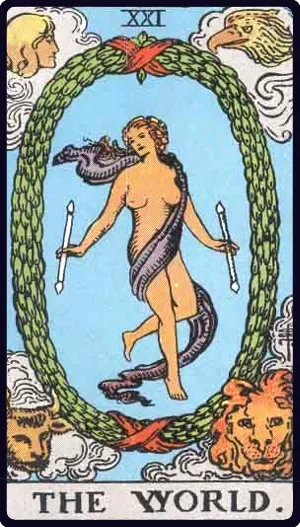
The 22 Major Arcana are often read as a single story called the Fool's Journey. The Fool, numbered 0, is the soul setting out, open and untested. Each card that follows is a stage of growing up, and the sequence ends at The World, card 21, with the journey complete and the cycle ready to begin again.
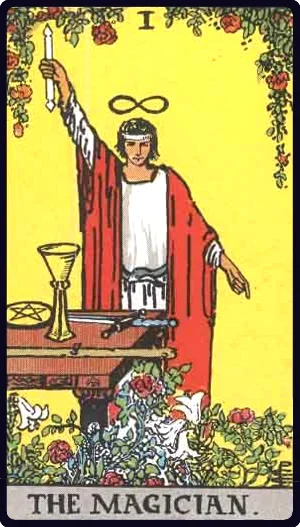
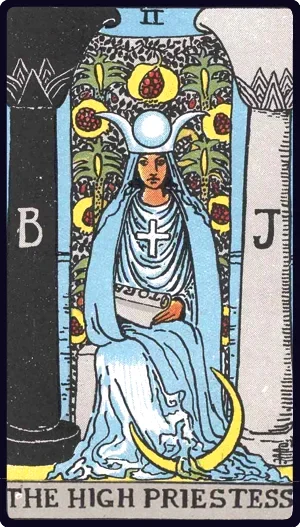
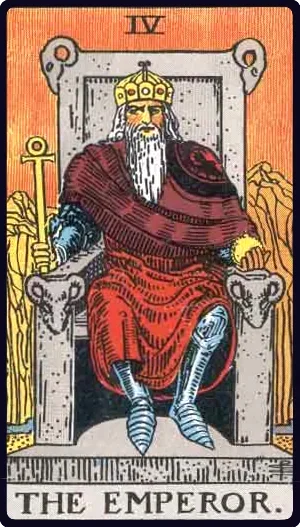
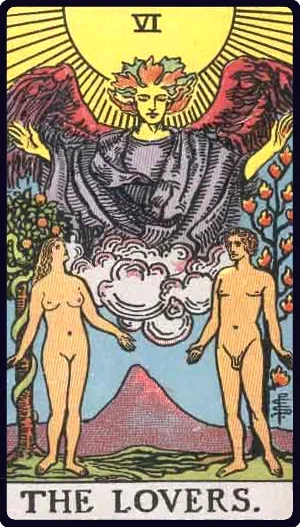
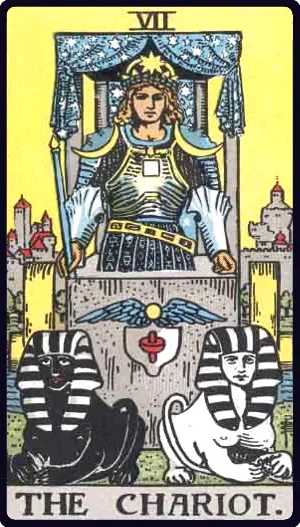
The story moves in recognizable beats. The Fool first meets The Magician and the High Priestess, the will to act and the inner knowing to balance it. He learns about love and choice with The Lovers, about discipline with the Chariot, about authority through the Emperor. These early cards are lessons in building a self.
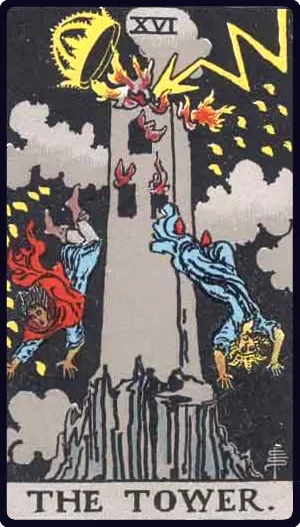
The middle of the journey turns harder. Cards like Death, the Tower, and the Devil mark endings, shocks, and the traps we set for ourselves. Death rarely means a literal death. It points to a chapter closing so another can open, the kind of change you cannot undo and should not try to. These are the cards people fear in a reading, and almost always they describe transformation rather than disaster.
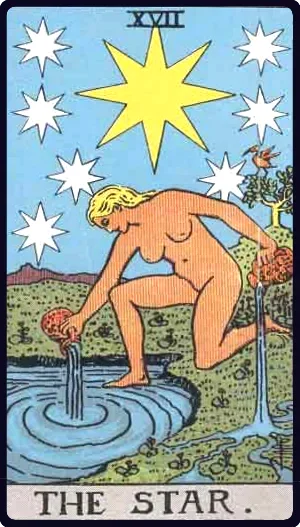
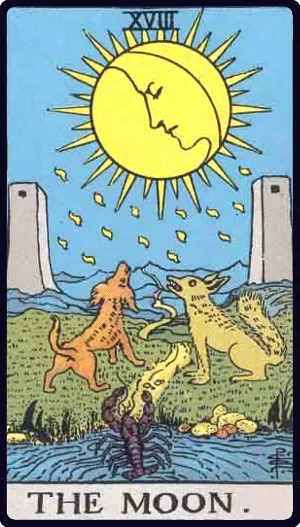
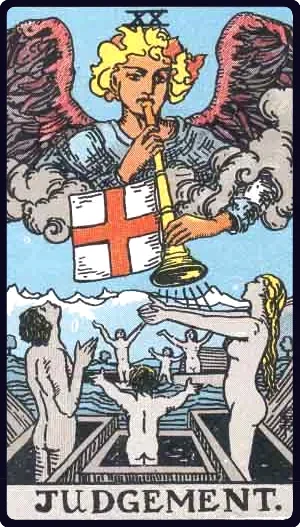
The final stretch moves toward light. The Moon carries confusion and illusion, the fear you cannot quite name. The Sun follows with clarity, warmth, and plain good news. Then come Judgement and The World, reckoning and arrival. Reading the Majors as a journey gives you a feel for where any single card sits. A card near the start speaks of fresh starts, a card near the end of culmination and closure.
Tarot Card Combinations (How Pairs Work, Examples)
A single card gives you a theme. Two cards together give you a sentence. Learning to read combinations matters more than memorizing each card in isolation, because a real spread is always cards in conversation. You do not need to learn the thousands of possible pairs. You need a method for blending any two.
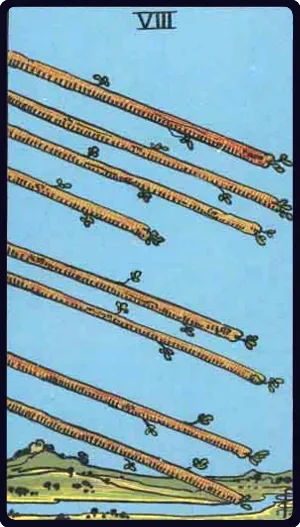
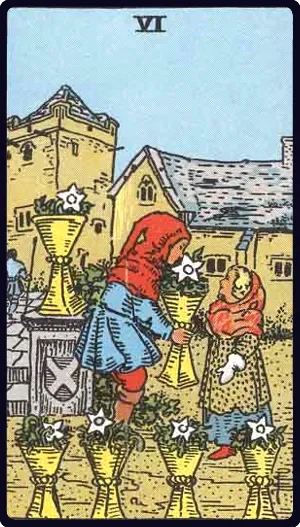
The simplest method is keywords. Pick a short phrase for each card, then join them. The Eight of Wands means swift movement or travel. The Six of Cups means childhood or old friends. Side by side they read as a trip to see people from your past. The High Priestess means intuition, the Eight of Pentacles means practice and skill, so the pair suggests training your own instincts. Try a few aloud and the logic comes quickly.
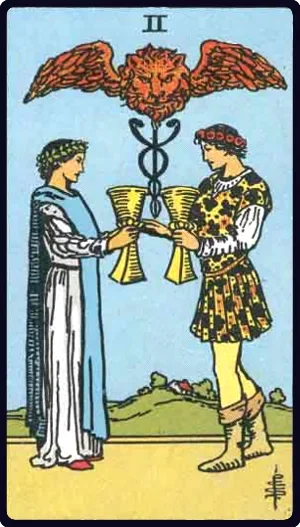
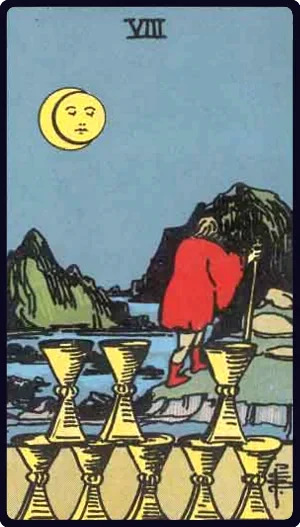
Order steers the meaning. In a left-to-right line the first card is usually the cause or the starting point and the second is what follows. The Two of Cups, a budding relationship, followed by the Eight of Cups, walking away, tells of a promising start that one person decides to leave. Reverse the order and you get someone leaving an old bond and finding new connection. Same two cards, different story, set by sequence.
Elements add another layer. Same-suit pairs amplify each other, two Swords sharpen a mental theme to its edge. Fire and Water, or Air and Earth, pull against each other and weaken the pair, a sign of friction or things working at cross purposes. The other mixes sit on friendly terms. You can read a whole spread this way, asking whether neighboring cards support, oppose, or simply color one another.
A few combinations carry a strong, recognizable charge:
- The Moon + The Sun · Confusion giving way to clarity, truth after a fog.
- Death + Ace of Cups · An ending that becomes an emotional rebirth.
- The Lovers + Two of Cups · A genuine, mutual connection worth committing to.
- The Tower + Ten of Swords · A sudden collapse and the painful bottom of it.
When you hit a pairing that stumps you, fall back on keywords and order. State each card's theme in one phrase, decide which comes first, and read the two as a single line. The interpretation will not always be neat, and that is fine. The friction between two cards is often the most useful thing in the spread.
Popular Tarot Spreads (One Card, Three Cards, Celtic Cross, Love)
A spread is the layout you deal the cards into, where each position asks a defined question. The same card means one thing in a "challenge" slot and another in an "outcome" slot, so the spread shapes the whole reading. Start small. A clear three-card spread beats a sprawling ten-card one you cannot hold in your head.
- One card · A single draw for a daily focus, a quick check, or a yes-no leaning. The fastest way to build the habit of reading.
- Three cards · The workhorse spread. Past, present, future is the classic, but you can set the slots to anything, such as situation, action, outcome, or mind, body, spirit.
- Celtic Cross · Ten cards covering the heart of the matter, the obstacle, the past, the likely future, hopes and fears, and the final outcome. Rich but demanding, better suited to a question you have lived with for a while.
- Love spread · A themed layout, often three to five cards, reading you, the other person, and where the connection stands.
Begin with the one-card draw and the three-card line until both feel natural. They cover most questions, and a tight reading of three cards teaches you more than a muddled reading of ten. The Celtic Cross rewards patience once you can blend cards and weigh positions without checking your notes at every step.
Whatever the layout, frame a clear question before you shuffle. "What should I keep in mind about this job offer" gives the cards something to answer. "What is my future" gives them nothing to grip. An open, specific question is half of a good reading.
Tip. Open your question with "what" or "how" rather than "will" or "when". A question that invites a description draws a richer reading than one that asks for a yes or no.
Getting Started: How to Use This Guide
The fastest way to learn is to use the deck, not just read about it. Pull one card each morning, note its name, look up the upright meaning, and watch how the day rhymes with it. A week of single cards teaches more than an afternoon of memorizing lists.
When you want depth on a card, open its page from the Major Arcana or the suit indexes above. Each card page gives the upright and reversed meanings, the readings for love, work, money, and health, plus how that card pairs with every other. Use those combination notes when a spread puts two cards together and you cannot see the link.
Work from the top down. Learn the four suits and the Major Arcana arc first, since those frames let you read cards you have not memorized. Add reversals once upright meanings feel automatic. Keep a small notebook of your spreads and what actually happened. Your own records will teach you the cards better than any single guide, this one included.
Everyone Reads at Astralika
Enough theory: time to ask the Tarot a question of your own. There are 271 readings on love, work, health and more.