36 Playing Card Meanings
The meaning of every playing card in cartomancy: love, relationships, work and daily life, with combinations and spreads.
Hearts
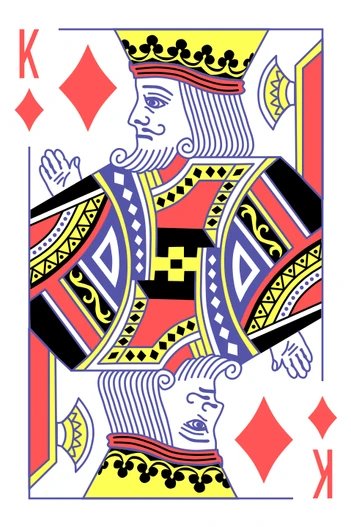
Diamonds
Clubs
Spades
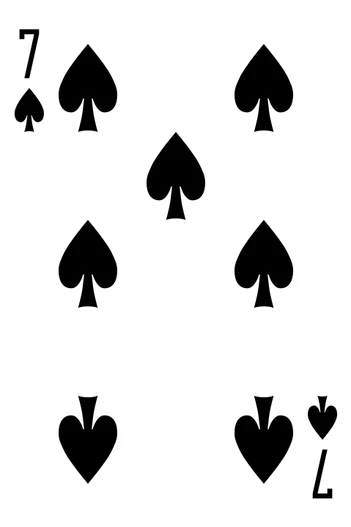
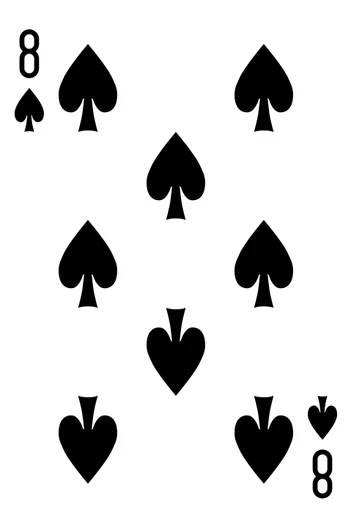
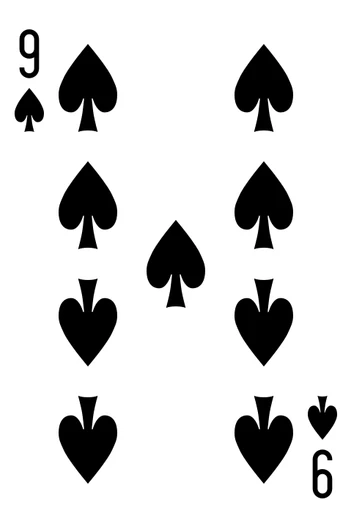
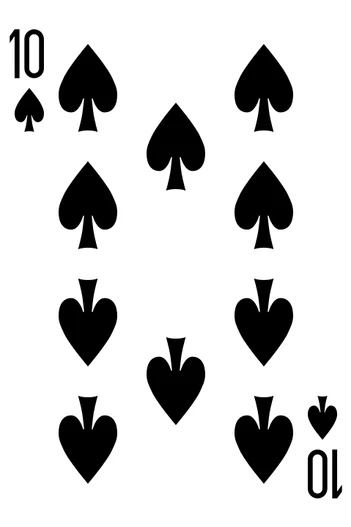
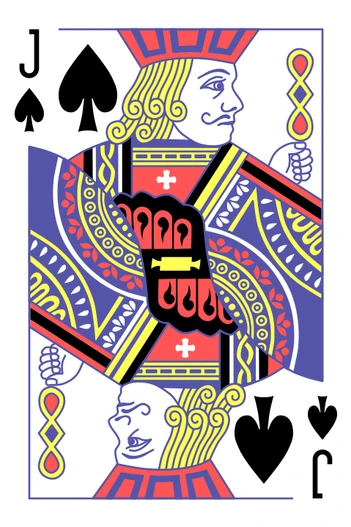
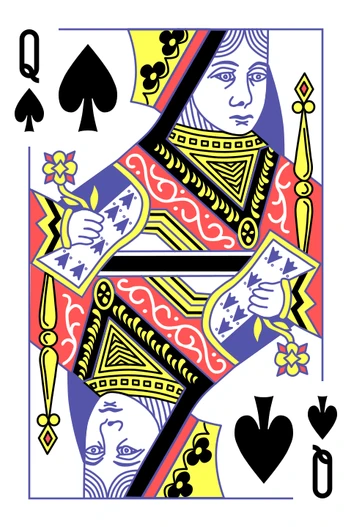
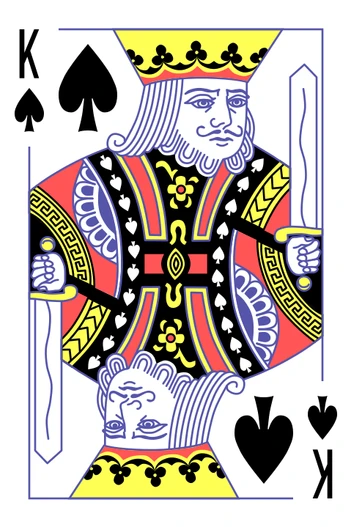
Cartomancy is the practice of reading ordinary playing cards for insight and reflection. You take a familiar deck, ask a clear question, lay out a few cards, and read the picture they form together. There are no special illustrations to memorize and no twenty-two trump cards to study. Just four suits, a handful of ranks, and the relationships between them.
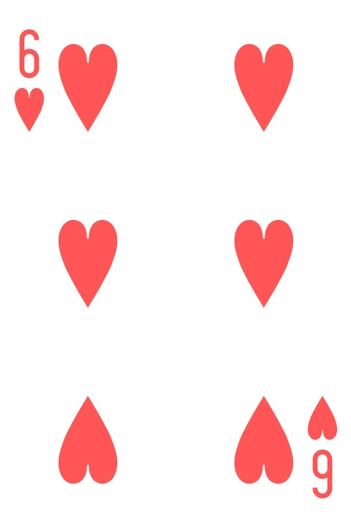
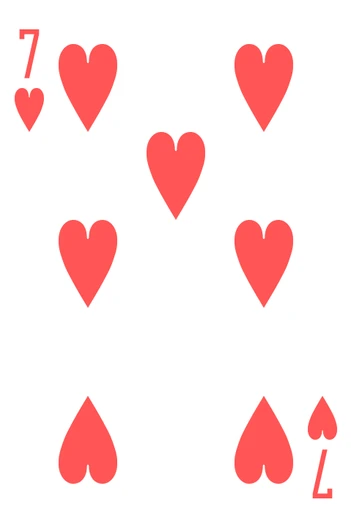
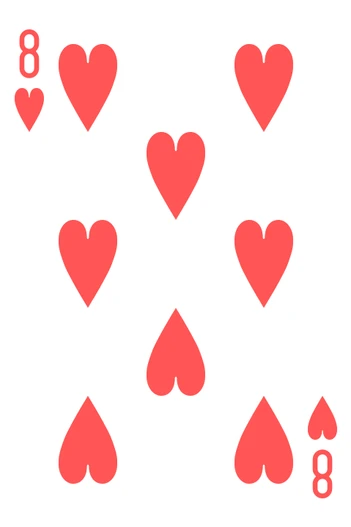
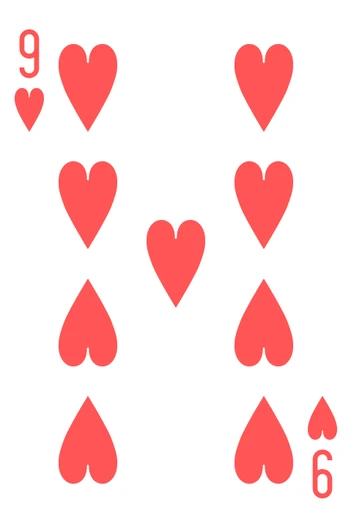
This guide works with a 36-card deck: hearts, diamonds, clubs and spades, each running from the six up through seven, eight, nine, ten, jack, queen, king and ace. The twos through fives are removed. That trimmed deck keeps the cards that carry the strongest reading value and drops the filler, which is why it became a standard tool across Russia and continental Europe. Everything below applies directly to those 36 cards.
You will find the suit overviews, the logic of court cards, the way pairs and triplets change a reading, and a few spreads you can use tonight. Treat the cards as a mirror for a situation you already half understand. They sharpen the question more than they predict the answer.
What Cartomancy Is and Its History
Cartomancy means divination with playing cards, and it is older than tarot as a fortune-telling tool. Playing cards arrived in Europe in the late fourteenth century, and people were reading fortunes with them long before purpose-made tarot decks appeared. For most of that history the cards used were the everyday gaming deck, not a special pack.
The 36-card version grew out of card games that used a stripped deck. Removing the low pips left a compact set that was faster to shuffle and easier to read, and it spread through the regions where those games were popular. A related 32-card pack, the piquet deck used by the French school, follows the same idea with the sixes also removed. Both traditions share one principle. Fewer cards mean each one carries more weight in the layout.
Folk readers summed up the suits in a single line that still holds up. With hearts we love, with diamonds we trade, with clubs we labor, and with spades we cut. That plain-spoken practicality is the heart of the tradition. Cartomancy grew in kitchens and parlors, not in academies, and it kept the down-to-earth tone of the people who used it. The meanings stayed close to real life: a letter arriving, a guest at the door, money owed, an illness passing.
How Cartomancy Differs From Tarot
The most obvious difference is the deck. A tarot pack has 78 cards, including 22 Major Arcana and four court ranks per suit. The 36-card cartomancy deck has no Major Arcana and three court cards per suit instead of four. There is no Page and no separate trump sequence, so a reading rests entirely on suit, rank and position.
Tarot tends toward archetype and layered symbolism. A single card like the Tower can open a long conversation about upheaval, ego and sudden change. Cartomancy answers more plainly. The same idea in cards might show up as the ace of spades next to the eight of spades, read directly as a hard ending followed by worry. Readers often describe the difference this way: tarot reflects, cartomancy reports.
That bluntness is the appeal for many people. If you want a quick read on whether a meeting will go well or a message is coming, the cards give a clear-cut answer rather than an essay. The trade-off is depth. Cartomancy rewards combination reading, where the meaning lives in how cards sit next to each other, more than in any one card's standalone definition. You will get the most from this deck by reading the cards as a sentence, not as a list of words.
| Playing Cards | Tarot |
|---|---|
| 36 cards | 78 cards |
| Reports plainly on everyday matters | Reflects on archetype and layered symbolism |
| Easier for beginners, fewer cards to learn | Steeper learning curve, more symbolism |
The Four Suits and Their Meanings (Hearts, Diamonds, Clubs, Spades)
Suit gives a card its life area. Before you ever look at rank, the suit tells you whether the matter is about feelings, money, work or conflict. Each suit also maps onto a tarot suit and a classical element, which helps if you are coming from a tarot background.
| Suit | Tarot Equivalent | Life Area |
|---|---|---|
| Hearts | Cups (water) | Love, family, friendship and the home |
| Diamonds | Pentacles (earth) | Money, business, news and material life |
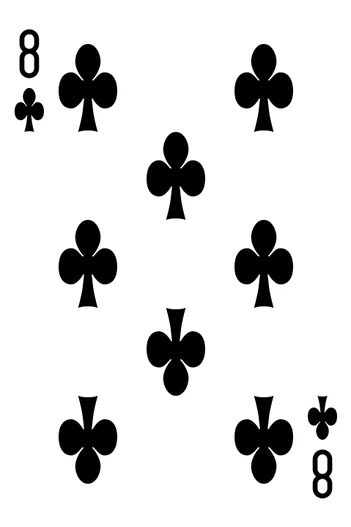
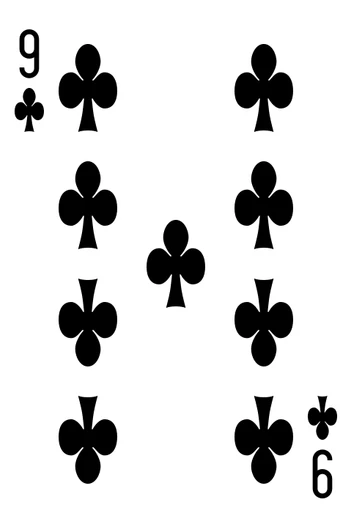
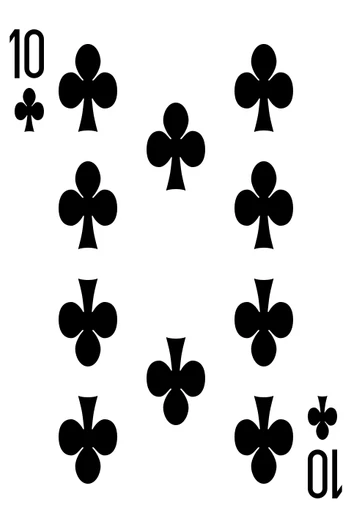
| Clubs | Wands (fire) | Work, effort, ambition and social activity |
| Spades | Swords (air) | Conflict, loss, endings and difficult truths |
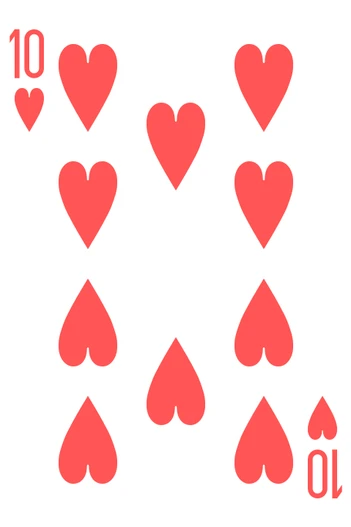
Hearts cover relationships, emotional well-being and the people closest to you, so a spread heavy in hearts is a spread about the heart. Diamonds carry the idea of communication, a letter or a piece of information arriving. Many readers count clubs as the most favorable suit, the cards of growth and reward through action. A run of spades is a warning to slow down and look at what is going wrong, not a verdict that nothing can be fixed.
Tip. Glance at the balance of red versus black before you read any single card. A spread leaning red (hearts and diamonds) usually points to favorable, people-and-money matters, while a spread leaning black (clubs and spades) flags effort, friction or warning.
Within each suit, the higher you climb in rank, the more force the card carries. The ace is the suit at full strength and usually marks a beginning. The ace of hearts is new love or a happy home. The ace of spades is the sharpest card in the deck, a clean break or a major turning point. Tens amplify whatever the suit stands for, while the lower pips soften it. A six of hearts reads as warmth and reconciliation on a small scale, the suit at its gentlest.
How to Read Playing Cards (Court Cards as People, Building a Spread)
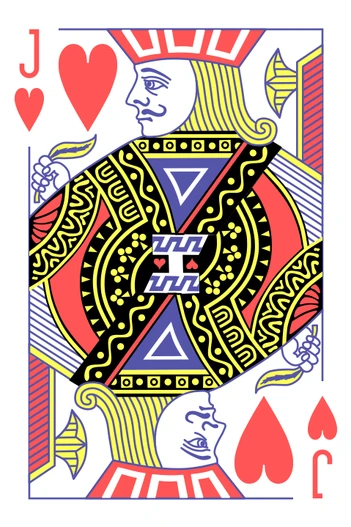
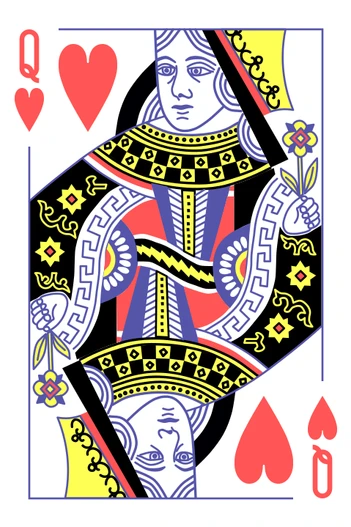
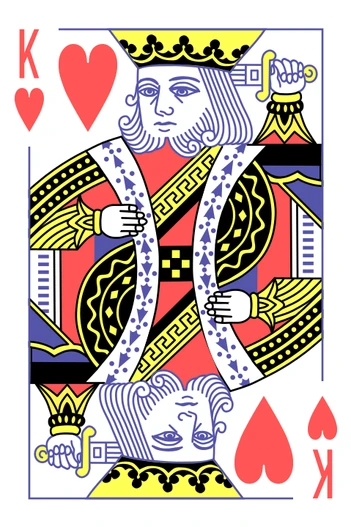
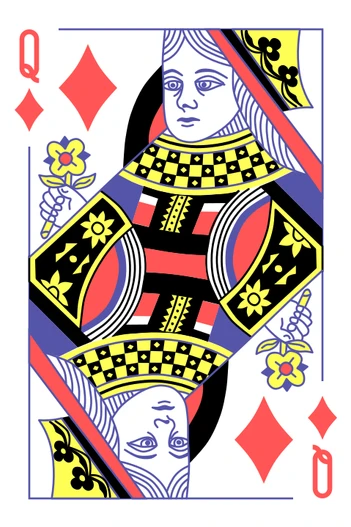
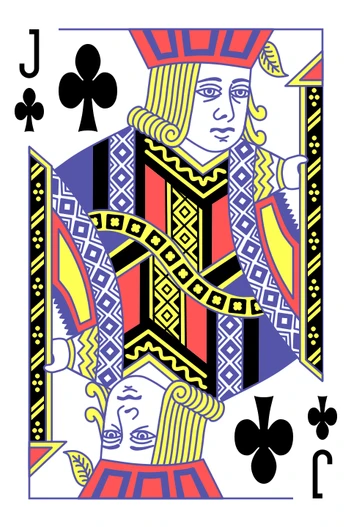
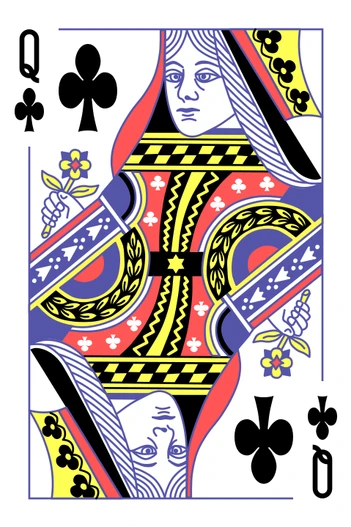
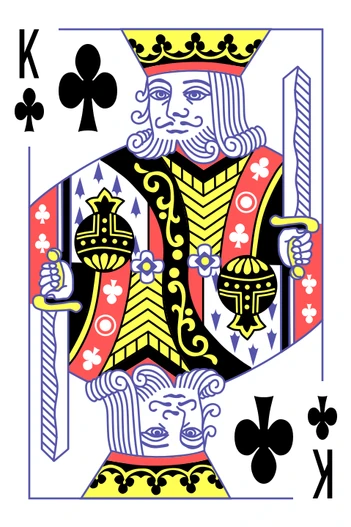
The court cards are king, queen and jack, and most of the time they stand for people. Kings are mature men or figures of authority. Queens are mature women or nurturing, influential figures. Jacks are younger people of either gender, or sometimes a message rather than a person. The suit colors the personality. A king of hearts is warm and family-minded, while a king of spades is serious, distant and often a rival or an official.
You can use a court card as a significator, a single card chosen to represent the person you are reading for. Many readers pick it by age and suit. A settled man in a relationship might be the king of hearts, while a businesslike man would be the king of diamonds. A guarded or grieving woman might be the queen of spades. You can place the significator in the spread on purpose, or leave it in the deck and notice where it lands, which often shows what is on that person's mind.
To build a spread, start with a question you can phrase in one sentence. Shuffle while you hold the question, then deal the number of cards your layout calls for. Read the cards in the order you laid them, then read them as a group. A spread is a story. The first card sets the scene, the cards that follow develop it, and the final card points toward the outcome. Pay attention to which suit dominates, since that tells you what the reading is really about even before you interpret single cards.
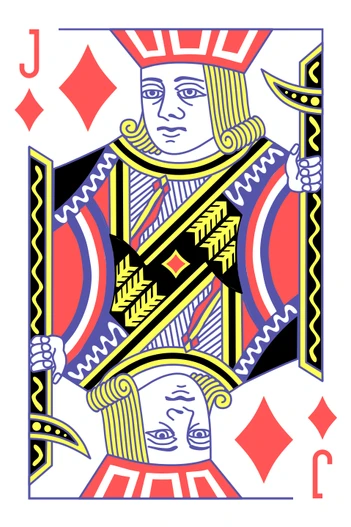
When a court card you did not expect shows up, ask who it is. A jack of diamonds in a love spread is often a message about money or a younger person bringing news, not a romantic rival. Reading the courts as real people in the querent's life keeps the spread concrete and stops it from drifting into vague advice.
Card Combinations (Reading Pairs and Triplets, Examples)
Single-card meanings are only the alphabet. Real reading happens when you combine cards, because the deck speaks in pairs and triplets. The skill is to read two cards as one phrase, where the first card is the situation or the cause and the second is the result or the response. Order matters. The ace of hearts followed by the nine of spades is love shadowed by worry, while the nine of spades followed by the ace of hearts is worry easing into love.
A few classic pairs show how directly the cards talk. The ace of hearts beside the king of diamonds suggests a well-off partner coming into your romantic life. The king of hearts with the nine of hearts is one of the luckiest pairings for lovers, a wish granted in matters of the heart. Two red tens together have long been read as a wedding. When a spade pair frames a heart, read the affection as something under pressure from outside the relationship.
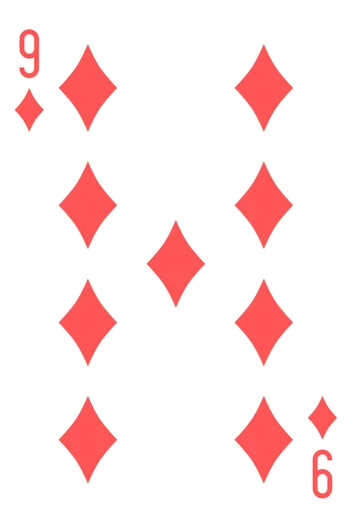
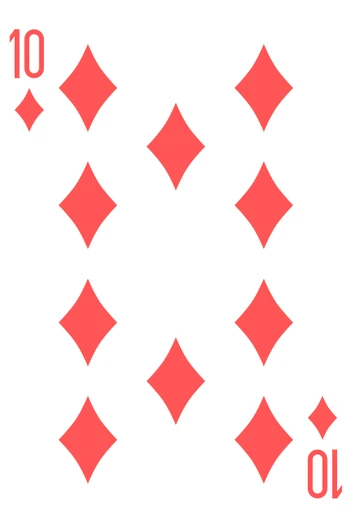
Triplets push the same logic further. Three cards in a row become past, present and future, or cause, event and consequence, depending on your spread. A run like nine of diamonds, ten of spades, six of hearts reads as a financial setback that hits hard, then settles into quiet repair. Let the middle card act as the hinge that the other two turn on.
Repeated ranks are their own signal, and the 36-card deck makes them easy to spot. Four aces point to a sweeping change arriving from every direction. Four kings gather powerful people or a meeting of decision-makers. Four queens suggest a social gathering or the influence of several women. Three of a kind carry a lighter version of the same theme. When the same number keeps surfacing across a spread, treat it as the headline of the reading.
These meanings are starting points, not fixed verdicts. The same pair can read two ways, and the surrounding cards and your sense of the querent's situation decide which fits. Learn the common combinations as anchors, then trust the picture the whole spread is painting.
Popular Cartomancy Spreads
You do not need elaborate layouts to read well. A few reliable spreads cover almost every question, and they all scale down comfortably to the 36-card deck.
The three-card spread is the workhorse. Shuffle, deal three cards left to right, and read them as past, present and future. It is fast, it suits any question, and it forces you to read combinations from the start. Beginners should live in this spread for a while before moving on. You can repurpose the three positions for situation, action and outcome, or for body, mind and circumstance, depending on what you are asking.
The nine-card grid expands the same idea into a 3-by-3 square. Read the top row as the thinking or background, the middle row as the present situation, and the bottom row as the practical outcome. Then read the columns top to bottom for a second layer. This spread gives a fuller portrait of a complicated situation without becoming overwhelming, and the dominant suit across the grid tells you the overall mood at a glance.
For a full-life overview, the larger tableau lays out a big block of cards, traditionally in three rows of seven, read as past, present and future. With a 36-card deck you can deal a generous spread and still keep cards in reserve. This is the layout for an annual reading or a sprawling question about where life is heading, and it asks for patience, since you read each row as a continuous narrative before drawing conclusions.
Whichever spread you choose, decide the positions before you deal and stick to them. The structure is what turns a pile of cards into a readable answer.
Getting Started for Beginners
Begin with one deck and keep it for reading only. A 36-card pack is ideal because there is less to learn and every card pulls its weight. Spend your first sessions simply learning the four suit themes, since suit alone will carry you a long way before you memorize a single rank.
Keep a notebook. After each reading, write down the cards, your question and what you read into them, then come back later to see how it played out. This is the fastest way to build an instinct for combinations, because you start to notice your own patterns and where the cards were blunt and accurate. Daily single-card draws are a good warm-up. Pull one card each morning and watch how its theme shows up by evening.
Ask concrete questions. The cards answer "will this meeting go well" far better than "what does my future hold." A sharp question gives the spread something to push against, and the reading comes out specific instead of foggy. When a spread confuses you, reduce it. Go back to three cards and read the story plainly rather than forcing meaning onto a layout you are not ready for.
Tip. Phrase your question around one situation and one timeframe, such as "how will this week at work go," rather than stacking several worries into a single draw. One clear question per spread keeps the cards from contradicting themselves.
Above all, read the cards as a tool for thinking, not as a fixed forecast. The 36-card deck is good at naming the thing you already sense but have not put into words. Let it raise the right question, then make your own decision with clearer eyes.
Everyone Reads at Astralika
Enough theory: time to ask the cards a question of your own. There are 271 readings on love, work, health and more.