Playing Card Combinations
The meaning of playing card combinations in cartomancy: how a pair of cards reads together by suit and element in love, relationships, work and money.
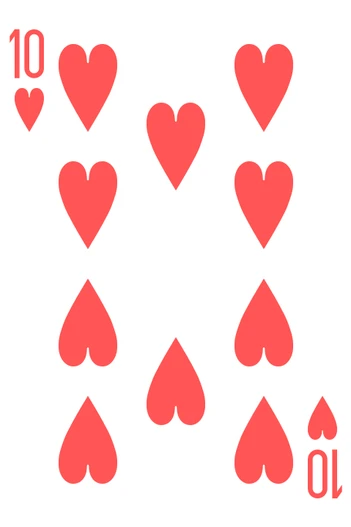
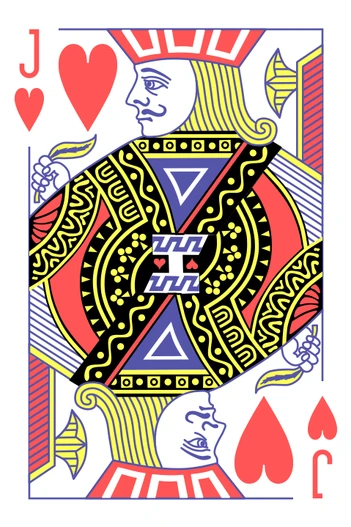
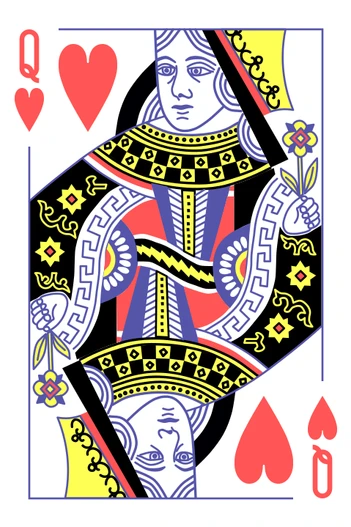
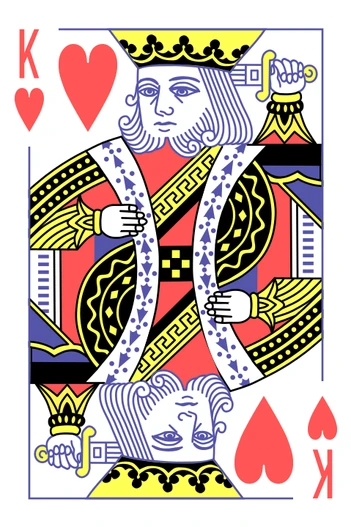
With Hearts
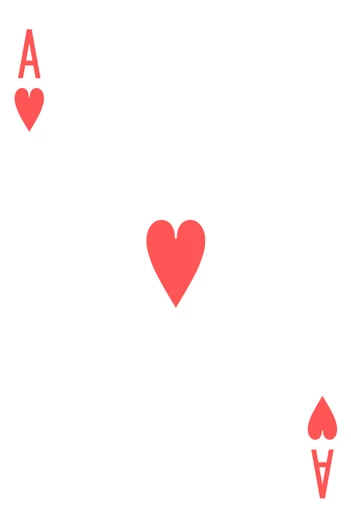
With Diamonds
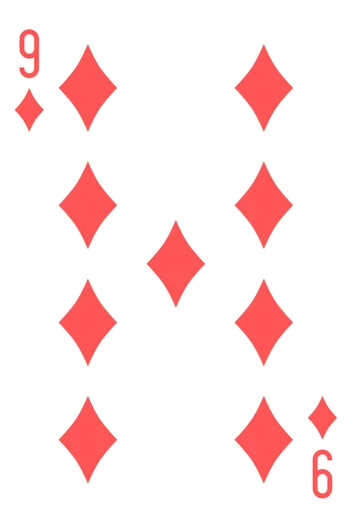
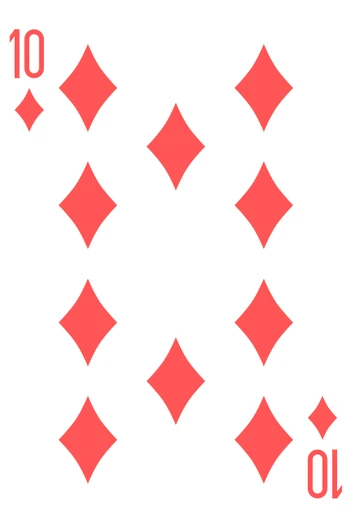
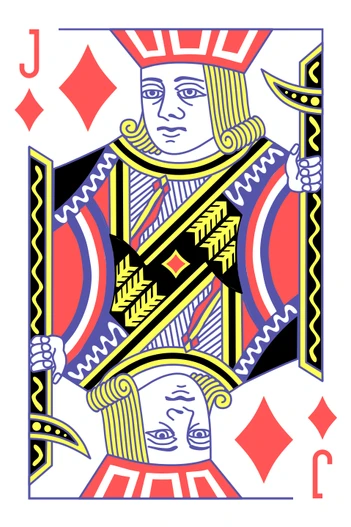
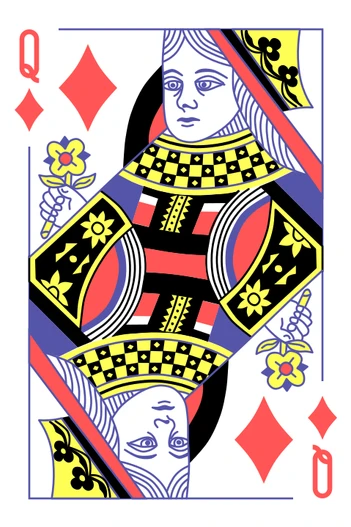
With Clubs
With Spades
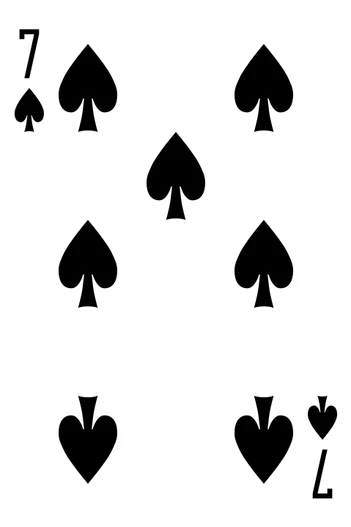
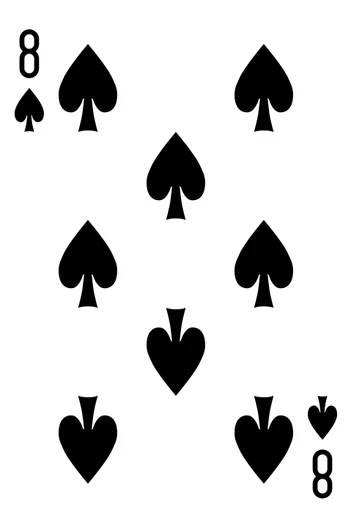
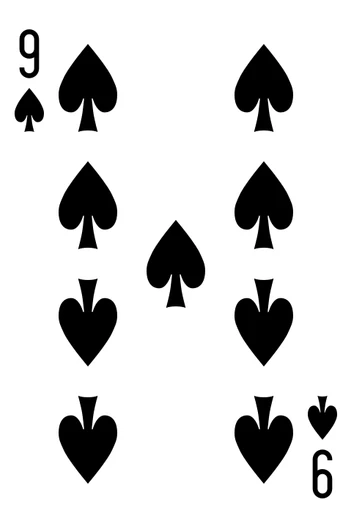
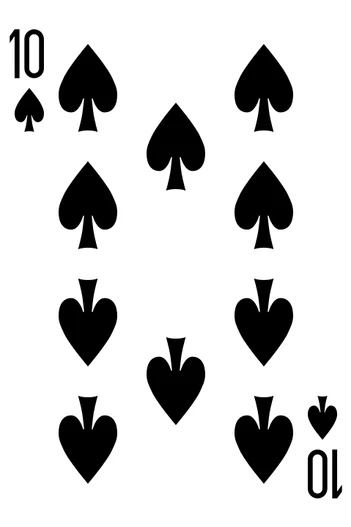
A single playing card decides almost nothing in a reading. The Ace of Hearts on its own is just "strong feeling," and the Six of Spades is just "a road with worry." Living meaning is born when two cards lie side by side and start qualifying each other. So the core skill in playing card divination is not memorizing isolated meanings, it is reading a pair as one short phrase.
A cartomancy deck has 36 cards, and they form 630 unique pairs. Each pair is a small message: one card names the topic, the other colors it. Master pair reading and triads, rows, and larger spreads open up too, because they are all built from the same brick. The whole system rests on the ability to bind two images into one meaning.
This page explains the method without filler. You will learn why playing cards are read in combinations, how the four suits and their elements work, what card rank adds to a pair, why swapping two cards changes the answer, which cards brighten a reading and which darken it, and how a pair scales up to a full spread. At the end you will find working example pairs with links to the card write-ups and ready combination pages.
Treat combinations as grammar. If a single card's meaning is a word in the dictionary, then a pair is a phrase and a spread is a coherent text. Learning to read this grammar is easier than it looks: hold a few simple rules in your head and practice a lot.
Why Playing Cards Are Read in Combinations
A playing card has a narrow, concrete image. It lacks the layered symbolism of a Tarot major arcanum, so a single card cannot carry a full answer. The Ten of Diamonds is money and a large outcome, but until a second card joins it, you cannot tell whether it means a bonus, a big purchase, or a debt finally cleared. One card sets the topic, the neighbor clarifies it.
The unit of meaning in cartomancy is not the card, it is the pair. A reader does not parse each card in isolation, she assembles a phrase and reads it whole. So when a lone card turns up, an experienced practitioner almost always draws a second one for context. One card says "what this is about," the other answers "and what is happening with it."
There is a pleasant consequence. Playing card divination has no reversed positions: pip and spade cards are symmetric, so orientation carries no meaning, and you never have to hold two sets of meanings per card. Instead you gain the one skill that makes the whole thing worthwhile: reading cards in combination. What softens or sharpens a card is not a reversal but its neighbor. Next to a heart even a hard card warms up, next to a spade even a kind card dims.
This is exactly why the combination pages on this site are more useful than single-card write-ups. They show what happens where two images meet and what meaning is born there. Look, for instance, at the pair Ace of Hearts and King of Spades to see how strong feeling and a hard, mature man fold into a concrete story about a relationship with a difficult person.
The Four Suits and Their Elements
The backbone of any combination is the interaction of two suits. Each suit has its element and its sphere of life, and their meeting sets the tone of a pair before you even read the ranks.
Hearts are the element of Water: love, family, feelings, close relationships. This is the warmest suit, it speaks of the heart and of the people we hold dear. Diamonds are the element of Earth: money, affairs, news, everything material and tangible. Clubs are the element of Fire: work, errands, cares, daily effort and whatever demands energy. Spades are the element of Air: difficulties, conflicts, obstacles, anxious thoughts and everything that hinders or wounds.
When two suits meet in a pair, read them as a conversation between two elements. Hearts beside Diamonds is feeling and money together, a relationship with a material side or care for loved ones through means. Clubs beside Spades is work and obstacles, a hard project or errands that grind. Two cards of the same suit amplify its theme: two hearts is a conversation entirely about feelings, two spades is a knot of difficulties. First decide which two spheres of life are in play, then refine with the details.
It helps to keep the overall color in mind too. The red suits, hearts and diamonds, are lighter and softer: they are about feelings and means. The black suits, clubs and spades, are heavier: they are about labor, cares, and obstacles. This rough gauge lets you judge on the fly whether a pair's tone is kind or anxious before you analyze it in depth.
Card Rank: Aces, Court Cards, and Numbers
The suit tells you the sphere, the rank tells you what is happening in that sphere. Stack the two layers and a pair comes alive.
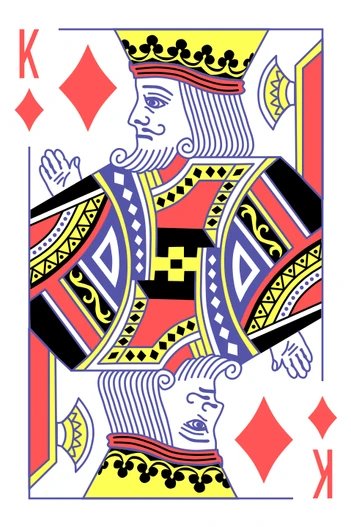
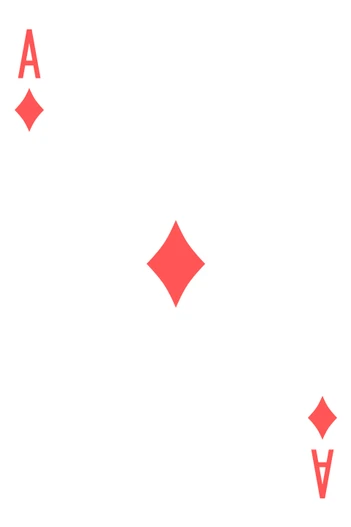
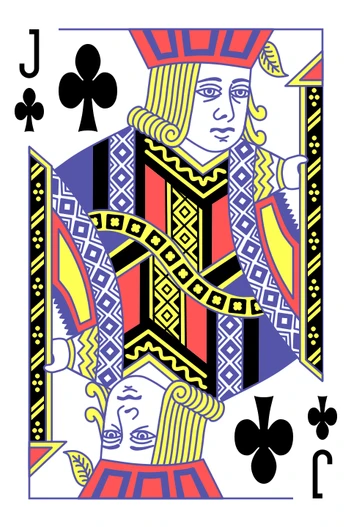
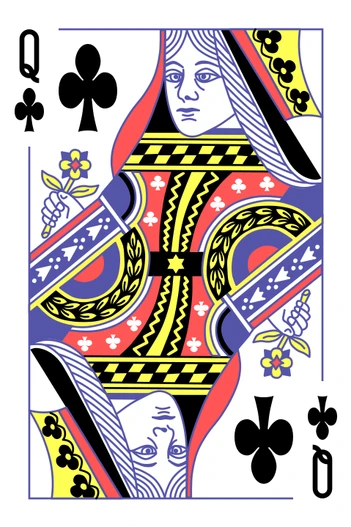
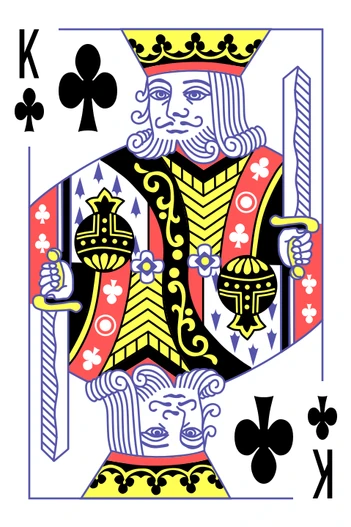
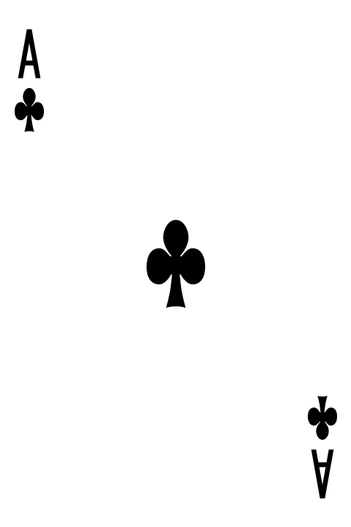
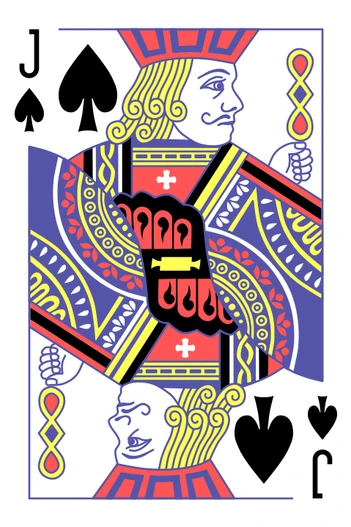
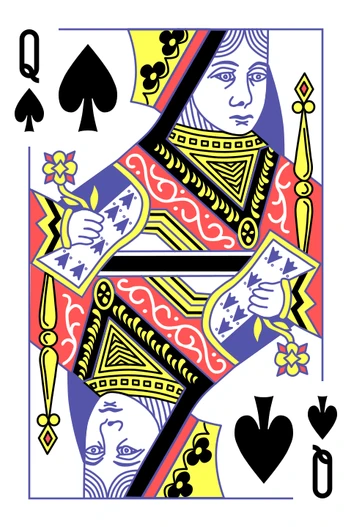
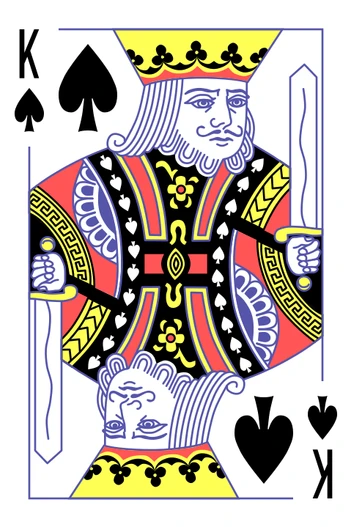
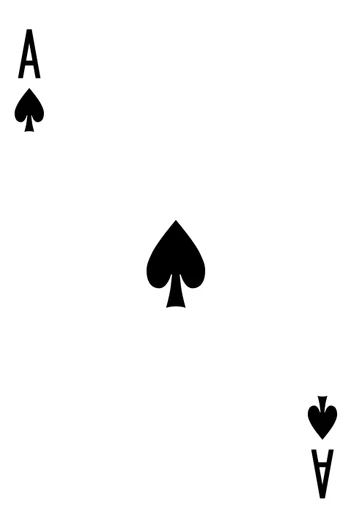
Aces are beginnings, impulse, an important matter. An ace pushes its suit to the limit and often marks the starting point of an event: the Ace of Diamonds is big money or important news, the Ace of Spades is a serious blow or a pivotal difficulty. Court cards, kings and queens, are almost always people: a king is a mature man, a queen a mature woman, and the suit hints at their character. The King of Spades is a stern or powerful man, the Queen of Hearts a loving, close woman. Jacks are young people, messages, or thoughts: the Jack of Clubs is often a busy young man or a work-related message.
The number cards have steady roles worth memorizing. Tens are fullness and a large outcome of the suit. Nines are stability and the granting of wishes, above all the Nine of Hearts, the card of a wish come true. Eights are meetings and contact, a step toward someone. Sevens are talks, small changes, and errands, and the Seven of Hearts is also a warm conversation about feelings. Sixes are the road and the start of a journey.
Reading a pair now takes two moves. First name the sphere by suit, then the event by rank, and connect them. Nine of Hearts plus a Six of any suit is "a wish that is already on its way." Ten of Diamonds plus a court card is "big money tied to a specific person." Do not rush a polished reading, first say it plainly: sphere, then event.
How to Build a Pair's Meaning
The core method of reading a pair is almost grammatical. The first card is the subject, it names the topic. The second is the modifier, it describes that topic. You read the pair left to right, like a short phrase: first the thing, then its quality.
Take the Ace of Hearts and the Ten of Diamonds. If the Ace of Hearts comes first, the topic is strong feeling or the start of a relationship, and the Ten of Diamonds clarifies: that feeling is tied to money or to a solid, secure footing. You get "love on a firm material foundation" or "a relationship where means matter." Now swap the order. If the Ten of Diamonds comes first, the topic is big money or an outcome in affairs, and the Ace of Hearts paints it warm and heartfelt: "wealth that brings joy to loved ones." The subject has shifted, and the phrase sounds different.
The same principle works for any pair. Do not try to produce an elegant reading at once, first say the phrase plainly: subject, then quality. Literal reading in cartomancy is almost always truer than a graceful one. If the pair contains a court card, that figure is usually the hero of the story, and the other card tells you what is happening to that person.
Tip. Say the pair aloud as "what and what kind." The first card answers "what is this about," the second answers "and what about it." If the phrase comes out clumsy but on point, you are on the right track.
Direct and Reverse Order
This is perhaps the most important rule of combinations, and the one beginners most often miss. Card order in a reading is not a formality. The first card sets the subject, the second defines it, so swapping two cards shifts the stress, and sometimes the whole meaning.
Take the King of Spades and the Ace of Hearts. In the order King of Spades plus Ace of Hearts the hero is a stern man and feeling describes him: "this man is struck by strong emotion," a cold-seeming man falls in love. Swap them, and Ace of Hearts plus King of Spades reads as "strong feeling aimed at a difficult person," your love for someone who is hard to deal with. The same two cards, a different meaning, because the subject of the sentence is different.
This is why our combination pages always carry a "Direct and Reverse Order" block. We unpack both sequences separately so you can see how the stress moves. In practice the two readings are usually close, but their emphasis and tone differ, and in a live spread that difference is often the answer to the question.
When you lay several cards in a row, read them in the order they fell and do not rearrange them. The card to the left of the significator usually speaks of the past and causes, the card to the right of the future and consequences. The same order as in a pair: left to right, from subject to development.
Bright Cards and Dark Cards in a Pair
Not all cards in a pair carry equal weight. Some pull the reading their way harder than others, brightening or darkening their neighbors, and you should account for this before you dig into details. First gauge the overall tone of the cards around, then analyze the specific pair.
Bright cards lighten any link. Hearts are warm overall, and individual cards like the Nine of Hearts, the card of a wish come true, and the Ace of Hearts promise a favorable outcome and soften anxious neighbors. Next to such a card even a hard card loses half its edge. Diamonds add practicality and means, and also tend to work in your favor when affairs and money are at issue.
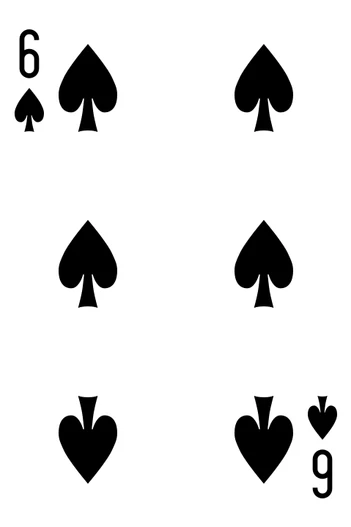
Dark cards, by contrast, darken the link and warn. Spades are the suit of obstacles: the Ace of Spades foretells a serious blow or a sharp turn, the Six of Spades is a hard road or late news, and spade numbers nearby thicken the worry. These cards are not a verdict, but they paint the pair an anxious tone, and you cannot ignore them. Clubs add cares and fatigue: next to them even a pleasant matter will demand effort.
The practical takeaway is this. Before reading a pair by formula, ask yourself: what color and tone is it. A red neighbor softens even an unpleasant topic, a black one adds a drop of bitterness even to a happy one. It is from this balance that the yes-or-no answer is assembled when no rigid table is at hand.
Common Combinations and Examples
To feel the method in practice, let us unpack a few working pairs. Notice how the "topic plus quality" formula runs through each, and how the color shifts with the neighbor's suit.
- Ace of Hearts plus King of Spades is feeling as the topic and a difficult man as the qualifier, a strong attachment to a closed, complicated person. Full breakdown of both orders on the page Ace of Hearts and King of Spades.
- Nine of Hearts plus Seven of Hearts is a wish granted as the topic and a warm talk as the qualifier, a dream of love that comes true through an honest conversation.
- Ten of Diamonds plus Ace of Hearts is big money as the topic and heartfelt joy as the qualifier, wealth that strengthens the family and brings warmth.
- Ace of Spades plus Six of Spades is a sharp blow as the topic and a hard road as the qualifier, painful news on a journey or an obstacle that drags on.
- Jack of Clubs plus Ace of Diamonds is a busy young man as the topic and important news as the qualifier, a work message or a business offer from a junior partner.
- Queen of Hearts plus King of Spades is a loving woman as the topic and a stern man as the qualifier, a couple where one's warmth meets the other's reserve.
Notice that in each pair the first card names what is at issue, and the second answers what is happening with it. That is the whole method in action. A full breakdown of any of the 630 pairs, with both reading orders, opens on its own combination page, linked from our spreads and from the card write-ups themselves.
How to Practice Reading Pairs
The best way to master combinations is a short daily exercise. Draw two cards at random and build a phrase aloud: the first card is the topic, the second the modifier. It does not matter whether you have a question, what matters is the mechanic of binding two images. At first the phrases will come out clumsy, and that is fine: a clumsy but true reading beats a graceful but invented one.
Raise the difficulty once the basic pairs come easily. Draw the same two cards, then swap them in your mind and say both versions. This trains your sense of order, the key skill in cartomancy. Cross-check against our combination pages while you are at it: read your own interpretation, then look at the "Direct and Reverse Order" block and see whether the stress matched.
Keep a pair journal. Write down the link you drew, your reading, and, if there was a question, how it actually played out. Come back a couple of weeks later and compare. This review teaches faster than any book, because it shows your strengths and your weak spots. After a month or two of steady practice you will notice pairs folding into phrases almost instantly, without long pauses, and then you can move on to bigger spreads.