Tarot Card Combinations
The meaning of Tarot card combinations in readings: how cards strengthen and shift each other in love, relationships and work.
With the Major Arcana
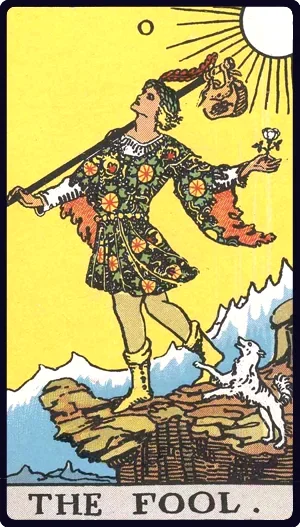
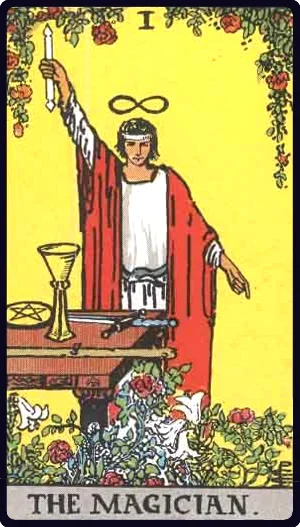
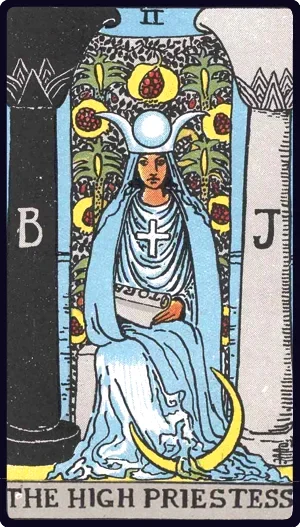
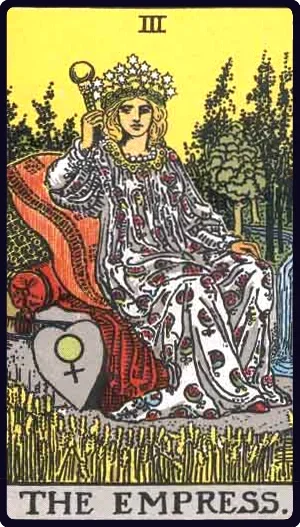
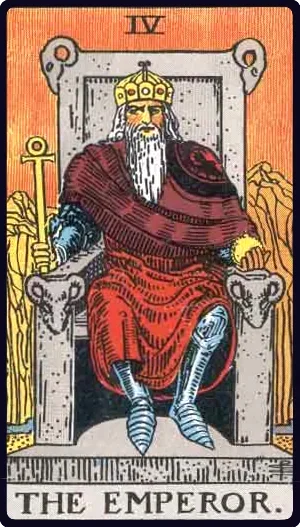
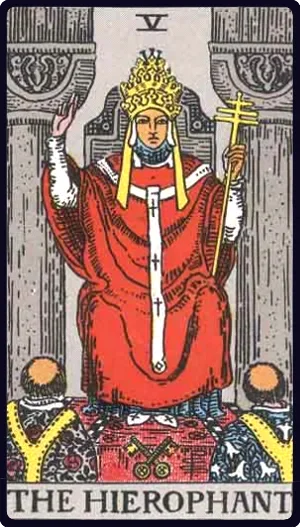
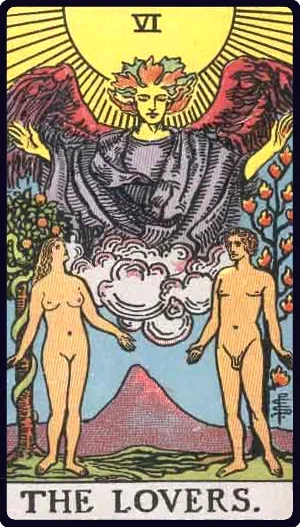
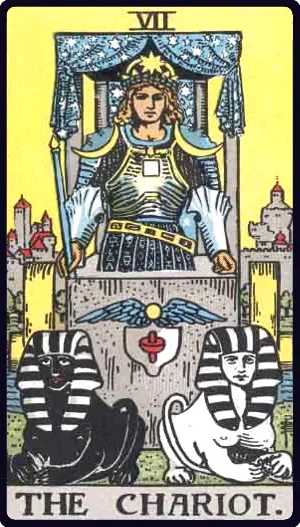
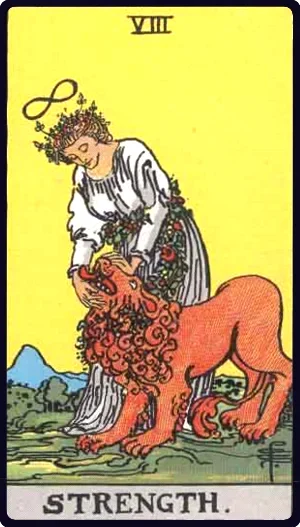
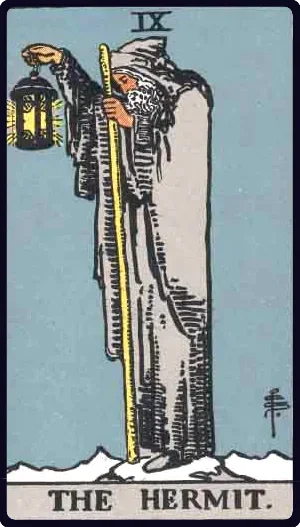
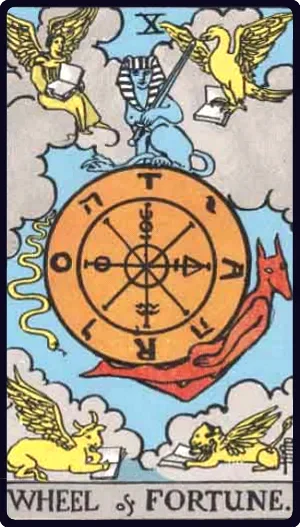
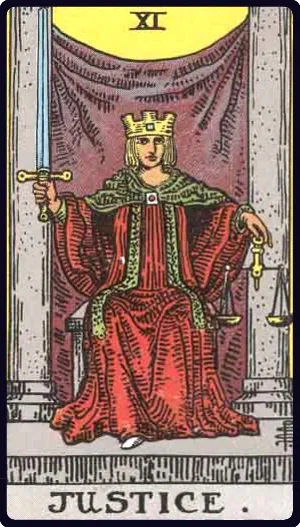
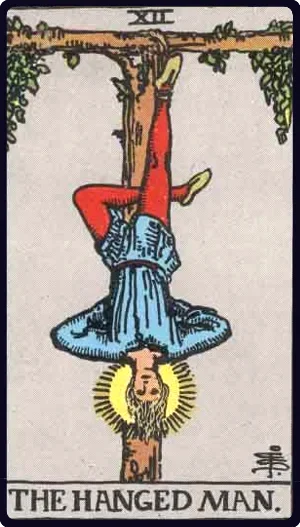
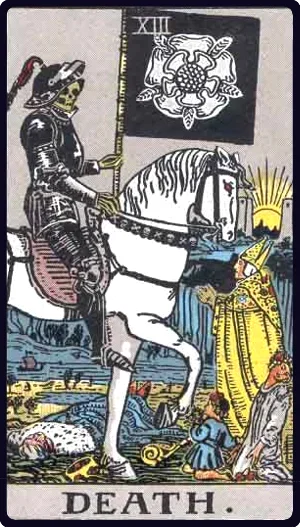
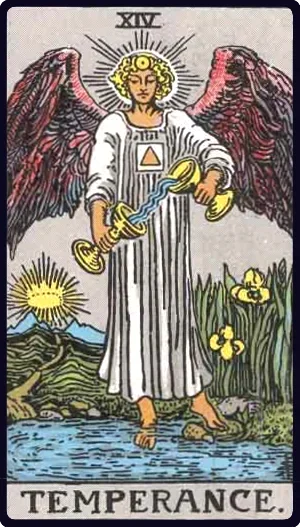
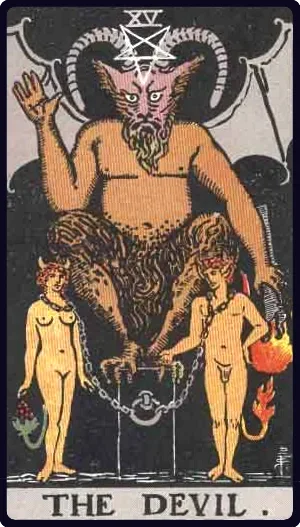
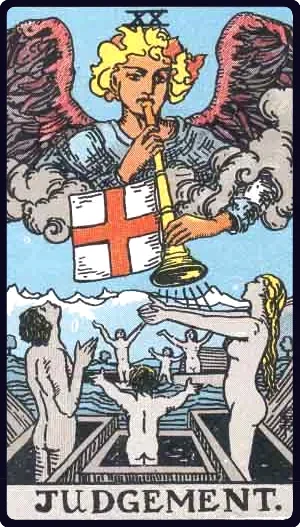
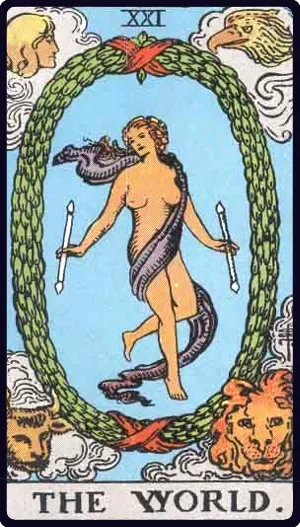
With Wands
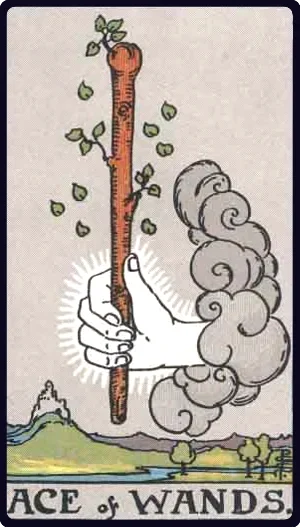
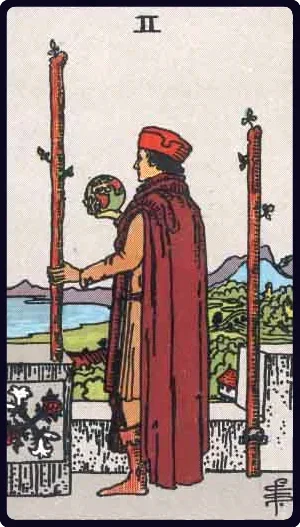
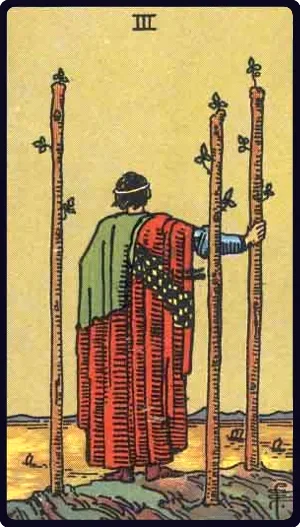
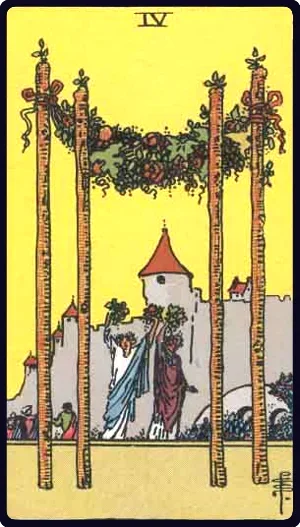
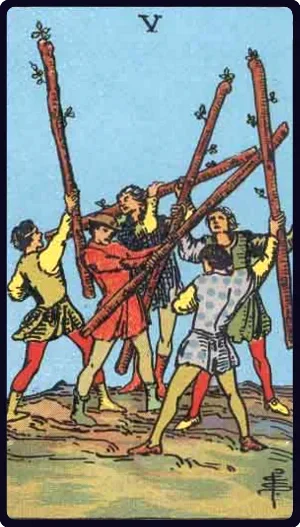
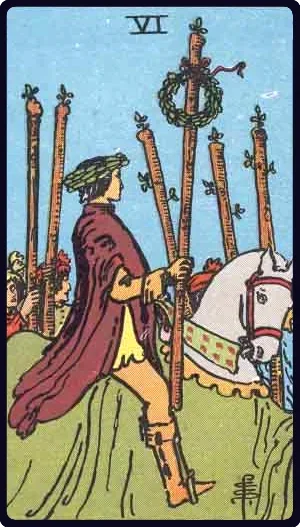
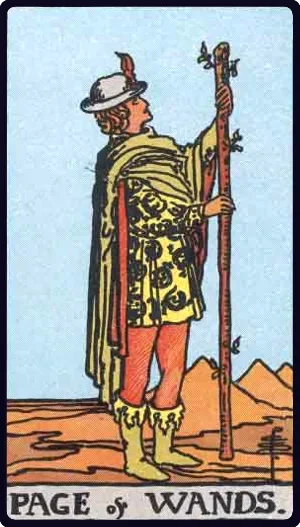
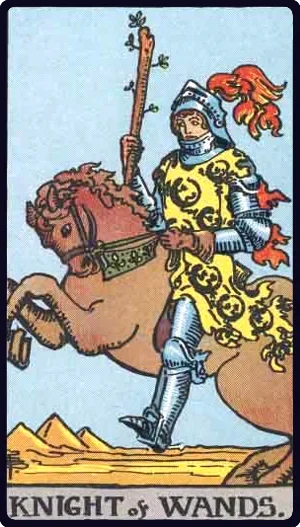
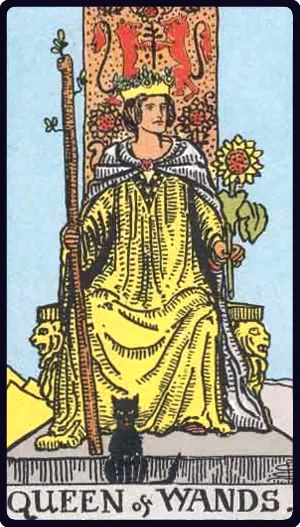
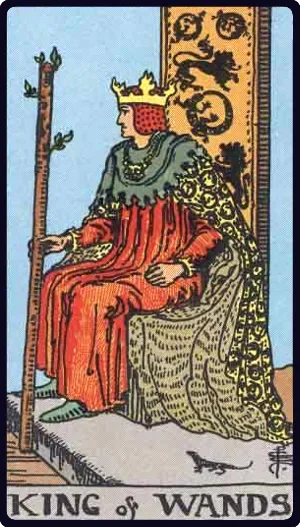
With Cups
With Swords
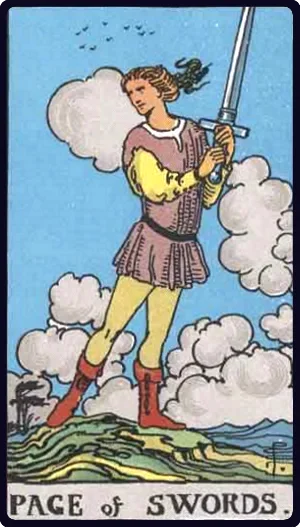
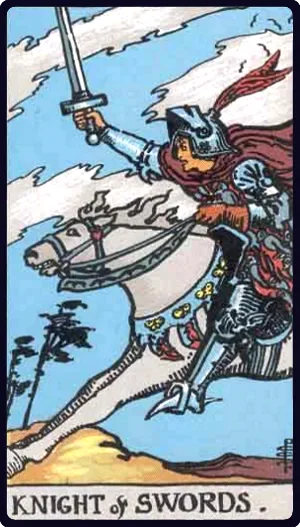
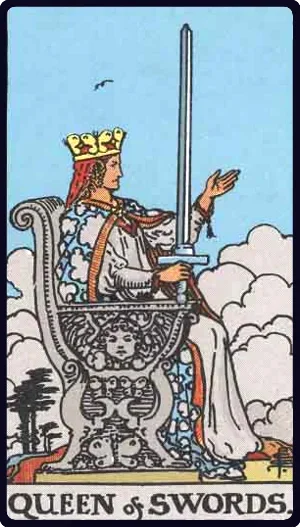
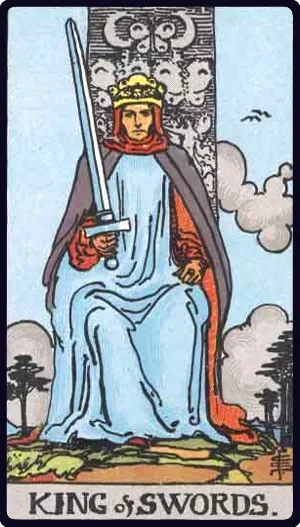
With Pentacles
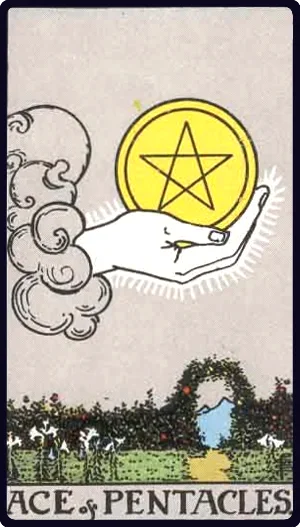
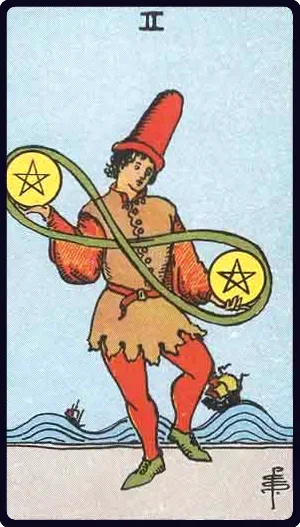
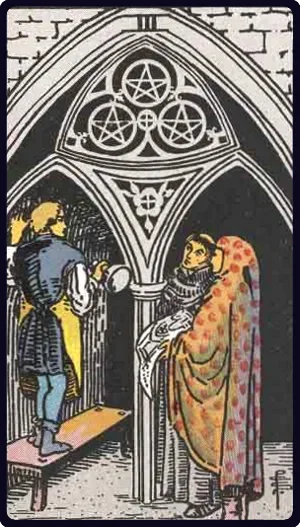
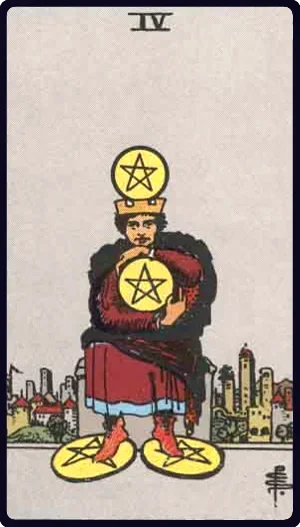
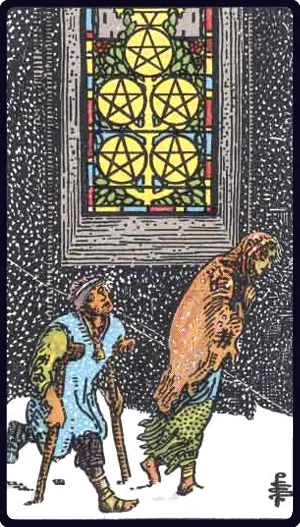
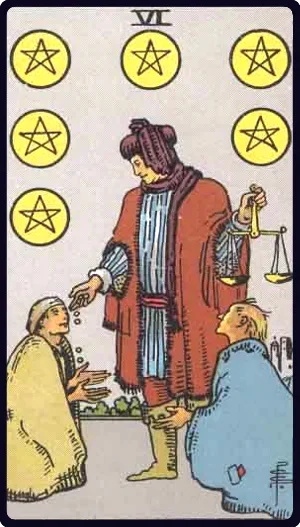
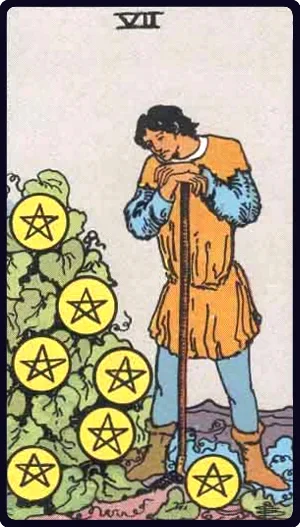
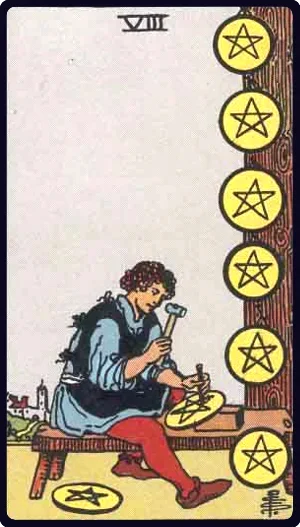
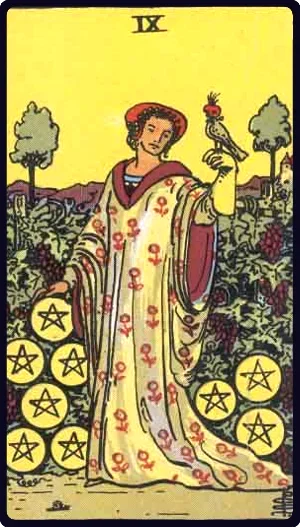
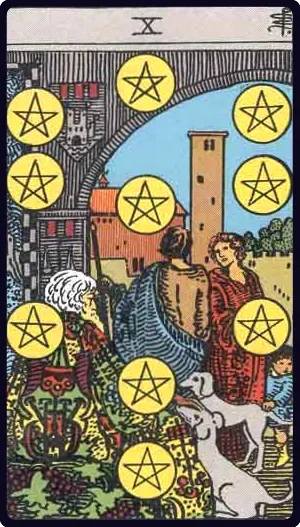
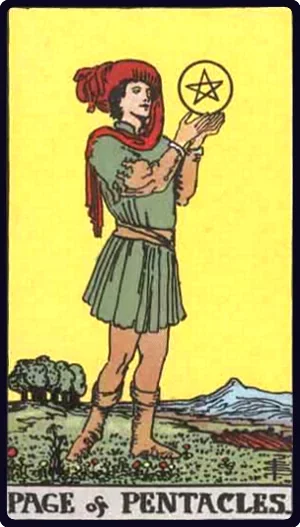
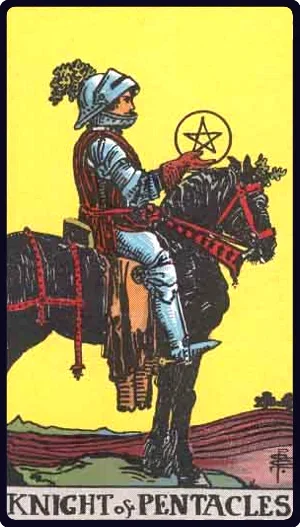
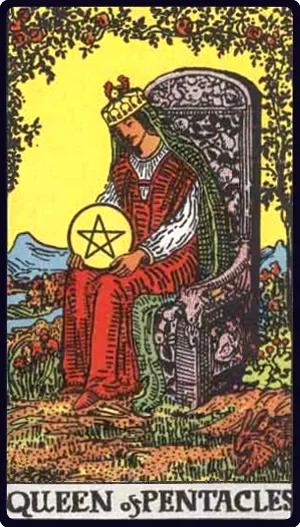
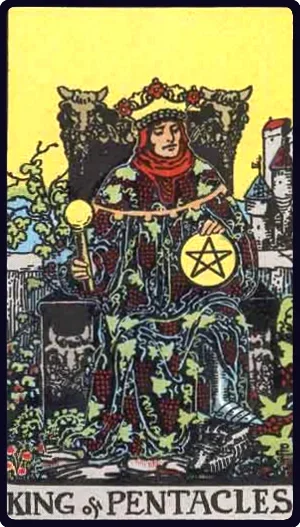
A combination in tarot is two neighboring cards read together as a single sentence. One card on its own gives you a theme. The card beside it sharpens that theme, amplifies it, softens it, or turns it on its head. A live reading is built from these connections, not from a string of separate definitions copied out of a book.
A full deck holds 78 cards, which means exactly 3003 possible pairs. That number looks intimidating if you try to memorize every combination. The good news is that you do not have to. Learn the method for blending two meanings and you can read a pair you have never seen, one that appears in no guide at all. The cards work by logic, not by a lookup table.
This section gathers the reading for every tarot pair in one place, a page for each combination. Before you dive into specific pairings, it helps to understand the principle behind them. Below I cover how two cards form one meaning, whether order and spread position matter, what to do with reversed cards, how to read suits and elements side by side, and a set of common pairs with short interpretations.
If you are just starting out, take it in steps. Get comfortable reading a single card first, then move on to pairs. Reading combinations is the next rung up, and it comes more easily once the basic card meanings are settled in your head.
Why Read Cards in Combination Rather Than Alone
Picture pulling three cards for a simple question and reading each one straight from a guide. You end up with three separate paragraphs and no thread between them. That turns a reading into a newspaper horoscope: plenty of words, little use. Cards in a spread do not sit in isolation. They talk to one another, and the meaning lives in that conversation.
A neighboring card shifts how the main one sounds. The Magician next to the Fool speaks of a bold plan with a real chance of success. The same Magician next to an anxious card hints instead at cunning or manipulation. One card, but the company around it sets the shade. This is why reading a meaning in a vacuum is nearly useless. Context decides.
Combinations turn a spread into a coherent story. You stop listing isolated facts and start seeing a plot: here is the cause, here is what follows, here is what stands in the way, here is where it all leads. This skill is what separates a living reading from a recital of book definitions. It is worth understanding the logic of pairs rather than hoarding hundreds of ready-made formulas.
How Two Cards Form One Meaning
The method for reading a pair is simple. Take the core meaning of the first card. Then look at the second and ask what it adds to the first. Do not interpret them in turn as two separate answers. Look for the bridge between them. The keyword approach works best: pick a short phrase for each card and join the two phrases into a single thought.
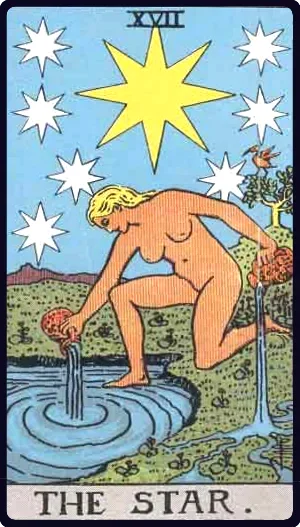
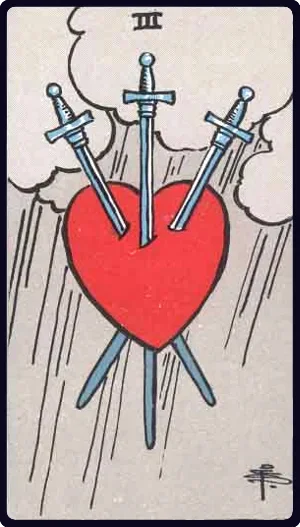
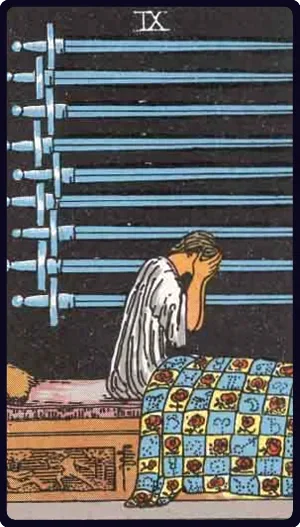
A neighboring card works in one of three modes. It amplifies a theme, softens it, or reverses it. Take the Nine of Swords, the card of anxiety and sleepless nights. Beside the Star its weight melts away: the fears turn out to be exaggerated, and healing and hope lie ahead. The same Nine of Swords beside a grim card only thickens the gloom and warns of a long, hard stretch. One card, two opposite readings, and the neighbor decides which.
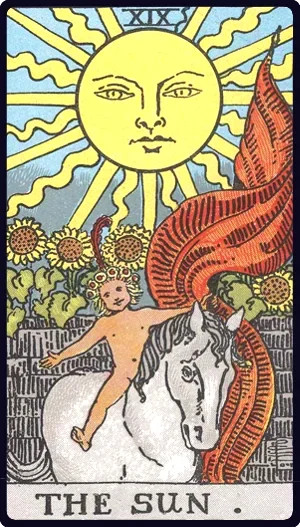
Amplification cuts the bright way too. The Sun next to the Star is a rare and powerful pairing of pure joy: hope comes true, clarity arrives, and with it a hard-won calm. Two supportive cards stack into reinforced positivity, two heavy cards compound each other, and a bright card next to a dark one balances the two out. Gauge the overall mood of the pair first, then refine the detail.
Keep an eye on shared themes. When both cards speak to the same area, both about feelings or both about money, that theme becomes central and almost undeniable. When the cards pull in opposite directions, you are looking at a conflict or a choice, and the reading is showing you its heart. Overlapping themes are a signal that the question turns on exactly that area.
Does Card Order and Spread Position Matter
Order often rewrites the story. In a left-to-right line the first card is usually the cause or the starting point, and the second is what follows from it. The Two of Cups, a budding closeness, followed by a card of departure reads as a promising start that one person decides to leave. Swap the two and you get a different plot: someone walks away from an old bond and finds new closeness. Same two cards, different story, all set by sequence.
On the pages in this section, pairs are given without a fixed order, since both sequences resolve to the same combination page. The core meaning of a pairing barely changes when you swap the cards. What shifts is the emphasis: which card is the cause and which is the result. In a real spread you set the order yourself when you decide how to read the line.
Position in the spread matters just as much. The same card sits differently in a "past" slot than in an "advice" slot. A card in an "obstacle" position reads as a warning even when its upright meaning is sunny. So keep to the rule: recall what the position asks first, lay the card onto it, and only then look at the neighbors. Adjacency works most strongly between cards that physically sit next to each other, so link those first.
Reversed Cards in Combinations
Reversed cards are the weak spot of many guides, which simply write "the opposite" and move on. The truth is subtler. A reversed card rarely means a clean opposite. More often it shows the same theme in a weakened, blocked, delayed, or inward-turned form. The meaning stays recognizable. What changes is its strength and its sign.
In a pair, reversing one card shifts the whole connection. A bright combination with one card reversed loses its ease: the joy is delayed, the support stalls, the good intention never reaches the deed. A heavy combination with one card reversed sometimes softens instead: the blow lands at half strength, or its energy fades before it can unfold. Do not rush to flip the meaning to its opposite. Ask first what exactly has weakened or stuck.
When both cards are reversed, the theme usually goes still or turns inward. On the surface everything has frozen, while the real action happens in the head and the heart, hidden from others. This is often the story of someone who understands the situation perfectly but cannot bring themselves to act. On the combination pages in this section, the reversed variants are broken out separately for each pairing and each orientation. If a spread turns out complex, stick to one approach to reversals within a single reading, or the answers will start to contradict each other.
Combinations Among the Major Arcana
The Major Arcana carry more weight in a spread than the Minors, because they speak to the large themes and turning points of a life. When two Major Arcana fall side by side, you are not looking at a passing trifle but at a significant knot. Such pairs read as a meeting of two large forces, and their tone always runs stronger than any numbered connection.
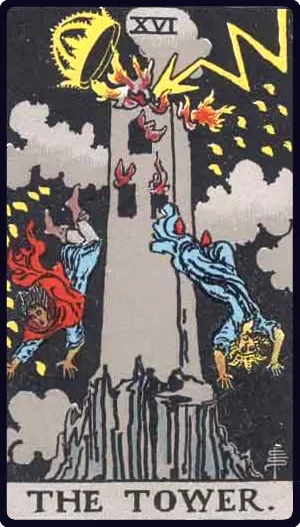
Two Major Arcana intensify each other at the root. The Tower beside Death speaks of sudden, irreversible change after which life will not return to what it was: one thing ends, another collapses, and both at once. The Lovers beside another bright Major lifts the theme of love and great choice to the level of a fateful decision rather than a fleeting attraction.
When several Major Arcana appear at once, that is a sign the situation touches deep processes and resists your moment-to-moment control. Here it pays to see where the cards sit on the Fool's Journey. Cards near the start of the deck speak of openings and fresh starts, cards near the end of resolution and outcome. That alone adds depth to a connection. A good pairing to study is the Magician and Tower, where will and collapse meet face to face.
The Suits of the Minor Arcana: Within a Suit and Across Suits
Suits set the area of life, and the elements behind them tell you how the cards get along. Wands are Fire, energy and action. Cups are Water, feelings and relationships. Swords are Air, thoughts, words, and conflict. Pentacles are Earth, money, work, and the material. Learn these four characters and you can gauge the sense of a pairing before you ever open its full write-up.
Within a single suit the cards amplify each other. Two Swords sharpen a mental, anxious theme to its edge, and an argument or a hard decision becomes the center of the spread. Two Cups thicken the feelings, two Pentacles press on money and home. A matching suit is the most direct signal that the whole question lies in that area, and there is rarely any second opinion about it.
Across suits the elements either get along or clash. Fire and Air support each other, so Wands and Swords lend an active, forceful tone. Water and Earth also agree, so Cups and Pentacles join feeling to practical care. Fire with Water, and Air with Earth, pull against each other: such a pair often speaks of friction, of forces working at cross purposes. That is not a verdict but a pointer to an inner conflict in the situation.
Watch the overall balance of suits as well. A run of Swords signals a time of arguments and worry, Cups turn the talk to feelings, a parade of Pentacles presses on money and home, and a scatter of Wands betrays a hot, busy stretch. Numbers help too: several Aces together promise fresh starts across several areas at once, a cluster of Tens speaks of cycles closing.
Common Combinations and What They Mean
A handful of recognizable pairs, to feel how the method works in practice. Each one opens to its own page where it is broken down in full, with love, work, and every reversed variant.
- The Sun and The Star · hope ripening into pure joy, clarity after long uncertainty, a hard-won calm
- The Tower and Death · sudden, irreversible change after which life will not return to what it was
- Nine of Swords and The Star · the worry was overblown, the fears retreat, healing lies ahead
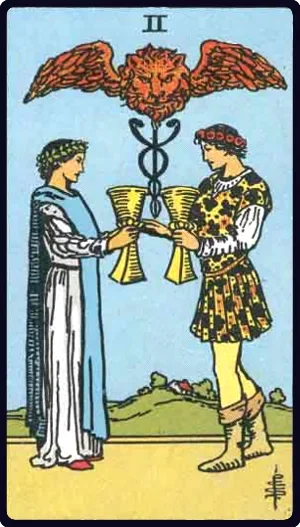
- The Lovers and Two of Cups · a strong mutual bond, agreement and attraction, a relationship worth investing in
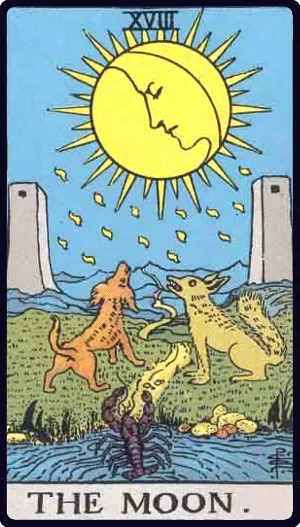
- The High Priestess and The Moon · strong intuition, but also the risk of getting lost in your own guesswork and illusions
- The Devil and The Moon · dependence and self-deception, the feeling of a trap with no clear way out yet
Notice how in each pair one card sets the main theme and the other colors it. The Star softens the dread of the Nine of Swords but heightens the joy of the Sun. The Moon beside one card lights up intuition, beside another it thickens illusion. For a full breakdown of any connection, find its page, for example the High Priestess and Moon, where intuition meets a fog of uncertainty.
How to Train the Skill of Reading Combinations
The best exercise is simple and needs no spread. Shuffle the deck, draw two cards at random, and try to read them as one sentence, aloud or in a journal. Do not peek at a guide right away. Name the keyword of each card first, join them, then check yourself on the combination page. After a couple of weeks of this, pairs start to fall into place on their own.
Build up the difficulty gradually. Draw only upright cards at first, then add reversals. Then set an order: the first card is the cause, the second the effect, and read the pair as a small plot. Once two cards come easily, move to three and watch how the middle card links the outer two. The skill grows naturally this way, without rote learning.
Keep brief notes. The pair you drew, your first reading of it, and how the situation actually turned out. Your own records teach faster than any textbook, because they rest on your experience and your life. And if you would rather not work it out yourself, you can get a free tarot reading and pull the cards online. Ready interpretations for every pair wait on the pages in this section.