Five of Swords — Tarot Card Meaning
- Upright
- Conflict, defeat, hollow victory, winning at all costs, dishonor
- Reversed
- Reconciliation, making amends, moving on, lingering resentment, exhaustion
- Yes/No
- No (Reversed: Likely no)
- Correspondences
- Element Air
Upright Meaning
Upright, the Five of Swords speaks of conflict in which there are no real winners. You find yourself in a dispute where each side defends its position at any cost. Even if you come out on top, the aftertaste is bitter and the relationship cracks under the strain.
The card often appears when a person pursues a goal through manipulation, pressure, or unfair tactics. The urge to prove a point drowns out good sense, and anything goes. Victory arrives, but it brings enemies and a damaged reputation along with it.
Sometimes the Five of Swords points to the role of the loser. You were outmaneuvered, humiliated, or deceived, and now you are sitting with the sting of defeat. The card describes a situation where your principles were trampled and you are left with a sense of injustice.
The deeper message of the upright card is to weigh the cost of the fight honestly. Ask yourself what this argument is really for and what you stand to lose even if you win. Sometimes the wiser move is to walk away rather than claim a victory that turns to dust in your hands.
Reversed Meaning
Reversed, the Five of Swords speaks of a conflict winding down and a move toward reconciliation. The heat fades, and you are ready to extend a hand or accept an apology. A desire surfaces to repair what was broken and leave the hostility behind.
The card carries the energy of remorse and making amends. You recognize that you pushed too far, and you want to set things right. Sometimes the reversed position shows a person who finally releases an old grievance and stops carrying it around.
Often the card speaks of exhaustion after a drawn-out battle. Your reserves are running low, and there is no longer any point in continuing the feud. The reversed Five of Swords suggests it is time to lay down the sword and turn to rebuilding peace, within and around you.
The reversed card can also warn of the opposite extreme. The conflict has been buried rather than resolved, the grievance left unspoken, and tension keeps building behind a calm mask. The card advises you to clear the air honestly instead of pretending the matter is already settled.
Love and Relationships
Upright position.
In love, the Five of Swords speaks of quarrels, reproaches, and the need to be right. Within the couple there is a power struggle, each partner trying to prove their case and wound the other. Words cut deep, and the habit of winning every argument erodes intimacy.
For couples, the card shows a season of mutual blame and quiet revenge. One partner wins yet another spat, but the cost of that victory is far too high. The card advises you to stop competing and remember that the relationship matters more than being right.
For singles, the Five of Swords points to bitter experience from the past. You hold a grudge against a former partner, or you approach new people guarded and braced to defend yourself. The card suggests releasing old scores before they scare new connections away.
A partner's feelings often appear here as irritation or veiled aggression. The person is set on conflict and sees you as a rival rather than someone close. Behind the barbs there is usually wounded pride and a fear of appearing weak.
Reversed position.
Reversed, the card speaks of reconciliation after a hard quarrel. The anger cools, and partners are ready to forgive one another. Sometimes the card shows a painful but final breakup that frees both people from a draining battle.
For singles, this is a signal to release the bitterness of past relationships. You stop punishing yourself and others for old hurts and let something new in. The card advises you not to drag an old conflict into future connections.
Feelings, Thoughts and Intentions
Upright position.
Feelings. Upright, the Five of Swords shows deep irritation, bitterness, and a sense of injustice. The person feels either like a winner in a struggle that left a bitter aftertaste or a humiliated and deceived loser. There is a strong urge to prove their point at any cost, even if it damages relationships. Thoughts. Thoughts focus on strategies to win or on processing defeat. The person might consider how to outsmart an opponent or dwell on grievances and unfairness they experienced. They may believe others are hostile and feel the need to stay alert. Intentions. Intentions often lean toward confrontation, defending their position, or seeking revenge. If feeling strong, they aim to overpower the opponent. If defeated, their intentions might be passive: withdrawing, holding a grudge, or planning retaliation.
Reversed position.
In reversal, feelings shift: weariness from conflict and a desire for peace replace anger. Remorse for past actions or readiness to forgive appears. The person may feel relief that the conflict ended, even if painfully, and seek to rebuild.
Career and Work
Upright position.
At work, the Five of Swords speaks of competition, intrigue, and unfair play. Schemes are spun in the office, and someone undermines colleagues to get ahead. The atmosphere is charged, and trusting the people around you is hard.
The card shows a situation where victory comes at the price of ruined relationships. You may outflank a rival or win an argument with management, only to make enemies and earn a reputation as someone who climbs over others. The card advises you to choose your methods carefully.
When you are job hunting, the upright Five of Swords warns of a toxic environment. A new position may turn out to be a battlefield where backstabbing and deceit are the norm. It pays to look closely at the company beforehand and not to trust the polished promises made in an interview.
Reversed position.
Reversed, the card speaks of climbing out of a workplace conflict. The tension on the team eases, and there is a chance to repair relations with those you were at odds with. Sometimes the card shows leaving a toxic role for the sake of your own peace. You learn from past clashes and stop entering pointless wars.
Finances
Upright position.
In money matters, the Five of Swords warns of losses through conflict and dishonest dealings. There may be disputes over money, deception by partners, or losses in a battle that was never worth fighting. This is not the time for risky bets or questionable schemes.
Reversed position.
Reversed, the card speaks of an effort to recover what was lost and put your affairs in order. A financial dispute gradually settles, sometimes through concessions on both sides. Your footing steadies if you act honestly and avoid getting drawn into fresh legal battles.
Health
Upright position.
In questions of health, the Five of Swords points to exhaustion from stress and constant tension. Conflict and struggle drain your energy, and the body responds with fatigue, insomnia, or frayed nerves. The card advises you not to push yourself to the edge and to lower the temperature of the standoff.
Reversed position.
Reversed, the card speaks of recovery after a hard stretch. Your strength gradually returns, and the nervous strain lets up. The card can also warn of accumulated fatigue a person keeps ignoring, suggesting you give yourself rest before your well-being slips.
Situation and Question
Upright position.
In a reading about a situation, the Five of Swords shows a conflict where winning will bring no satisfaction. You are pulled into a struggle that drains you and sours your relationships. The card advises you to weigh the cost of the dispute and consider whether it is worth more than the goal itself.
Reversed position.
Reversed, the card shows that the sharp phase of the clash is behind you. You are ready to reconcile or to let the situation go for good. The card suggests laying down your weapons and directing your energy toward repair rather than toward continuing a pointless war.
Reading the Card by Question
This card gives different answers to questions about conflicts and their resolution.
Why did this happen? | |
|---|---|
| UprightBecause of a relentless drive to win, ignoring others' feelings. | ReversedDue to exhaustion from conflict and a wish to reconcile. |
What gets in the way? | |
|---|---|
| UprightPride, the need to be right, unwillingness to yield. | ReversedLingering resentment, fear of being hurt again, distrust. |
What helps? | |
|---|---|
| UprightStepping back from the fight, weighing the true cost of victory. | ReversedSincere remorse, openness to dialogue and forgiveness. |
What should I do? | |
|---|---|
| UprightAvoid escalating the dispute, don’t sacrifice relationships for a win. | ReversedStart reconciliation, let go of old grievances. |
How might this turn out? | |
|---|---|
| UprightA Pyrrhic victory with damaged relationships or a bitter defeat. | ReversedThe conflict ends, peace returns, possibly a fresh start. |
Example Reading
For this example, we’ll use “Work Situation”. In this imagined example, you've found yourself in a dispute with a colleague over new project responsibilities. Each of you believes their approach is the only correct one, and the workplace situation is escalating. You are seeking a way to resolve this prolonged conflict, which is hindering progress and souring the team atmosphere. All three cards are upright.
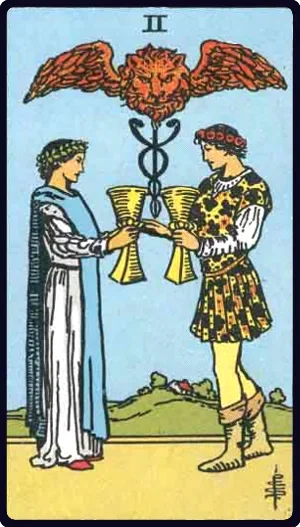
For "What helps?", Two of Cups suggests seeking mutual understanding and cooperation with your colleague. Offering a compromise or combining your ideas could help you return to the shared task.
For "What gets in the way?", Five of Swords represents the urge to win the argument at any cost. Insisting on being right while ignoring your colleague's interests could damage the relationship and complicate the project. Returning to the shared goal may help.
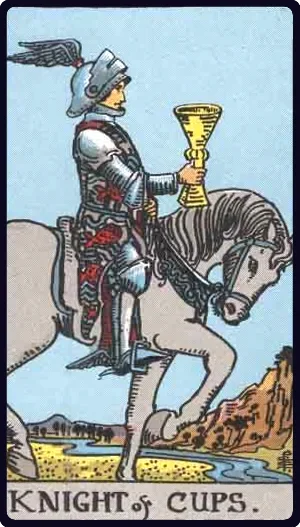
For "What should I do?", Knight of Cups advises beginning calmly, offering help, and listening to your colleague's concerns without judgment. You could invite them for coffee to discuss responsibilities informally and look for an agreement.
Card of the Day
Upright position.
Upright, the Five of Swords warns of a day where quarrels, arguments, and clashes are likely. Someone may try to provoke you or push a conflict your way, and small annoyances will grate. Try not to get pulled into disputes and not to make important decisions in the heat of the moment.
- What kind of victory might I achieve today that would cause more harm than good?
- How can I avoid unnecessary arguments or irritation from small annoyances?
- Am I willing to damage relationships today just to be right?
Reversed position.
Reversed, the card promises a day of reconciliation and easing tension. A chance arrives to settle an old falling-out or to apologize to someone you hurt. It is a good time to release a grievance and restore peace in your relationships.
- What old disagreement can I settle or resolve today?
- To whom can I apologize to restore peace in a relationship?
- Which grievance am I ready to release to ease tension?
Card Advice
Upright position.
Upright, the card advises you to weigh the cost of the fight before you step into it. Consider what you stand to lose even in victory, and do not wreck a relationship for the sake of being right in the moment. Sometimes it is wiser to yield than to win at any cost.
Reversed position.
Reversed, the advice is to lay down your weapons and reach for reconciliation. Own your mistakes, release the grievance, and stop carrying an old feud inside you. Peace of mind is worth more than any argument won.
Card Symbolism
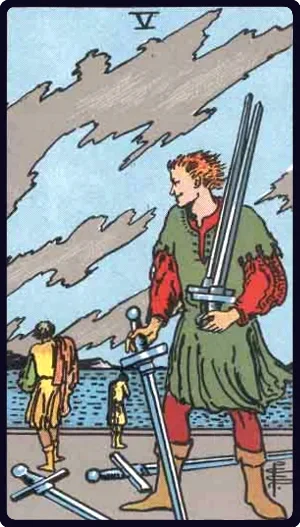
In the classic Rider-Waite deck, the Five of Swords shows a young man on a barren hill, gathering the swords of opponents he has bested. A smug, contemptuous smile plays on his face. Behind him, two figures walk away with bowed heads and slumped shoulders, defeated and dejected. Five swords lie about him, some planted in the ground, others abandoned on the grass. Jagged clouds race across a turbulent sky.
The victor's smirk is a triumph that brings no joy. He has claimed his rivals' weapons, yet he stands alone, with no one to share the win. The retreating figures speak of broken bonds and the cost of conflict, a price both sides pay. The stormy sky carries the tension still hanging in the air, the unspoken bitterness left behind once the fight is over.
The Five of Swords belongs to the element of Air, the suit of thought, words, and conflict. The number five in tarot carries the energy of crisis and disrupted balance. Within the Swords, it marks a clash won by force or cunning, where no one truly walks away the winner.
The victor's stance is central to the card's message. He looks on the departing figures with superiority, but behind him there is only an empty hill and the wind. The card captures the moment when a person wins the argument yet loses the relationship, the trust, or their own peace of mind. The victory turns out to be hollow, and the swords in his hands settle nothing.
Combinations With Other Cards
Major Arcana
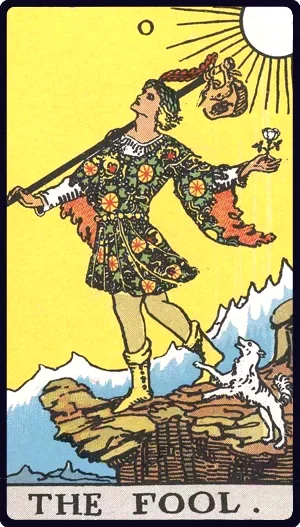
- The Fool · carelessness leads to a needless quarrel
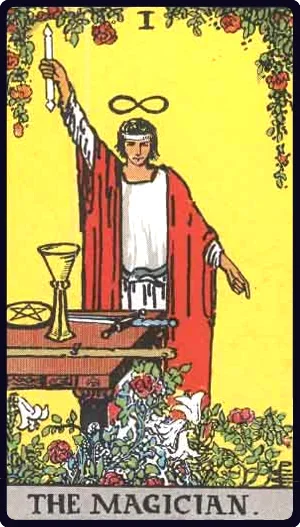
- The Magician · a clever ploy in an argument backfires
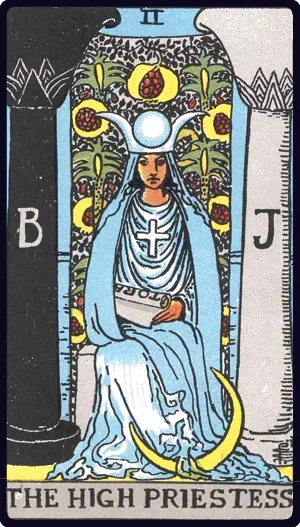
- The High Priestess · an unspoken cause lies behind the conflict
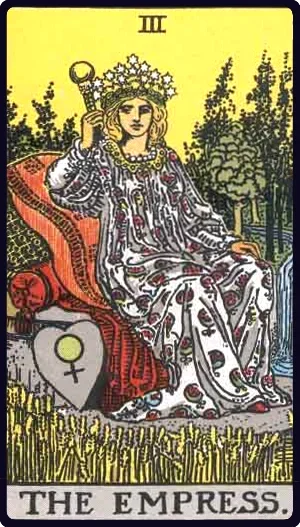
- The Empress · gentleness helps defuse the hostility
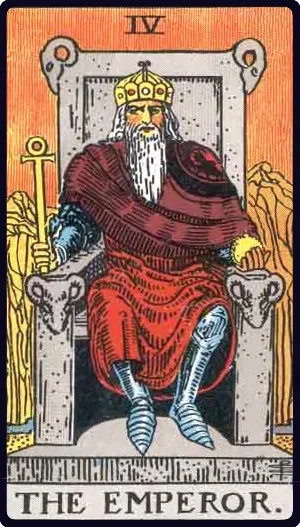
- The Emperor · a struggle for power and control
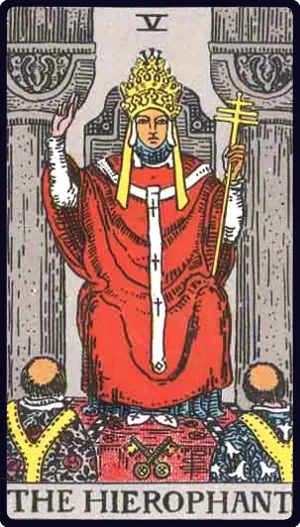
- The Hierophant · a dispute over principles and beliefs
- The Lovers · discord and reproaches in a relationship
- The Chariot · victory at any cost leaves you alone
- Strength · restraint matters more than proving a point
- The Hermit · withdrawal from conflict into solitude
- Wheel of Fortune · a run of quarrels is about to turn
- Justice · an unfair win brings consequences
- The Hanged Man · it helps to see the dispute differently
- Death · the close of a draining standoff
- Temperance · reconciliation through compromise
- The Devil · a dependence on feuding and revenge
- The Tower · conflict shatters the established order
- The Star · hope for peace after a quarrel
- The Moon · intrigue and deceit muddy the situation
- The Sun · the conflict resolves for the better
- Judgement · time to admit fault and make peace
- The World · the end of hostility and a return to calm
Wands
- Ace of Wands · a flash of anger ignites a dispute
- Two of Wands · a struggle for influence and control
- Three of Wands · rivalry gets in the way of plans
- Four of Wands · a quarrel disrupts a celebration or peace
- Five of Wands · open clash escalates into discord
- Six of Wands · the win comes at the cost of enemies
- Seven of Wands · you must defend against attacks
- Eight of Wands · sharp words speed a breakup
- Nine of Wands · weariness from constant defense
- Ten of Wands · the burden of conflict weighs on you
- Page of Wands · a provocation from someone young or new
- Knight of Wands · a hot temper fuels hostility
- Queen of Wands · confidence tips into pressure
- King of Wands · a domineering rival forces a fight
Cups
- Ace of Cups · reconciliation restores warm feelings
- Two of Cups · a truce rebuilds the bond
- Three of Cups · a quarrel within a circle of friends
- Four of Cups · resentment closes you off to peace
- Five of Cups · loss following a quarrel or defeat
- Six of Cups · an old grievance carries over from the past
- Seven of Cups · the illusion of victory instead of a real one
- Eight of Cups · walking away from a draining conflict
- Nine of Cups · self-satisfaction after a contested win
- Ten of Cups · a quarrel disturbs the family peace
- Page of Cups · a timid attempt to make peace
- Knight of Cups · an offer of peace after discord
- Queen of Cups · compassion helps cool the hostility
- King of Cups · wisdom holds you back from a needless fight
Swords
- Ace of Swords · a blunt truth sharpens the conflict
- Two of Swords · refusing to take a side in the dispute
- Three of Swords · a quarrel turns into heartbreak
- Four of Swords · rest is needed after the clash
- Six of Swords · a passage from conflict to calm
- Seven of Swords · deceit and intrigue in the struggle
- Eight of Swords · a sense of being trapped by hostility
- Nine of Swords · anxiety and sleepless nights after a quarrel
- Ten of Swords · the conflict reaches a bitter end
- Page of Swords · cutting words ignite a dispute
- Knight of Swords · force and aggression in the clash
- Queen of Swords · a cold rebuff to a rival
- King of Swords · a calculated victory in the argument
Pentacles
- Ace of Pentacles · a dispute over money or gain
- Two of Pentacles · trying to hold balance amid discord
- Three of Pentacles · friction within a working team
- Four of Pentacles · greed feeds the conflict
- Five of Pentacles · losses amid an unfair fight
- Six of Pentacles · a dispute over a fair share
- Seven of Pentacles · the struggle did not repay the effort
- Eight of Pentacles · rivalry interferes with the work
- Nine of Pentacles · independence at the cost of solitude
- Ten of Pentacles · a quarrel over inheritance or family
- Page of Pentacles · a dispute stalls a new venture
- Knight of Pentacles · stubbornness drags out the standoff
- Queen of Pentacles · care smooths the rough edges
- King of Pentacles · cool calculation ends the feud
Your Birth Card

Everyone has cards that walk with them through life. Enter your date of birth to meet yours: one speaks of your character, the other of what your soul is seeking.