Yes or No Tarot: Answers for All 78 Cards
Which tarot cards mean yes and which mean no: all 78 cards grouped by answer, how to read reversed cards, a three-card method and example questions.
A yes or no question is the quickest way into tarot. You ask one thing, draw one card and see the direction straight away. Below, all 78 cards are sorted into five answers, from a confident yes to a firm no. Every card links to its own page, where the answer is explained in more depth.
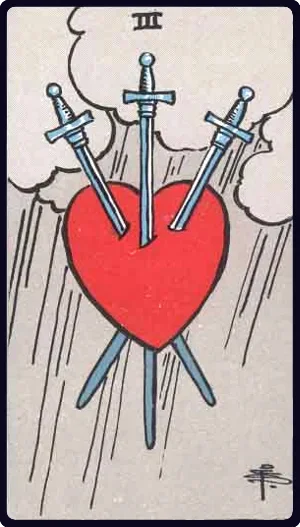
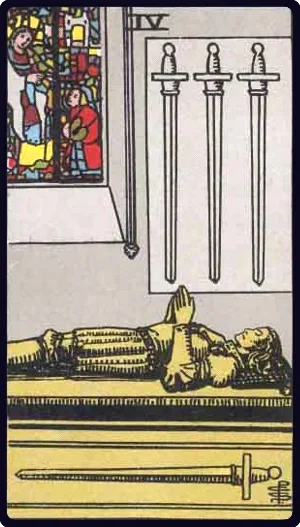
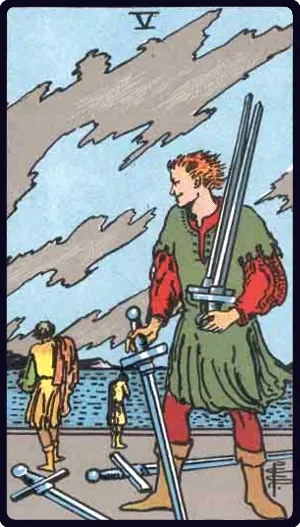
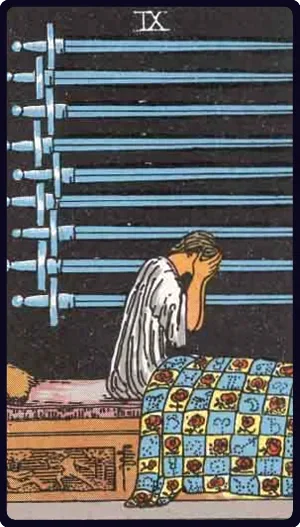
The deck leans towards yes. More than half of the cards give a positive answer, and that is no accident. Cups and Wands speak of feelings and momentum, so they usually back what you have in mind. Swords warn about difficulty more often than any other suit, and that is where the hardest no cards live.
Answer: Yes 42
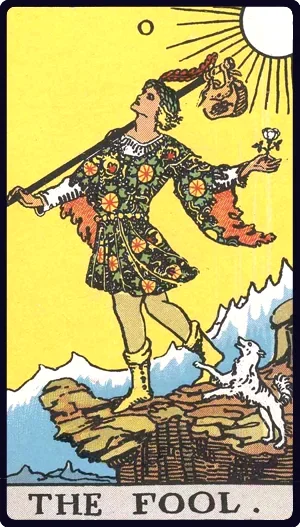
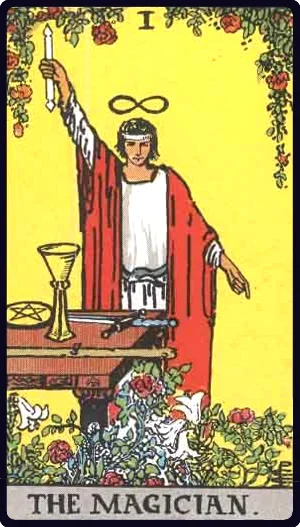
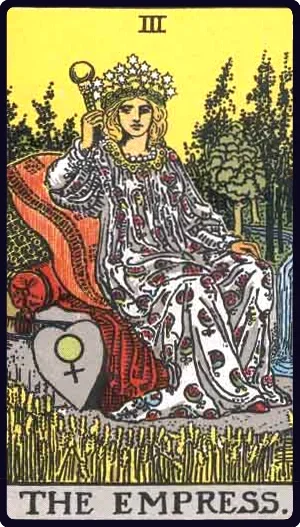
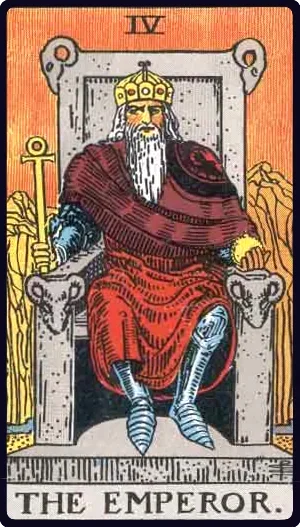
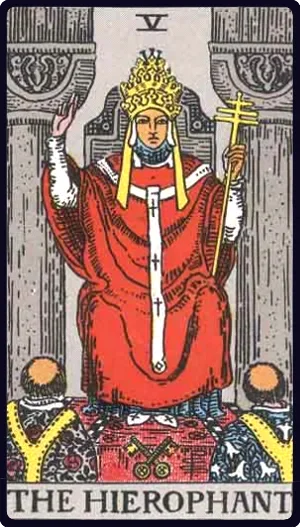
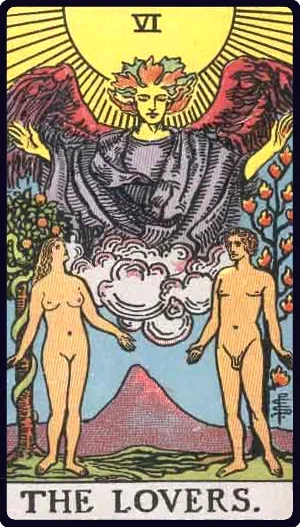
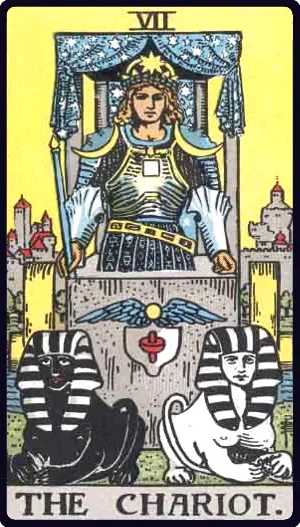
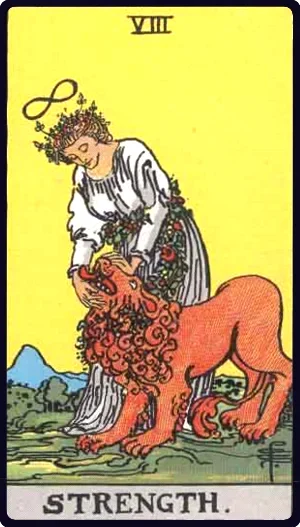
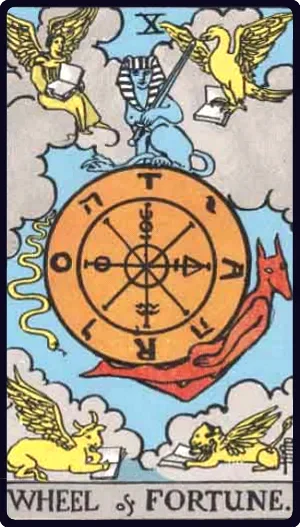
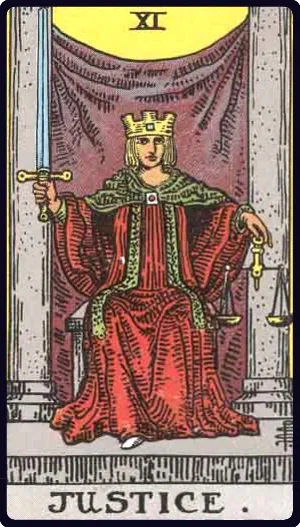
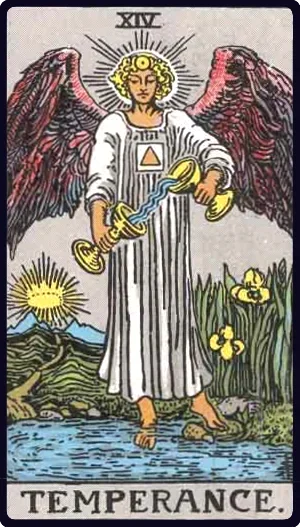
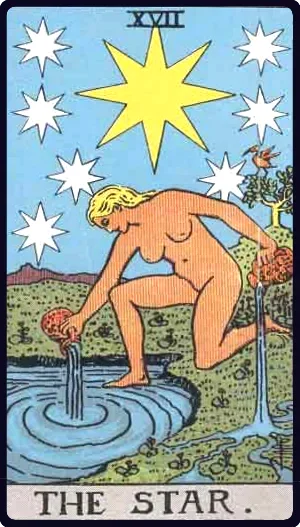
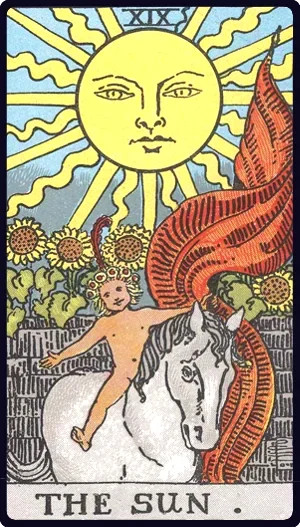
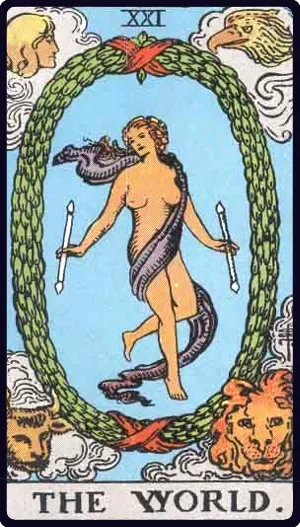
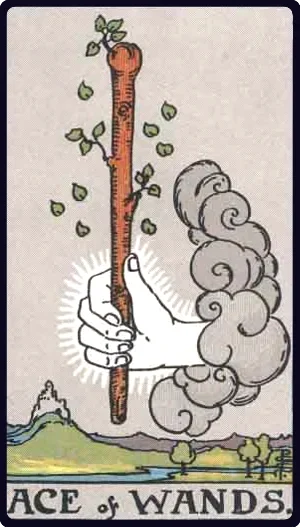
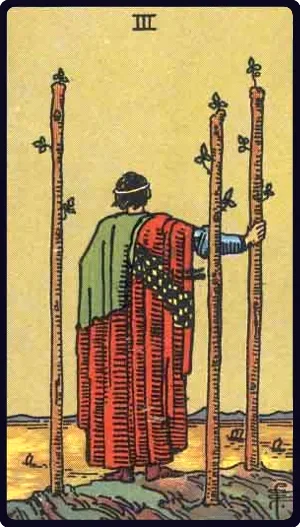
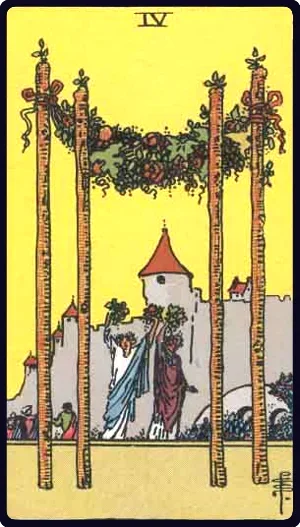
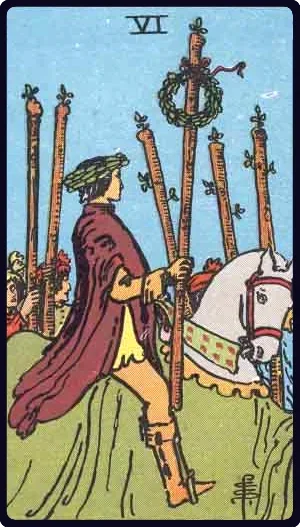
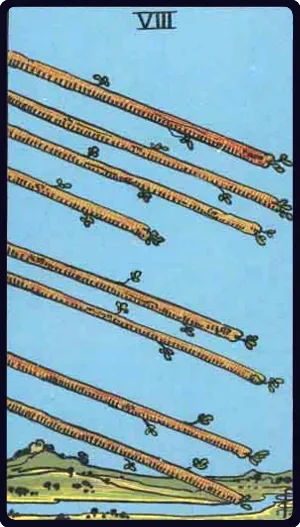
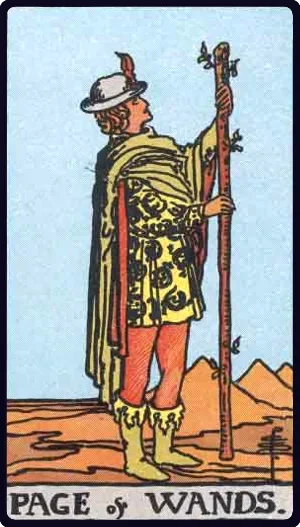
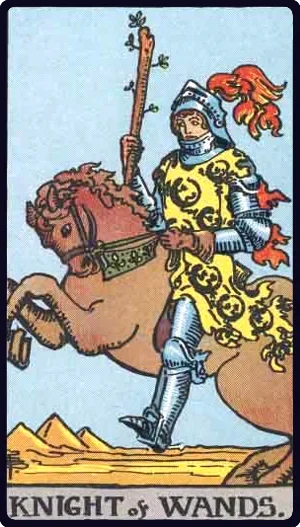
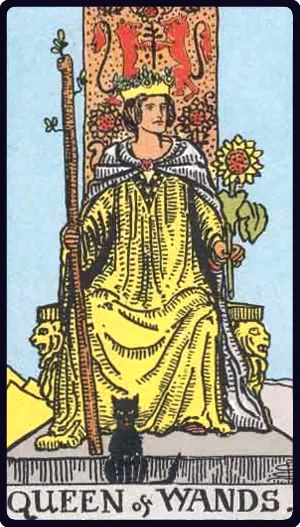
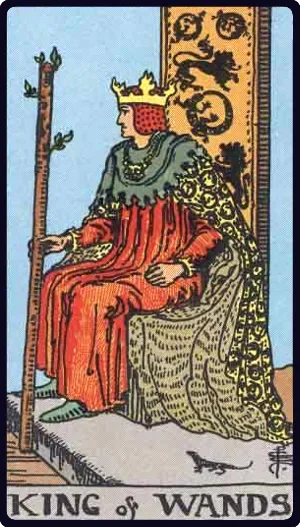
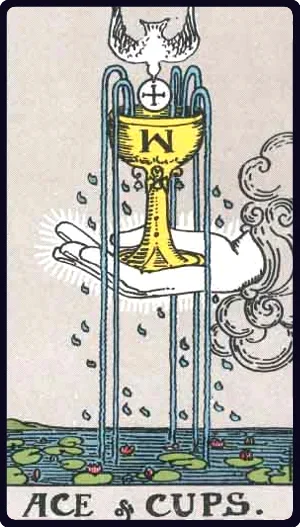
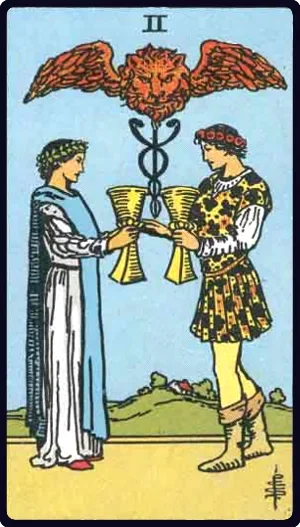
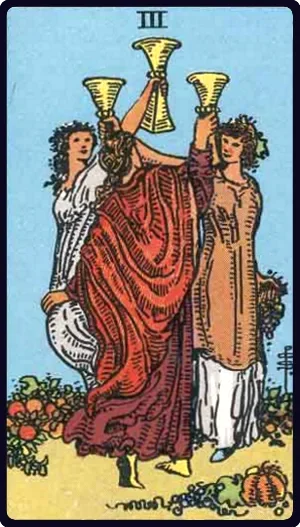
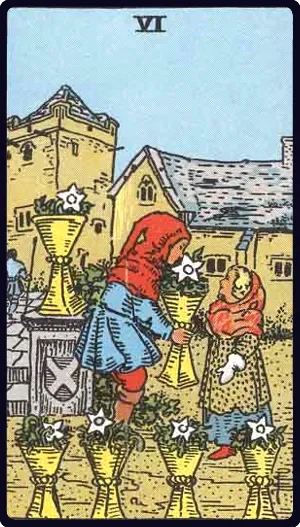
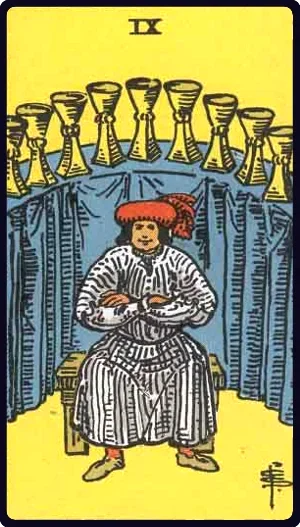
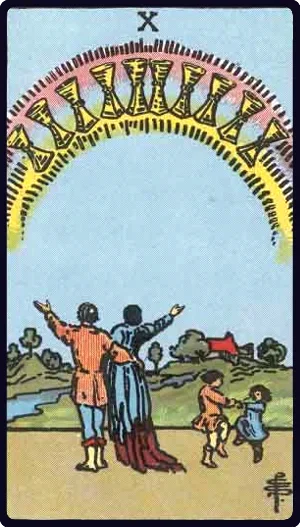
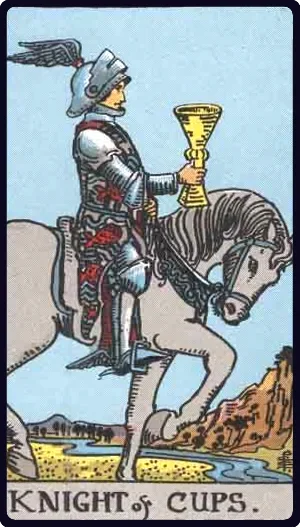
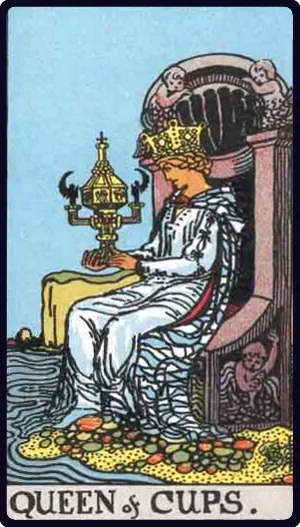
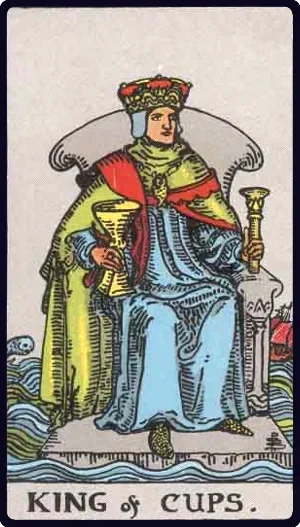
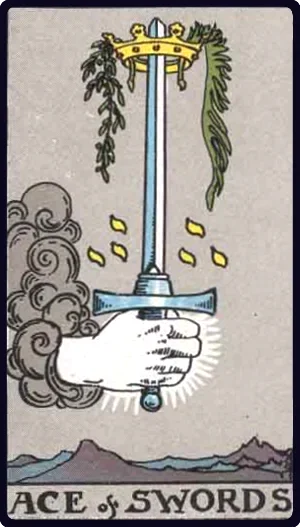
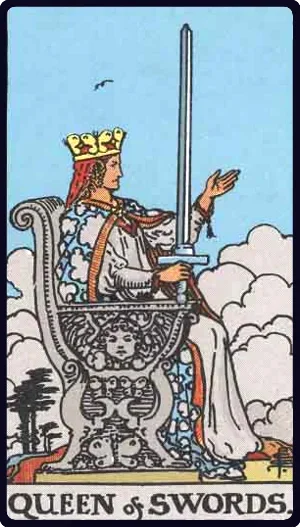
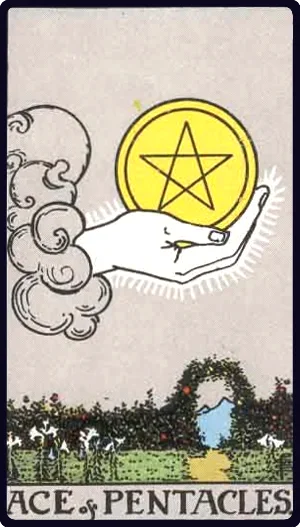
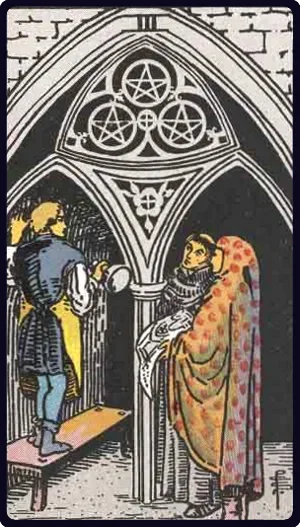
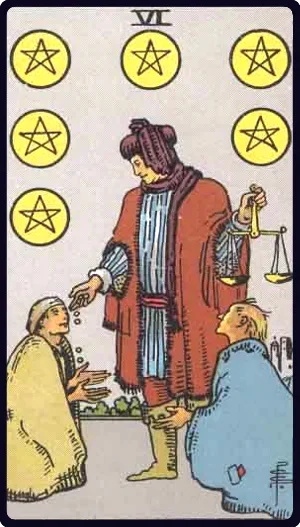
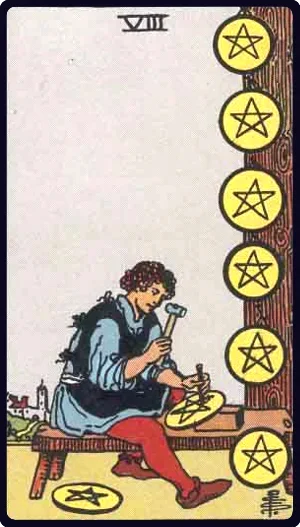
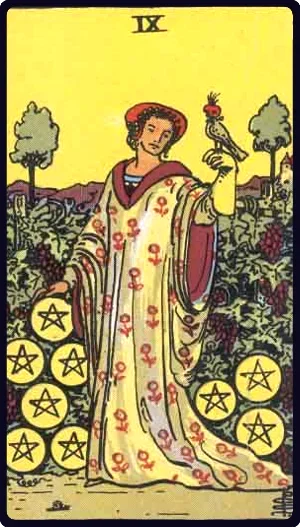
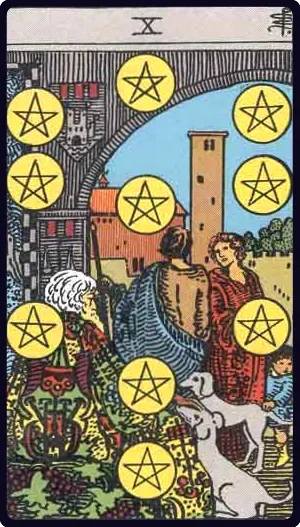
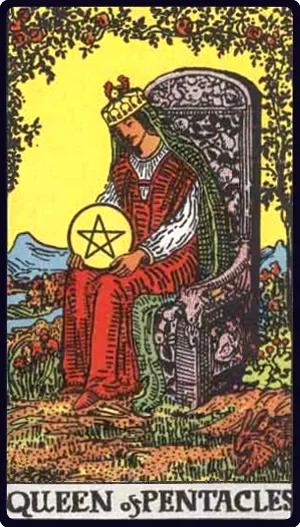
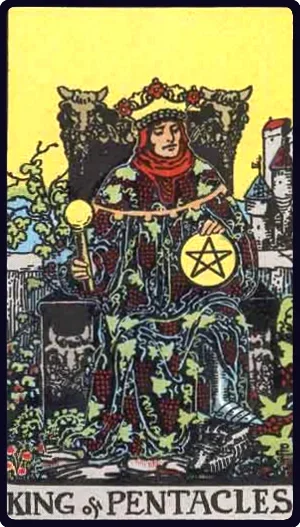
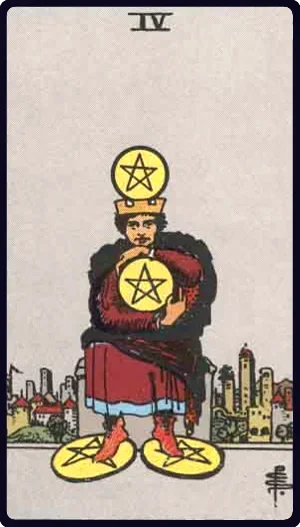
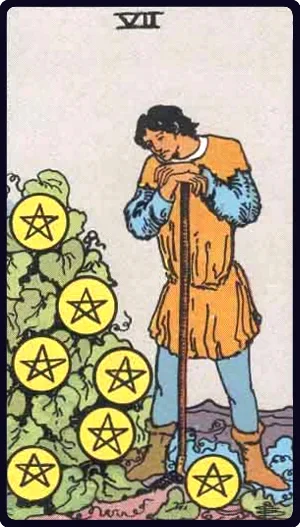
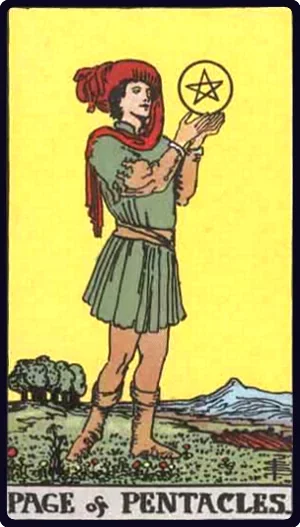
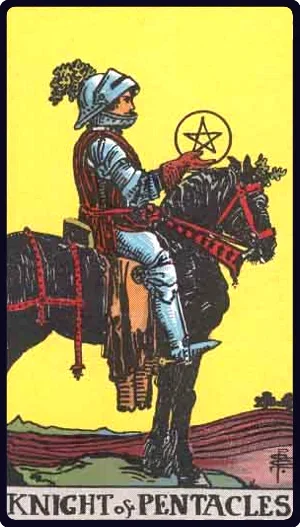
Answer: Likely yes 14
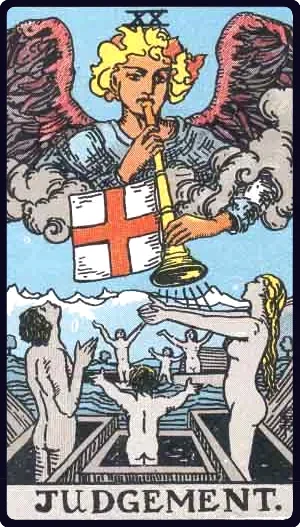
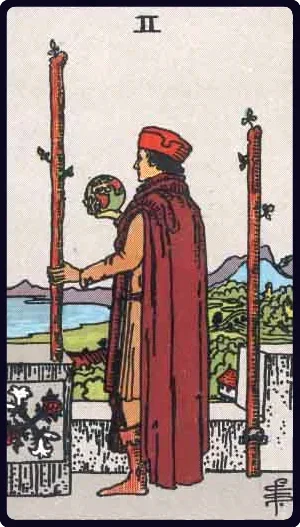
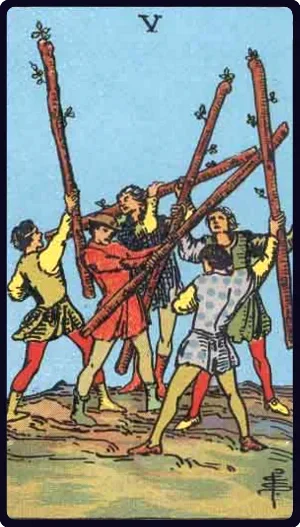
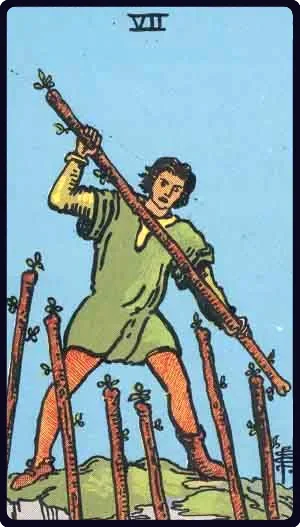
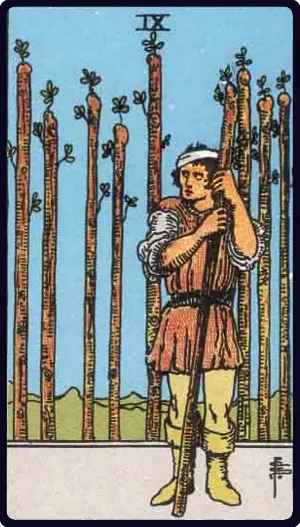
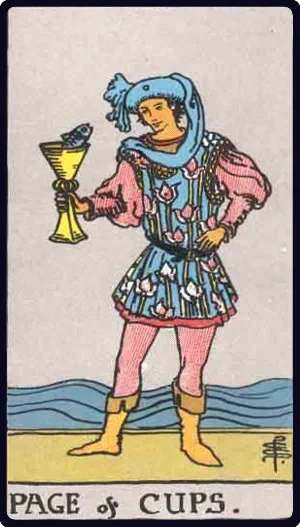
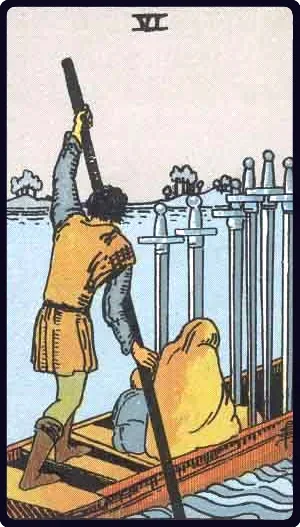
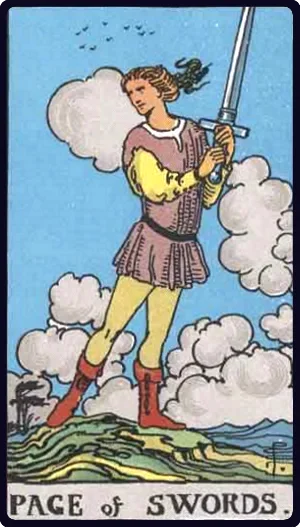
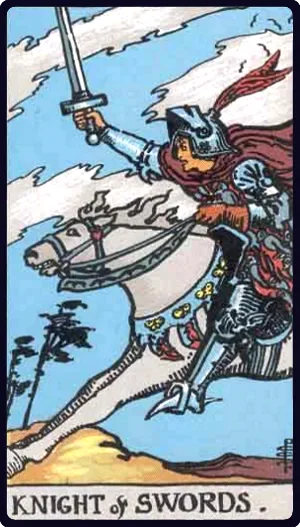
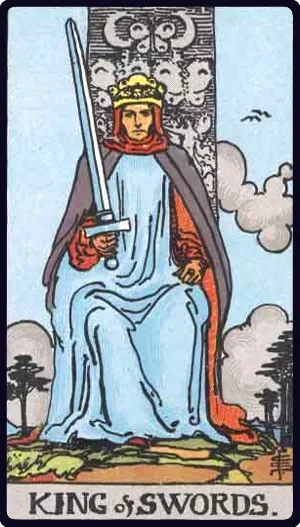
Answer: Neutral 1
Answer: Likely no 10
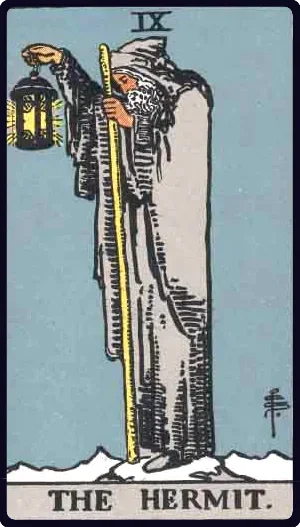
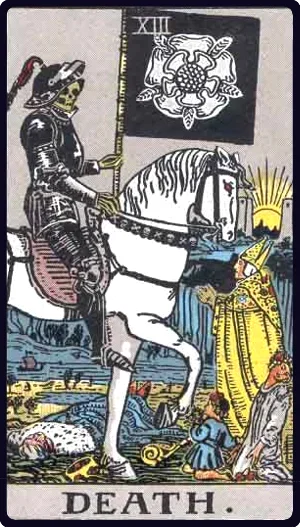
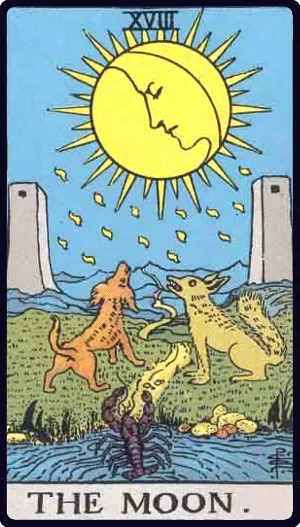
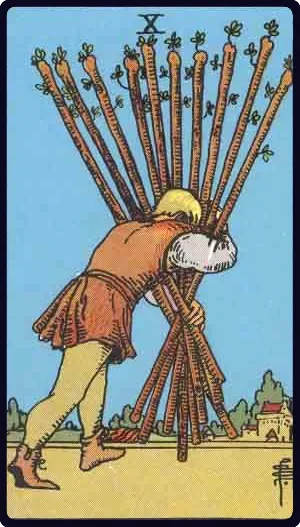
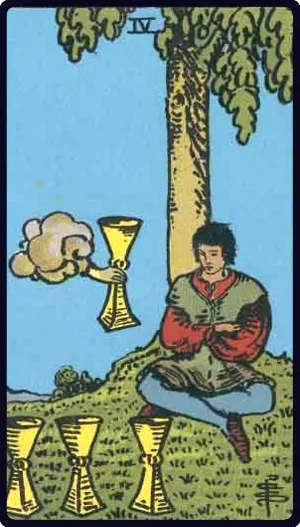
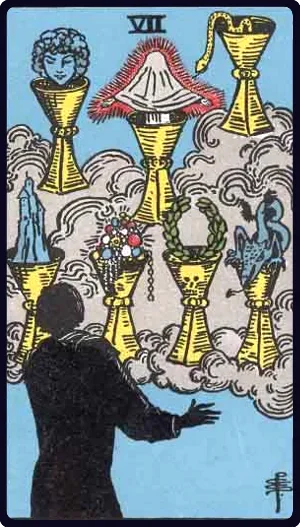
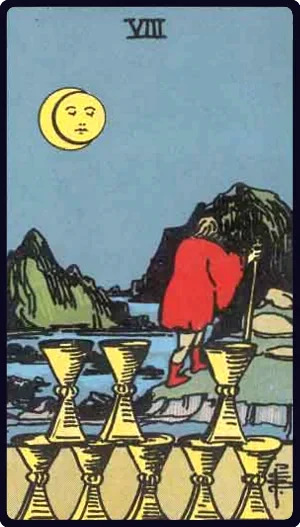
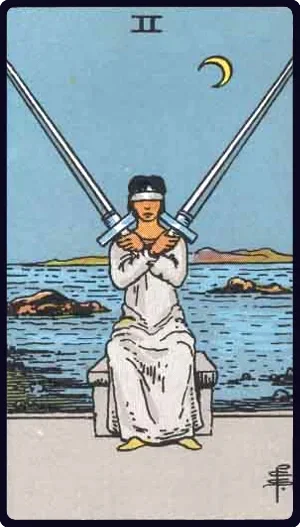
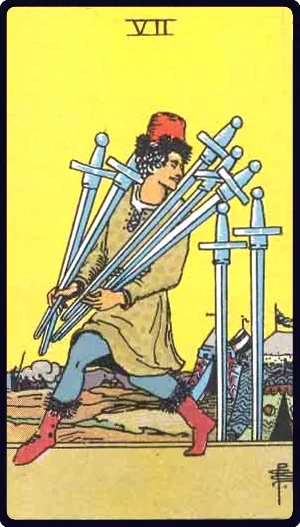
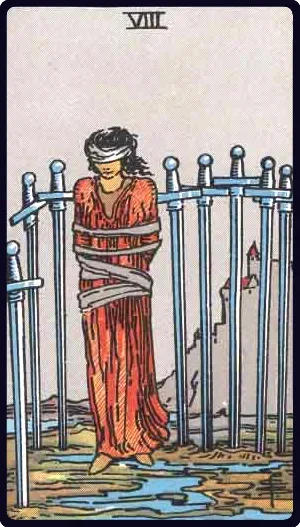
Answer: No 11
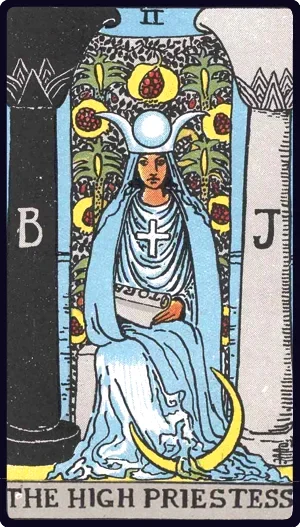
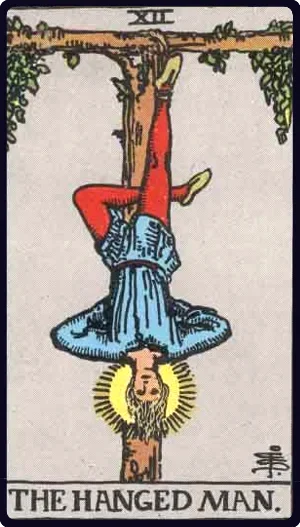
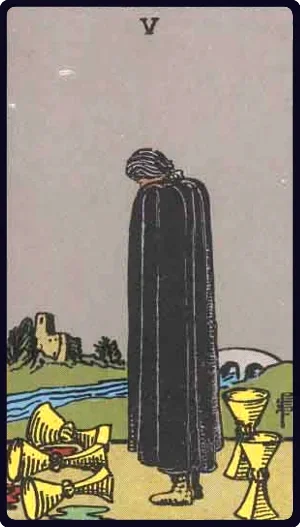
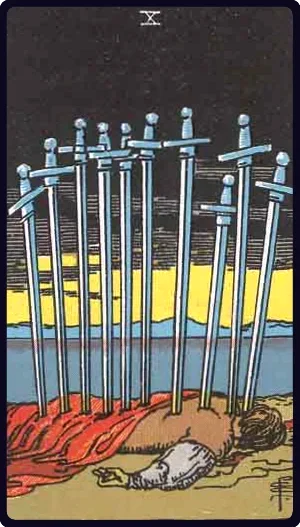
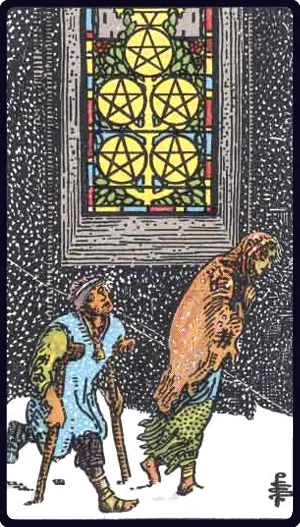
How a Yes or No Reading Works
Everything rests on a single card. Shuffle while you hold the question in mind, then draw from anywhere in the deck. Its upright answer is shown in the groups above, and the card's story tells you why. The Wheel of Fortune, for example, says yes because circumstances are turning in your favour.
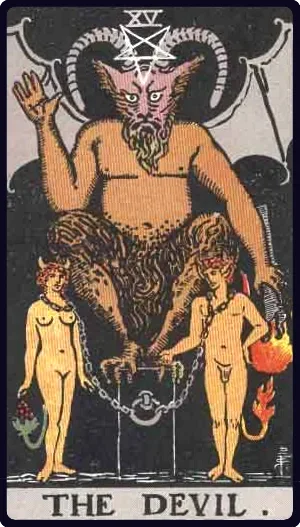
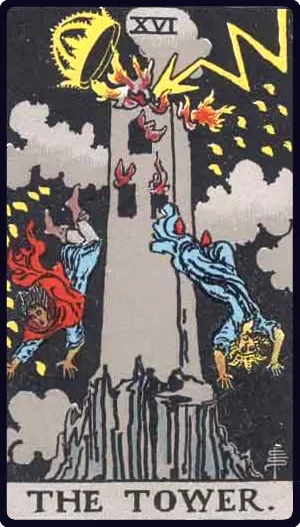
The strongest yes cards are The Sun, The World and The Star. The firmest no comes with The Tower, the Ten of Swords and The Devil. If one of these turns up, there is little room for doubt.
"Likely yes" and "likely no" mean the outcome is not fixed yet. The card shows which way things lean but leaves space for your own choices. Death answers "likely no" when you ask whether something old will last, yet it clears the way for something new.
No deck to hand? Ask online with a yes or no tarot reading. The site draws the card, and this page tells you what it means.
How to Phrase Your Question
A good tarot question is about one event and has a time frame. The card answers what you asked, not what you meant, so compare these:
- "Will everything be fine?" is too broad. Try "Will I get the promotion before the end of the year?"
- "Does he love me and will he come back?" is two questions. Split them and draw a card for each.
- "Shouldn't I skip the trip?" is muddled by the negative. Ask directly: "Should I go on this trip?"
Ask when you are calm. If you draw in a panic and already expect a particular answer, any card will feel wrong.
Reversed Cards
The groups show upright answers. Readers handle reversals in different ways, and what matters most is picking one method and sticking to it.
The simplest option is to ignore reversals altogether and read every card upright. For yes or no questions, that is usually enough.
The second option softens the answer. A reversed yes becomes "likely yes" or "yes, but later", and a reversed no eases into "not yet". This works well for questions about timing.
The third option flips the answer entirely, so an upright yes becomes a no and the other way round. It gives sharp answers and suits readers who like things clear-cut.
The Neutral Card
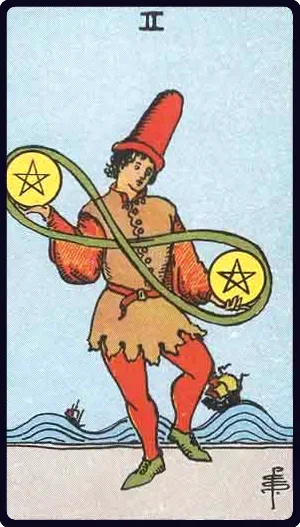
Only one card in the deck gives a neutral answer: the Two of Pentacles. It shows someone juggling two things without having chosen yet. That answer is more honest than it looks. The outcome depends on how you balance your energy, and right now both paths are open.
Don't draw a second card straight away to "check". Rephrase the question instead, add a time frame or a specific action, and ask again in a few days.
Three-Card Yes or No Spread
If one card isn't enough, draw three and count the answers. Two or three cards on the yes side give a positive result, and two or three on the no side give a negative one. Count "likely yes" as half a yes and "likely no" as half a no.
You can also read the three cards by position. The first shows what helps, the second gives the main answer and the third points to what gets in the way. That way you get the verdict and a sense of what it depends on.