Five of Wands — Tarot Card Meaning
- Upright
- Competition, conflict, tension, challenge, ambition
- Reversed
- Avoidance, inner conflict, pointless quarrels, tension release
- Yes/No
- Likely yes (Reversed: Neutral)
- Correspondences
- Element Fire
Upright Meaning
Upright, the Five of Wands speaks of rivalry and lively opposition. People with their own ambitions have gathered around you, and each one wants to stand out. This might be a competition, a tender, a sporting contest, or simply a work team where opinions collide. There is plenty of energy here, but it has not yet been channeled in a single direction.
The card suggests that the friction is useful. It tests your strength and forces you to focus. Rivals raise the bar, and to come out ahead you will need to give your best. Victory is real, but it does not come for free; it is earned through persistence and a willingness to defend your position.
Sometimes the Five of Wands describes inner discord, when several desires pull you in opposite directions at once. In that case it helps to sort out your priorities before you take on the world outside. Chaotic struggle for its own sake wears you down, while conscious, focused competition moves you forward.
Reversed Meaning
Reversed, the card changes its tone. Healthy competition curdles into squabbles and intrigue. Aggression appears that misses the point entirely, a wish to wound rather than to reach agreement. Arguments are no longer about the matter at hand but about principle, and a great deal of energy is spent with nothing to show for it.
The reversed Five of Wands warns of foul play. Someone is crossing boundaries, acting behind your back, or trying to profit from a conflict that is not theirs. There may be manipulation, gossip, and attempts to set people against one another. At its worst, the card points to rudeness and broken rules.
This position also has a gentler side. Sometimes the reversed card means the storm is finally dying down. The parties are tired of fighting and ready for a truce; the conflict loses its heat and fades. To judge which meaning applies, look at the surrounding cards and the situation itself.
Love and Relationships
Upright position.
Within a couple, the Five of Wands often describes a fiery, passionate relationship where partners argue yet never grow cold toward each other. The quarrels are really a way to let off steam and arrive at a new agreement. If your partner keeps avoiding the conversations that matter, the card nudges you to bring the issue into the open, even if the talk gets heated.
For singles, the card promises the attention of several admirers at once. A little rivalry may spring up around you, with two people competing for your favor. It is flattering, but it calls for clarity: decide what you actually want rather than fanning the competition just for the thrill of it.
Reversed position.
The reversed card points to arguments that have lost their meaning. Partners bicker out of habit, no longer hearing each other, and each one digs in. The phrase "much noise and little sense" fits well; the conflict is full of energy but produces no solutions, because the goal stopped being understanding and became winning.
In difficult spreads this is a sign that the differences have gone too far and threaten a breakup. In others it works the opposite way: after a long stretch of fighting the couple runs out of steam and finds its way to reconciliation. The card advises looking for common ground instead of proving who is right at any cost.
Feelings, Thoughts and Intentions
Upright position.
This card shows a state of healthy excitement and rivalry. A person might feel a surge of energy from competition, a desire to test their strength, prove their point, or simply stand out. This isn’t necessarily anger, but a sporting interest and readiness for an active dialogue that might seem heated.
Feelings. Energy is stirring inside; there’s interest in another person, but it’s tinged with a competitive spirit. This could be playful flirtation with elements of contest or irritation from clashing wills. The person feels engaged and invested, but not at peace.
Thoughts. The mind is focused on strategy and tactics. The person considers how to defend their position, what arguments to use, and how to outmaneuver rivals. They constantly compare themselves to others, assessing strengths and weaknesses. Their thoughts revolve around resolving the current conflict.
Intentions. The intention is to act: to enter the debate, accept the challenge, or join the competition. The person doesn’t plan to stay on the sidelines; they’re ready for active engagement, even if it leads to a clash. The goal isn’t to destroy but to test themselves and their ideas.
Reversed position.
Feelings turn more destructive. A dull irritation arises, along with fatigue from endless arguments and resentment. Healthy competitive spirit shifts to a desire to sting or insist on being right out of principle. Sometimes it signals emotional burnout and apathy, when there’s no strength left to fight and all one wants is for it to end.
Career and Work
Upright position.
At work the Five of Wands describes a competitive environment where you need to prove yourself. It is a good moment for a presentation, the defense of a project, a tender, or an interview with many candidates. The card favors those who can stand up for their ideas and are not afraid of open debate. In sales, negotiation, and any public-facing profession, this energy works in your favor.
Sometimes the card points to friction within a team where everyone has a different vision. That is not a disaster but a working reality. Channel the clash of opinions into the task and strong solutions emerge. The key is to keep the discussion from turning into a personal war.
Reversed position.
Reversed, the card reveals intrigue and behind-the-scenes maneuvering. Colleagues pull the blanket toward themselves, motivation drops, and common ground is hard to find. Conflicts grow excessive and pointless, and the working day drains away on disputes rather than on getting things done. Sometimes it is a signal to step out of other people's games and concentrate on your own task. In other cases it hints at a thoughtful reorganization, when a team finally restores order after a spell of chaos.
Try our readings
Finances
Upright position.
In money matters the Five of Wands speaks of income you have to fight for. A raise, a bonus, or a new contract will come through competition and active effort. The money is there, but it does not arrive on its own; it is a reward for the work you put in. A good sign for anyone ready to stand firm on their price.
Reversed position.
The reversed card often means financial tension is easing and money disputes are being settled. A clear strategy for managing the budget takes shape. On the other hand, it can point to disagreements over money within a family or partnership, so large sums are best discussed in advance.
Health
Upright position.
The card is tied to activity and a surplus of energy. This is a fitting time for sport, movement, and physical exertion that helps release built-up tension. The body sends its signals, and it is wise to listen to them right away rather than putting things off.
Reversed position.
Reversed, the Five of Wands warns of burnout and stress. Constant struggle drains you; irritability and a loss of strength set in. The card advises against ignoring ailments or delaying a visit to the doctor, since a small problem risks dragging on if it is left unattended.
In a Situation or Question
Upright position.
When the card falls on a specific question, it describes an atmosphere of rivalry and active movement. Passions run high around you, interests collide, and you are expected to be decisive. The situation calls for engagement and strategy, not passive waiting. The Gordian knot is better untangled than cut in haste.
Reversed position.
The reversed card hints that the struggle has reached a dead end or is being fought unfairly. There may be empty fuss, intrigue around you, and attempts to drag you into someone else's conflict. It is worth checking the facts and not taking everything at face value. Sometimes the wisest move is to step aside and spend no strength on a meaningless quarrel.
Reading the Card by Question
If the question is about achieving a goal, the card points to the need for struggle; if it’s about harmony, it shows its absence.
Why did this happen? | |
|---|---|
| UprightDifferent interests and ambitions clashed, creating healthy competition that requires active effort and proving one’s case. | ReversedPetty disagreements escalated into meaningless quarrels and intrigues; the parties stopped listening to each other. |
What gets in the way? | |
|---|---|
| UprightLack of a unified vision, too many arguments, and chaotic actions. Energy is scattered on infighting instead of collaboration. | ReversedFoul play, behind-the-scenes intrigue, and unwillingness to compromise. The conflict became an end in itself. |
What helps? | |
|---|---|
| UprightChanneling collective energy into a constructive outlet. Organizing a fair competition or open discussion to find the best solution. | ReversedEnding the pointless argument and stepping away from the conflict. Sometimes you just need to step aside to save your strength. |
What should I do? | |
|---|---|
| UprightDefend your position with solid arguments and respect for opponents. Accept the challenge and compete. | ReversedAvoid squabbles and intrigues. Focus on your tasks, ignore provocations, or seek a truce. |
How might this turn out? | |
|---|---|
| UprightVictory through a fair fight or a productive compromise. The result will require effort and persistence. | ReversedComplete exhaustion with no result, leading to mutual resentment. Or, at best, a truce born of fatigue. |
Example Reading
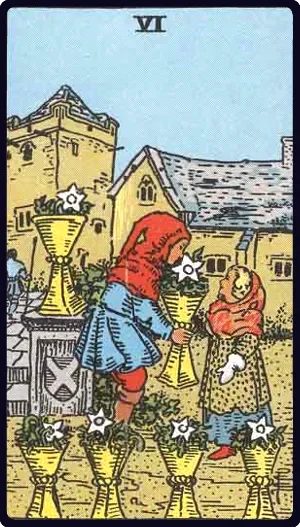
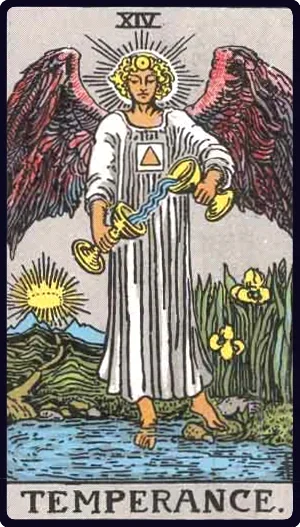
For this example, we’ll use “Decision Making”. You and a colleague are working on an important project, but you constantly argue about the methods, which is delaying progress. You are leaning toward accepting their approach just to finish, but you feel resistance. All three cards in this example are upright.
The Six of Cups in the "What helps?" position suggests remembering how you worked together when agreement came more easily. That experience may help restore goodwill. Wanting to preserve the relationship alone, though, does not settle the disagreement about the project.
The Five of Wands in the "What gets in the way?" position reflects competing ideas. Discussion drags on while each person defends their own method. The debate may contain useful suggestions if you give each other room to speak and try to combine your approaches.
Temperance in the "What should I do?" position recommends a patient search for compromise. Try a brainstorming session: each of you explains your approach, then you look for common ground together. You may find a third method that uses the strengths of both proposals.
Card of the Day
Upright position.
Upright, the Five of Wands promises an active, eventful day. Small tests await you, a debate over an idea, or the need to hold your ground. Act with a clear head, look for allies, and do not rise to provocations. Healthy competition will spur you on today and bring out your best qualities.
- How can I thoughtfully stand my ground in a discussion today?
- What healthy competition today could bring out my best qualities?
- Where can I seek allies to navigate a challenge today?
Reversed position.
Reversed, the card advises more caution. The day may pass in empty bickering and fuss. Someone could try to manipulate you or stir up conflict out of nothing. Check the facts, keep your emotions in check, and steer clear of arguments that give you nothing in return.
- What empty bickering should I avoid getting drawn into today?
- Am I checking facts before reacting to potential conflict today?
- Is this argument worth my energy, or should I disengage?
Card Advice
Upright position.
Upright, the card advises you not to dodge the struggle but to enter it with a cool head. Competition is useful when you can see the goal and act strategically. Line up support, pick your moment, and defend your position without aggression. Spontaneous lunges hurt you here; the one who plans their steps comes out ahead.
Reversed position.
Reversed, the advice is different: stop and weigh whether the quarrel is worth your energy. Do not let yourself be drawn into other people's intrigues, and do not blow small disagreements out of proportion. Sometimes the best victory is leaving a conflict in time and saving your strength for what truly matters.
Card Symbolism
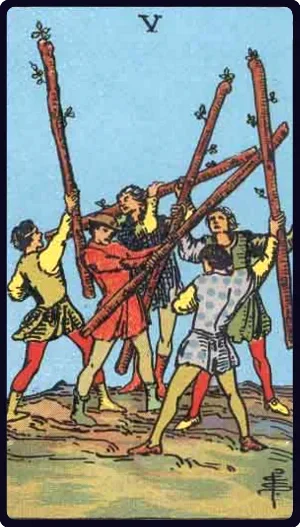
The Five of Wands shows five young men brandishing staves in what looks like a tangled scuffle. No one strikes a real blow, yet there is no order either; each person pulls in a different direction. The wands are raised high, and from a distance it is hard to tell whether these people are fighting or building something together. That ambiguity sits at the heart of the card.
Every Five disturbs the stability of the Four before it. In the suit of Wands, the realm of Fire and active drive, that disruption becomes a clash of personalities and ambitions. Each figure chases a goal of their own and refuses to back down, so a noisy struggle erupts over attention, resources, or simply who is right.
This is not a card of war or a sign of disaster. It speaks of competition where you have no true enemies, only rivals. Debate, contest, the defense of your interests, the push and pull inside a team where everyone holds a different view. The Five of Wands tells you that the road to your goal runs through resistance, and that the struggle itself can sharpen your skills and push you to grow.
Combinations With Other Cards
Major Arcana
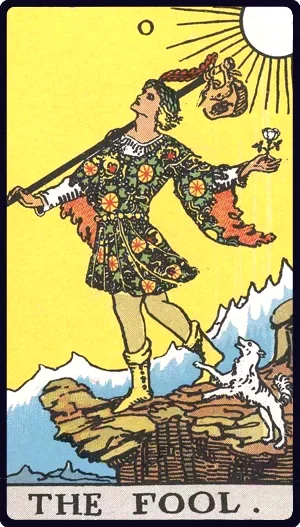
- The Fool · a rash quarrel, conflict for the thrill of it
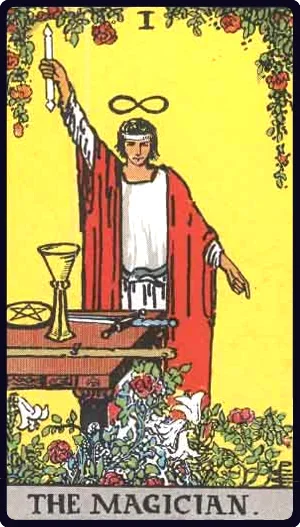
- The Magician · a contest won by cunning and persuasion
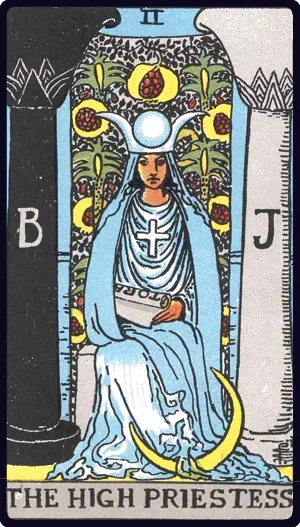
- The High Priestess · hidden rivalry, intrigue behind your back
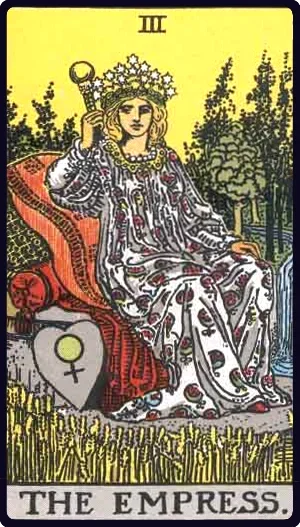
- The Empress · a dispute over resources or family influence
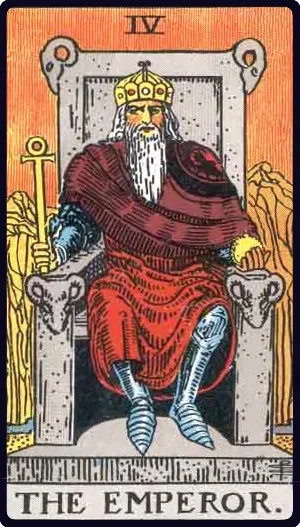
- The Emperor · a fight for power and control, a rigid hierarchy
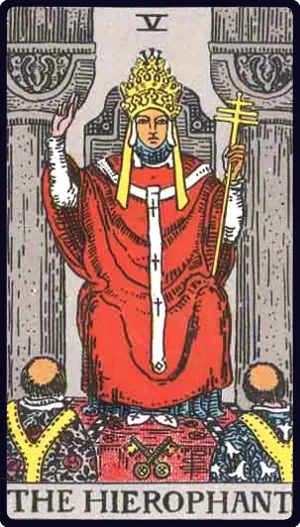
- The Hierophant · conflict with rules or authority
- The Lovers · rivalry in love, a choice between suitors
- The Chariot · victory in competition through will and drive
- Strength · a dispute where composure wins the day
- The Hermit · stepping away from a needless fight, a pause in conflict
- Wheel of Fortune · a sudden turn in the contest
- Justice · truth born from open debate
- The Hanged Man · a drawn-out conflict, a stalemate
- Death · the end of a struggle, the close of an old rivalry
- Temperance · seeking compromise instead of a quarrel
- The Devil · unhealthy competition, fighting on principle
- The Tower · an abrupt break after long conflict
- The Star · reconciliation, hope after a quarrel
- The Moon · hidden intrigue, unclear motives among rivals
- The Sun · victory over competitors, well-earned success
- Judgement · a reassessment of the struggle, review of past conflicts
- The World · the end of the contest, recognition of merit
Wands
- Ace of Wands · a spark of drive, the start of a new clash
- Two of Wands · a dispute over which path and strategy to take
- Three of Wands · competition within a long-term project
- Four of Wands · a truce, a celebration after the struggle
- Six of Wands · triumph, victory over rivals
- Seven of Wands · defending your position under pressure
- Eight of Wands · a swift escalation of conflict
- Nine of Wands · weariness from a drawn-out fight
- Ten of Wands · overload from too many clashes
- Page of Wands · a spirited challenge, youthful zeal in a dispute
- Knight of Wands · hot-headed force, an impulsive skirmish
- Queen of Wands · confident defense of your interests
- King of Wands · a leader in competitive struggle
Cups
- Ace of Cups · reconciliation, a quarrel softened by warm feeling
- Two of Cups · a bond after a fight, partnership instead of enmity
- Three of Cups · rivalry within a circle of friends
- Four of Cups · weariness from empty bickering
- Five of Cups · hurt and disappointment after conflict
- Six of Cups · an old quarrel rooted in the past
- Seven of Cups · a dispute over illusions and false hopes
- Eight of Cups · walking away from an exhausting struggle
- Nine of Cups · satisfaction from a dispute won
- Ten of Cups · family disagreements that are smoothed over
- Page of Cups · touchiness, a quarrel driven by emotion
- Knight of Cups · an attempt to reconcile the warring sides
- Queen of Cups · a dispute eased by care and tact
- King of Cups · wise mediation in a conflict
Swords
- Ace of Swords · a sharp dispute, a fight to be right
- Two of Swords · a tense truce, a fragile balance
- Three of Swords · a quarrel that wounds and causes pain
- Four of Swords · a respite after an exhausting struggle
- Five of Swords · an unfair victory, conflict with losses
- Six of Swords · an exit from a drawn-out confrontation
- Seven of Swords · intrigue, a blow struck from behind
- Eight of Swords · a feeling of being cornered in a dispute
- Nine of Swords · anxiety and sleeplessness over conflict
- Ten of Swords · collapse, defeat in the struggle
- Page of Swords · cutting words, an argument of sharp phrases
- Knight of Swords · an aggressive charge, a head-on attack
- Queen of Swords · cold and precise argument in a dispute
- King of Swords · a strict arbiter, conflict resolved by the rules
Pentacles
- Ace of Pentacles · a fight for a profitable opportunity
- Two of Pentacles · juggling interests within a dispute
- Three of Pentacles · competition inside a working team
- Four of Pentacles · a quarrel over money and property
- Five of Pentacles · struggle in hardship, conflict born of scarcity
- Six of Pentacles · a dispute over a fair share
- Seven of Pentacles · competition for a long-term result
- Eight of Pentacles · a contest of skill and craft
- Nine of Pentacles · defending the status you have earned
- Ten of Pentacles · disagreements over inheritance or family
- Page of Pentacles · a learning rivalry, a dispute among beginners
- Knight of Pentacles · a steady fight for a stable result
- Queen of Pentacles · defending home interests in a dispute
- King of Pentacles · business rivalry over a major resource
Your Birth Card

Everyone has cards that walk with them through life. Enter your date of birth to meet yours: one speaks of your character, the other of what your soul is seeking.