Rune Combinations
Meanings of 552 Elder Futhark rune combinations for love, work and money. Compare both rune orders, with examples and advice for interpreting each pair.
All combinations
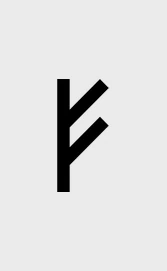
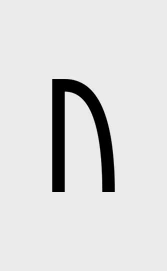
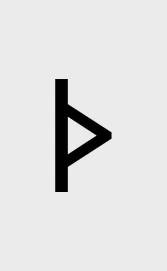
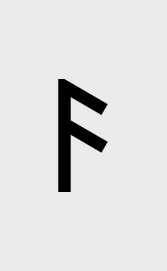
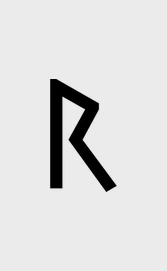

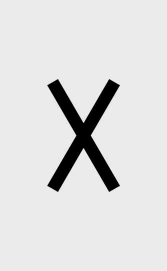
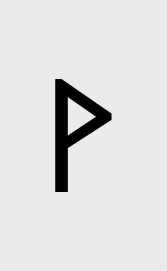
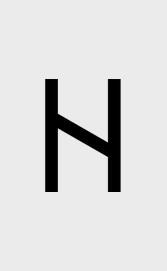
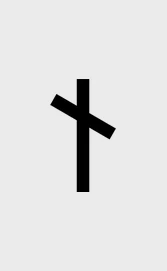
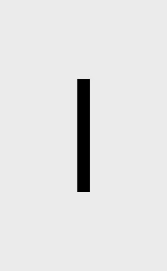

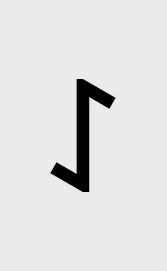
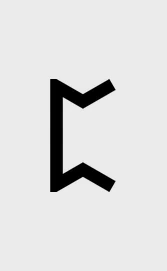
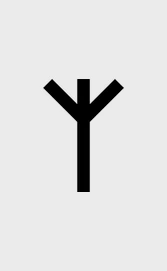
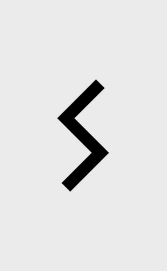
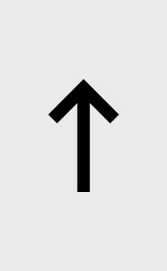
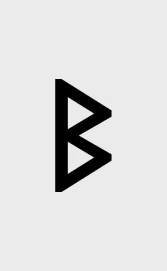
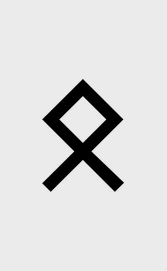
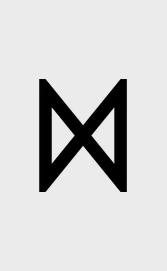
How rune combinations work
A rune combination connects two meanings to one question. Fehu concerns wealth and available resources. Beside Gebo, it draws attention to exchange and partnership. Beside Isa, it raises a question about resources you cannot yet put to use.
Choose the first rune in the catalogue, then the second. Each pair has interpretations for relationships and work, advice, and a comparison with the opposite order. These readings cover two different upright runes. They offer a way to reflect on a situation and frame useful questions, without confirming future events.
How to read rune combinations
Start with a question you want to answer. "What is making it hard to reach an agreement with my partner?" gives a reading more direction than "What happens next?" Keep one topic throughout the spread.
- Check the meaning of each rune. Use the aspect that fits your question. At work, Fehu can concern payment. In a relationship, it can concern what each person is willing to give.
- Find a connection between the signs. The neighbouring rune might strengthen the first, set a condition, or suggest a delay. Try to express that connection in one sentence, instead of listing every possible meaning.
- Check the spread positions. A rune in the obstacle position answers a question about a difficulty, even when its usual meaning is favourable.
- Look at the other runes. A pair helps explain part of a spread. Your overall reading needs to address the whole question.
For a question about an overdue payment, Fehu with Isa lets you focus on money that has stopped moving. The pair cannot establish why the payment is late. You would need to ask the client or check the agreement to find that out.
Does rune order matter?
In this guide, the first rune sets the subject and the second describes how it develops. Each pair therefore has two pages, one for each order. This is the reading convention used in the catalogue. If your spread assigns a question to each position, start with those positions.
Fehu and Uruz approach resources through effort and personal work. Swap them, and Uruz and Fehu focus on strength and the material result it produces. The emphasis moves from "How can I obtain this resource?" to "Where can I put my effort to use?"
The difference can be subtle. Some combinations keep a similar overall meaning while changing the main emphasis. Keep the order in which you drew the runes, even if the opposite reading sounds more appealing.
Examples of rune combinations
These examples show several ways the meanings can connect. The individual pair pages give more detail for your question.
| Combination | How the meanings connect |
|---|---|
| Fehu and Gebo | Resources come through cooperation or exchange. Consider what each side contributes. |
| Fehu and Isa | A resource has stopped moving. Look into the delay before treating the money as lost. |
| Sowilo and Tiwaz | The pursuit of success calls for consistent effort and fair conduct. |
| Berkano and Ingwaz | Something you have started has room to mature. Consider how a project develops and reaches the end of a stage. |
| Hagalaz and Jera | After a disruption, a result takes shape gradually. Allow for the time recovery takes. |
Rune combinations in love and work
The same signs address different questions as the subject changes. Fehu and Gebo in a relationship invite you to consider mutual contribution. Who takes the initiative? Who handles the everyday care, and does that exchange work for both people? In a work question, the pair directs attention to the terms of cooperation and payment.
Fehu with Isa brings up delay when the question concerns money. In a relationship, look at what makes it hard to give to each other or accept care. The combination alone does not establish that someone has stopped caring or intends to leave.
Compare the interpretation with what you already know about the situation. You can choose an online rune reading for a specific question, then use this guide to explore the pair you draw.
Reversed runes in combinations
A reversed rune and a pair in reverse order are different things. A reversal changes the orientation of one sign. Reverse order swaps the positions of two upright runes. The "Reverse Order" button opens the other sequence, without reversing either rune.
The pair pages describe upright runes. If you use reversals, check the relevant section in the individual rune guide. Consider which aspect of that rune the reversal affects, then return to your question and the neighbouring signs. There is no need to turn the entire pair's interpretation into its opposite.
Some runes, including Gebo and Isa, have no separate reversed position in our system. A difficult reading of these runes comes from the question and the surrounding signs. Choose how you will handle reversals before drawing the runes.
Everyone Reads at Astralika
Enough theory: time to ask the runes a question of your own. There are 346 readings on love, work, health and more.