Yes or No Runes: Answers for All 24 Runes
Which runes mean yes and which mean no: all 24 Elder Futhark runes grouped by answer, how reversed and non-reversible runes work, example questions and a three-rune method.
A yes or no rune reading takes about a minute. You ask your question, pull one rune from the bag and look at its sign. Below, all 24 runes of the Elder Futhark are grouped by answer, and each one links to its own page, where the answer is explained through the rune's meaning.
The Futhark is generous with yes. Two thirds of the runes answer positively, because most of the signs describe growth, movement and gain. Only one rune gives a firm no, and a handful honestly tell you the answer still depends on circumstances.
Answer: Yes 16
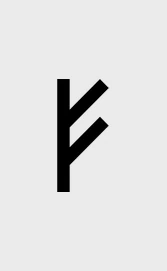
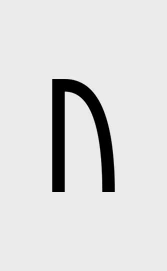
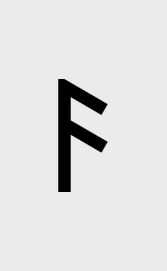
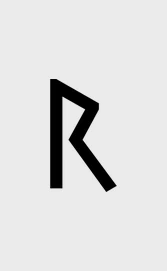
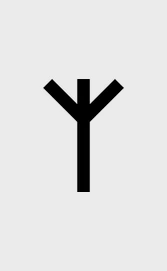
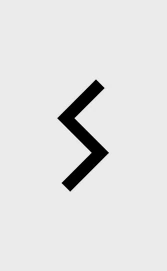
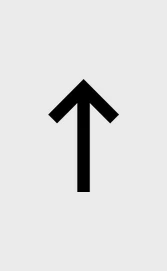
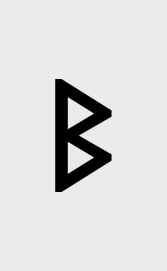
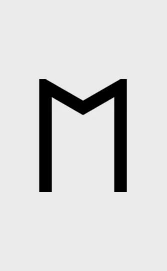
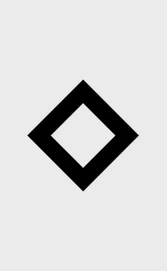
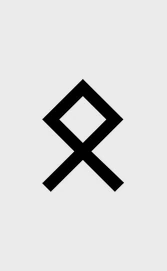
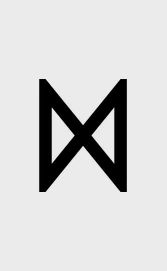
Answer: Likely yes 1
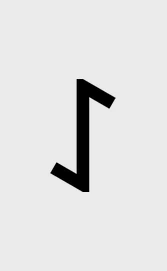
Answer: Neutral 5
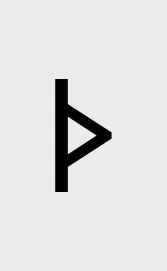
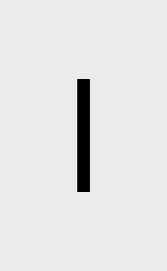
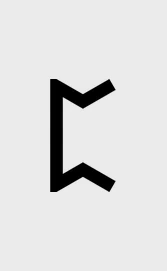
Answer: Likely no 1
Answer: No 1
How to Read a Single Rune
Hold the question in mind and draw a rune from the bag without looking. Lay it down the way it landed in your hand. The upright answer is shown in the groups above.
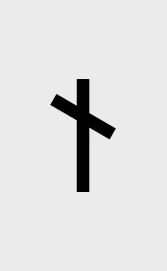
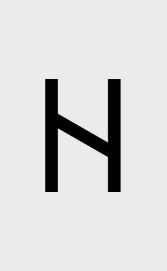
The clearest yes comes from Fehu, the rune of wealth, Sowilo, the rune of the sun and victory, and Dagaz, the rune of breakthrough. The only firm no is Hagalaz: hail that wrecks plans regardless of what you do. Next to it sits Nauthiz with a "likely no". It doesn't forbid anything, but it warns that you are short of strength or resources.
To draw a rune online, try the yes or no rune reading. The site picks the rune, and you can check its answer here.
Reversed and Non-Reversible Runes
The groups show upright answers. The core rule of rune reading is simple: an upright rune confirms its answer, and a reversed one weakens it or turns it into a no. A reversed Fehu, for instance, speaks of loss rather than profit.
Eight runes look the same either way up: Gebo, Hagalaz, Isa, Jera, Eihwaz, Ingwaz, Sowilo and Dagaz. They are called non-reversible, and they always give their main answer. Sowilo is a yes however it falls, and Hagalaz stays a no.
Runes Without a Clear Answer
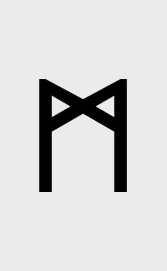
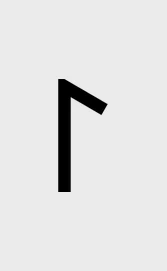
Five runes answer neutrally. Isa is ice and standstill; the situation is frozen and the answer will come once it moves. Perthro speaks of mystery and chance, so the outcome is still hidden. Laguz asks you to trust your intuition, while Mannaz hands the question back to you, because your own actions will decide it. Thurisaz shows an obstacle you can get past, but only with effort.
A neutral answer isn't a mistake. It means the question came too early or was too broad. Sharpen the wording and ask again in a few days rather than pulling a second rune straight away.
How to Phrase Your Question
A rune answers one specific question, and the more precise the wording, the clearer the answer.
- "How will my life turn out?" can't be answered in one word. Ask "Should I change jobs this autumn?"
- "Will he call or text?" is a choice, not a question. Ask "Will he get in touch this week?"
- "Was I wrong to say yes?" is built on a negative. Try "Was I right to say yes?"
Three-Rune Spread
For an important question, draw three runes and lay them out left to right. The first shows the past and the root of the situation, the second describes the present and the third gives the outcome. Read the outcome rune as the main answer and the other two as the explanation.
You can also go by majority. Two or three runes on the yes side mean yes. If no or neutral runes outweigh them, it is wiser to hold off on the decision.