Heimdall's Aett — Second Aett of the Elder Futhark
The second aett of the Elder Futhark, under Heimdall the watchman. Eight runes about trials, change, the forces of nature, and growth through difficulty.
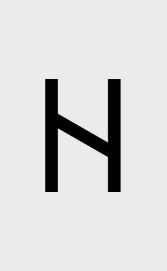
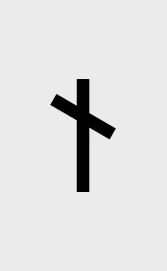
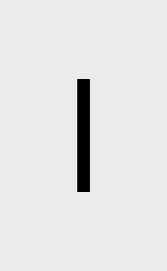

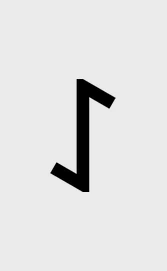
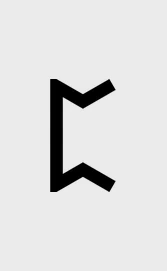
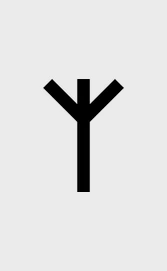
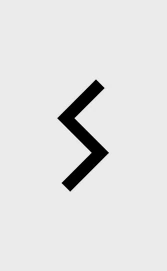
Heimdall's Aett is the second group of eight runes in the Elder Futhark, and its theme is far harsher than that of the first. Where the runes of Freyr's Aett spoke of resources and the start of a path, here the matter is trial. The aett is named for Heimdall, the watchman of the gods, who sits by the Bifrost bridge and sees everything that draws near. He is the god of vigilance and the boundary, and his eight runes gather what comes to a person from outside and tests their strength. Hail, ice, need, a sudden turn of fate. These signs promise no easy road, but it is through them that real change and growth take place.
The God and the Theme of the Aett
In the Norse tradition Heimdall is the guardian who stands at the edge of the worlds and is the first to notice any threat. He is not a pure warrior and not a maker, but the one who stays awake while the rest sleep. This role shapes the whole aett. The runes here speak not of what a person builds, but of what they meet and how they take the blow.
The theme of the second eight is transformation through hardship. It gathers the forces of nature that a person cannot command: sudden destruction, a forced halt, the turning of cycles, the need that leaves no room to relax. Heimdall's Aett teaches you to pass through a crisis rather than dodge it. Many of its signs look heavy at first glance, yet almost each one carries a second layer. After the break comes cleansing, after the pause comes clarity, after the need comes endurance. This is the aett of meeting fate and of maturing through what lies beyond our control.
The Runes of Heimdall's Aett
The eight runes of the second group run in futhark order from Hagalaz to Sowilo. Five of them are symmetrical and do not reverse, so their difficult side is read from the neighbouring signs.
- Hagalaz · destruction, sudden change from outside, a cleansing break. Does not reverse.
- Nauthiz · need, constraint, limitation, the lesson of patience.
- Isa · stillness, pause, a standstill in affairs, forced waiting. Does not reverse.
- Jera · harvest, the reward of effort, cycle, reward earned. Does not reverse.
- Eihwaz · endurance, protection, a steady foundation, the axis of change. Does not reverse.
- Perthro · mystery, the hidden, fate, chance, an unexpected turn.
- Algiz · protection, divine support, connection to self, a sanctuary.
- Sowilo · sun, victory, success, vitality, a clear goal. Does not reverse.
The eight are built as a path through a stretch of hardship. It opens with the sharp break of Hagalaz, passes through need and ice, through harvest and endurance, and ends with the solar victory of Sowilo. The inner logic of the aett is that the trial does not last forever. After the darkest rune of the row, the Sun rises at the end.
When Runes of This Aett Dominate a Spread
If a spread gathers several signs of Heimdall's Aett, the situation speaks for itself. The person is passing through a stretch of trials, and much around them now depends not on their will but on outer circumstance. Such a reading warns of a hard stretch of the road, where endurance matters more than force.
A weight of runes from this eight makes the picture stricter and more restrained. Even a strong, bright rune beside Hagalaz, Nauthiz, and Isa sounds quieter, its energy bound by the situation. Yet this is no verdict. Heimdall's Aett shows that the hardship is temporary and works toward growth, once you accept it rather than deny it. When Eihwaz, Algiz, or Sowilo fall among these signs, the reading points to what you can lean on and where the way out lies. Ready-made rune readings help you unpack such a situation position by position.