Yes or No Playing Cards: Answers for All 36 Cards
Which playing cards mean yes and which mean no: all 36 cards grouped by answer, why Clubs aren't always a no, how to ask your question and a three-card method.
An ordinary 36-card deck is all you need for a yes or no reading. Ask your question, draw one card and look at its suit and rank. Below, every card in the deck is grouped by answer, and each one links to its own page with the full meaning.
You have probably heard the simple rule that red means yes and black means no. It is only half right. Hearts and Diamonds do answer positively, and every no in the deck sits in Spades. Clubs, however, are black but answer positively, most often with a "likely yes". This is the suit of work and busy effort, and its answer sounds like "yes, but you'll have to work for it".
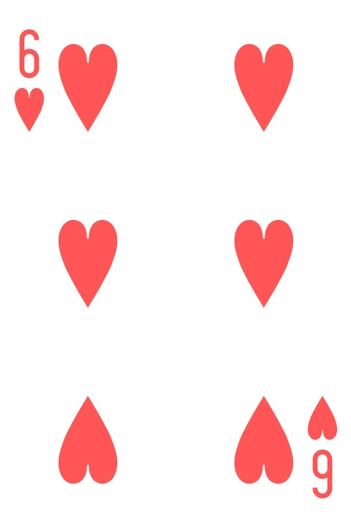
Answer: Yes 16
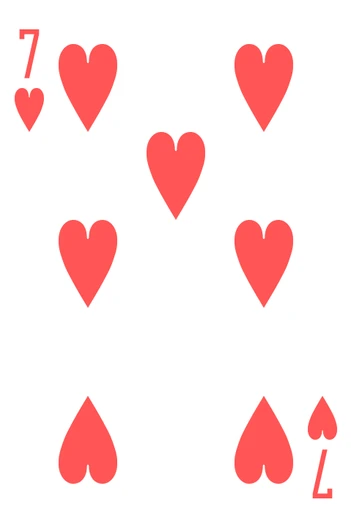
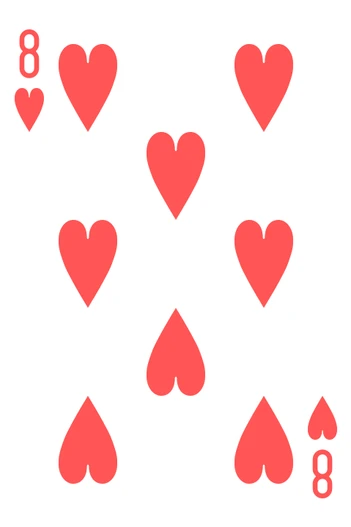
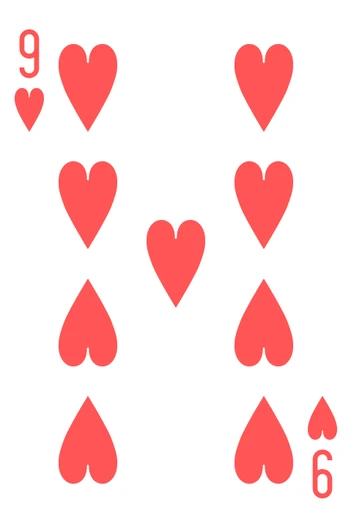
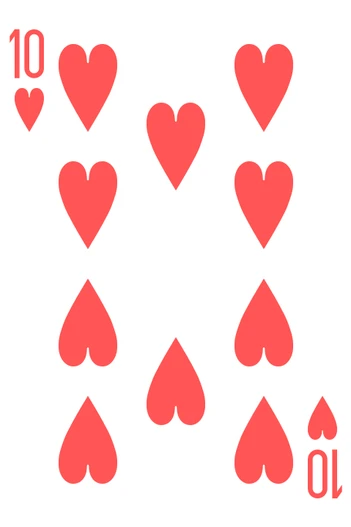
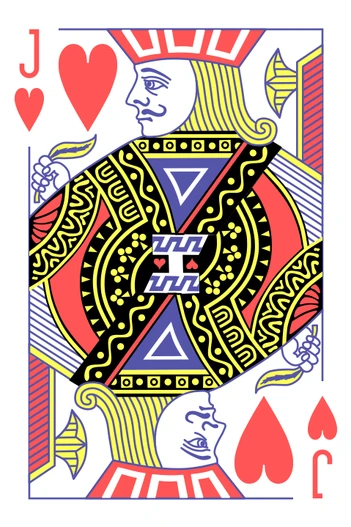
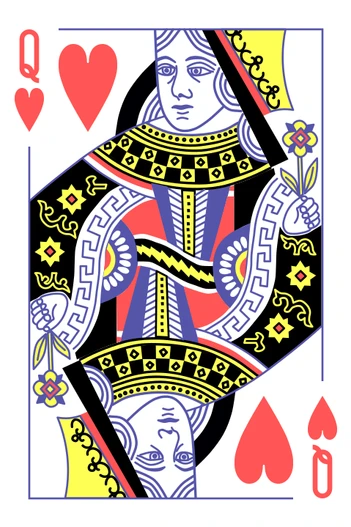
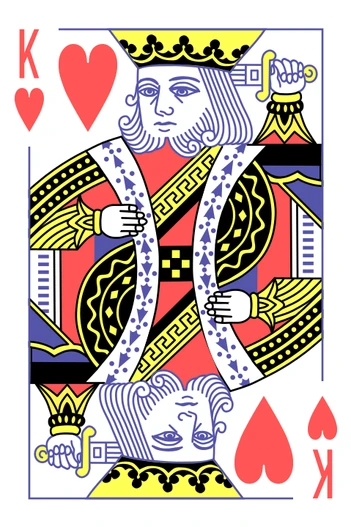
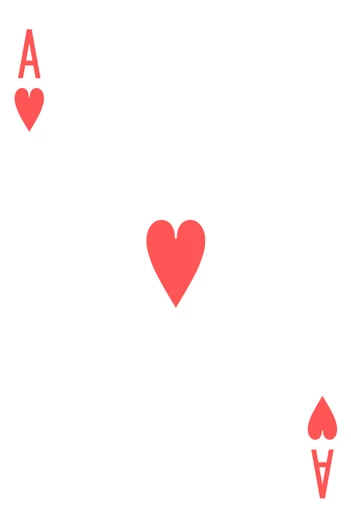
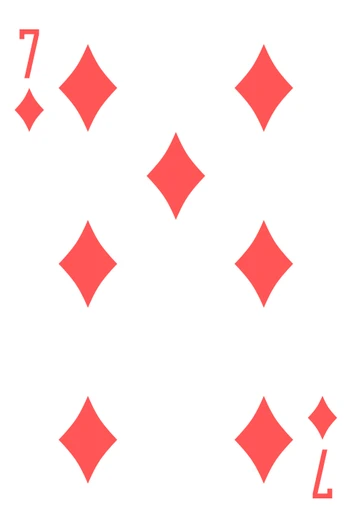
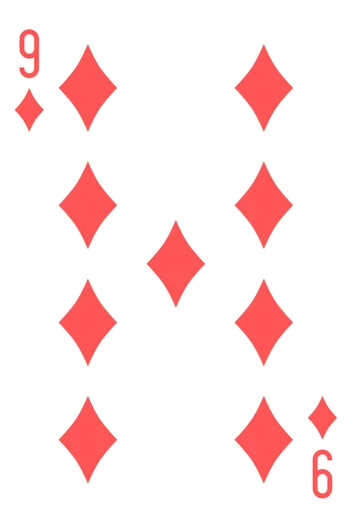
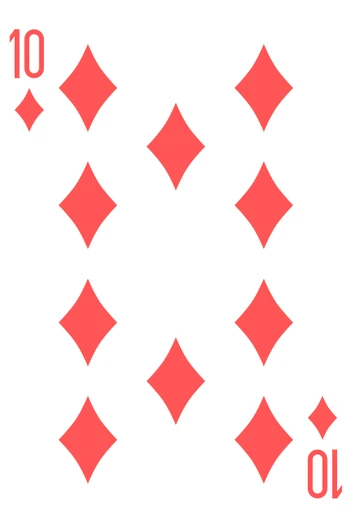
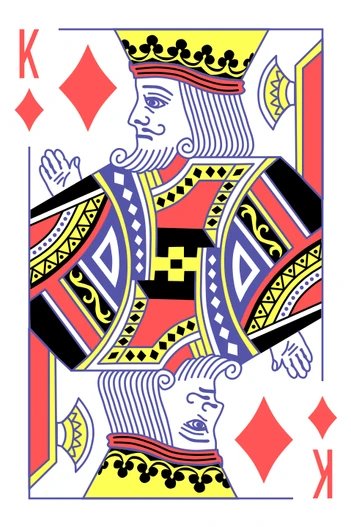
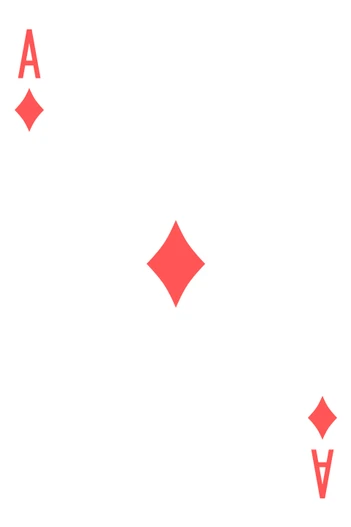
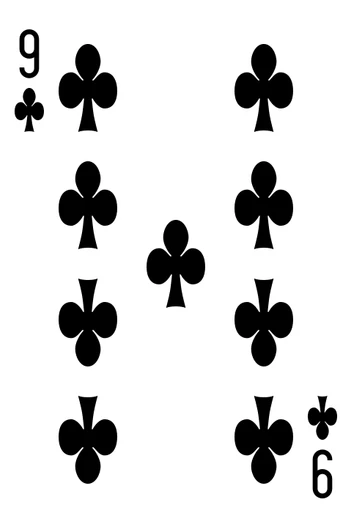
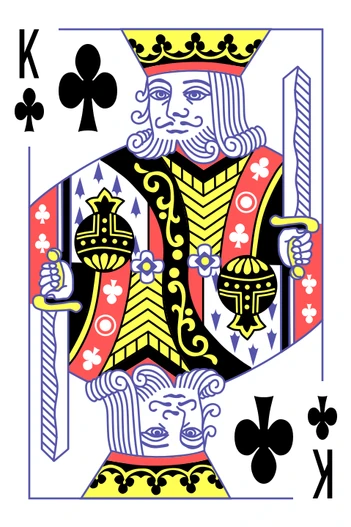
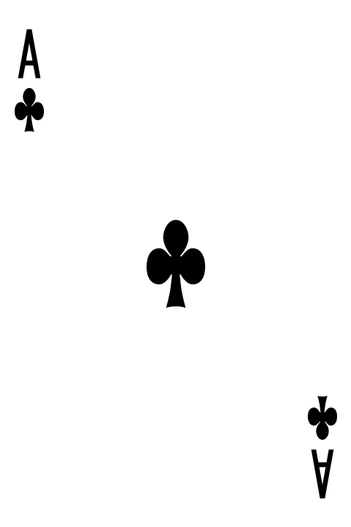
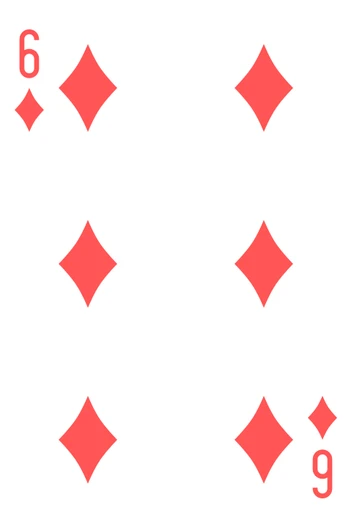
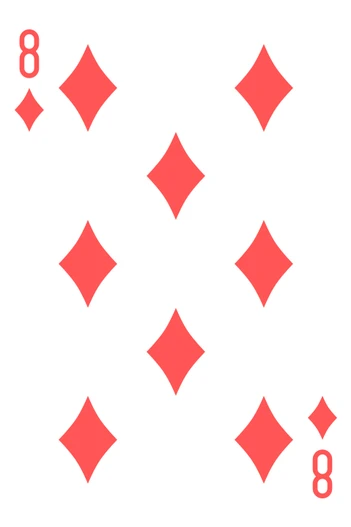
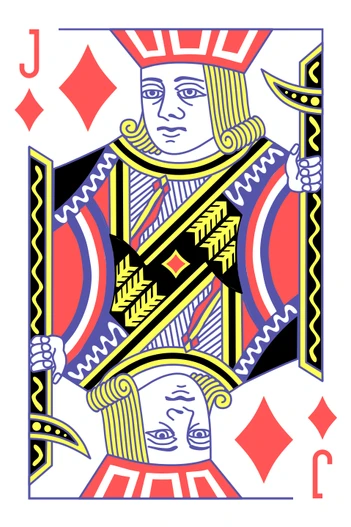
Answer: Likely yes 11
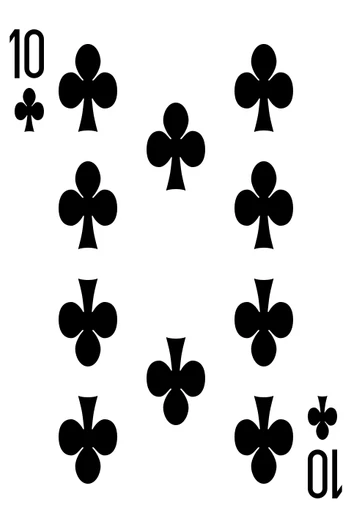
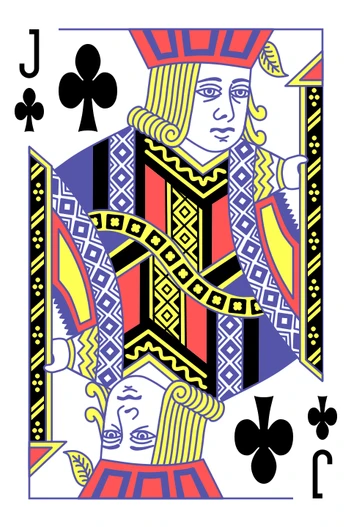
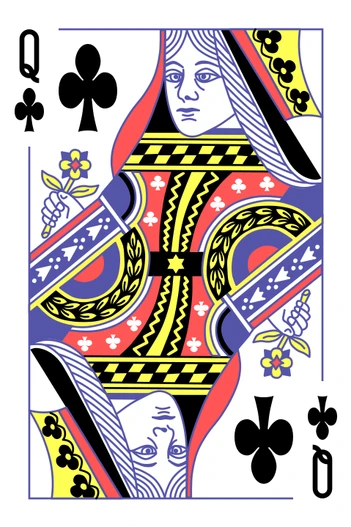
Answer: Likely no 3
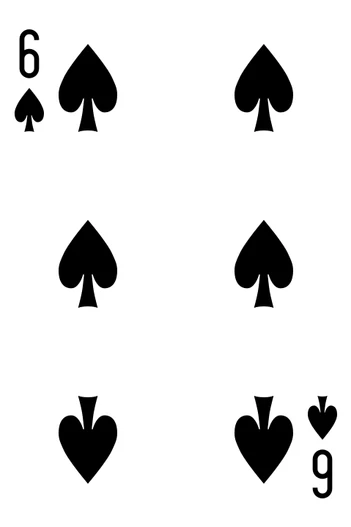
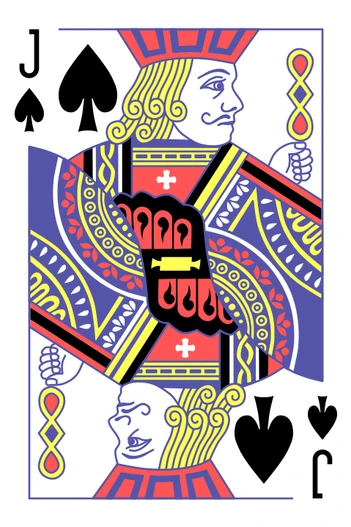
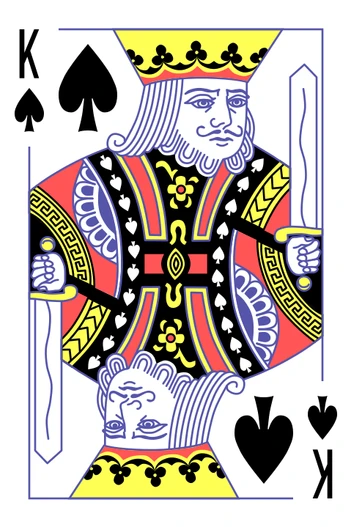
Answer: No 6
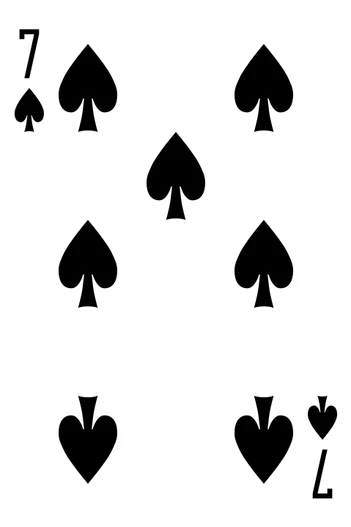
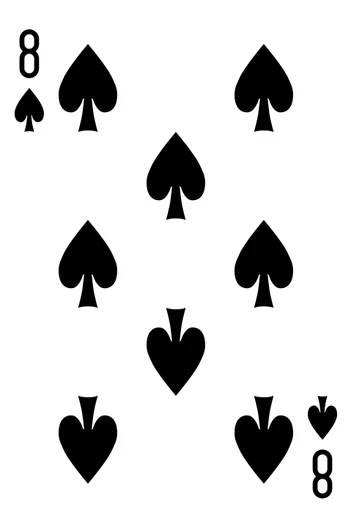
Reading the Answer by Suit
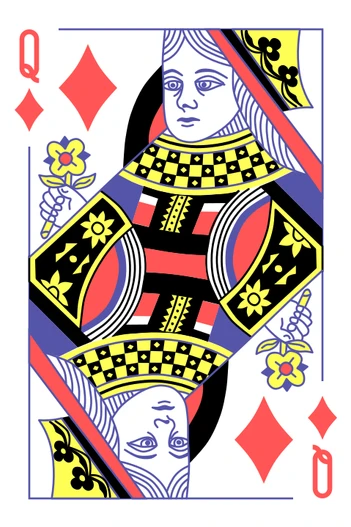
Hearts cover feelings, home and happiness. It is the kindest suit, and nearly all of its cards give a confident yes. Diamonds deal with money, news and business. Their answer is positive too, though some Diamonds give a "likely yes", because success depends on good judgement.
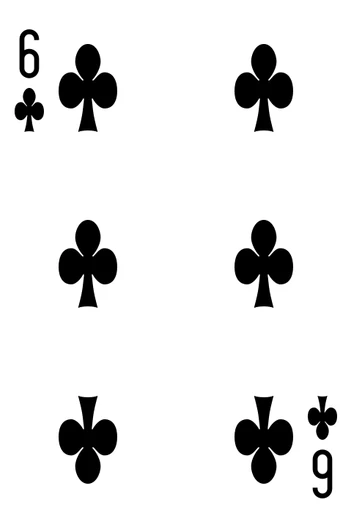
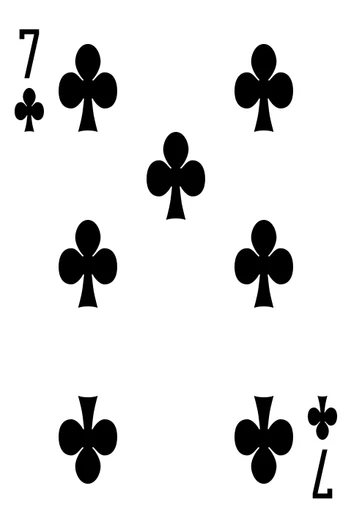
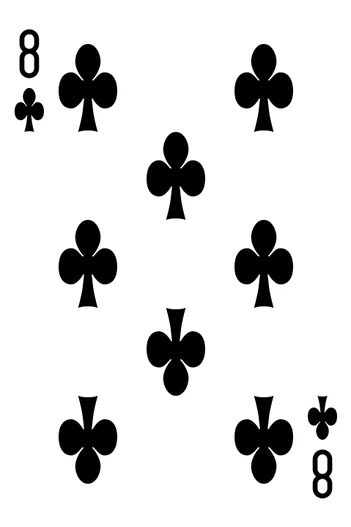
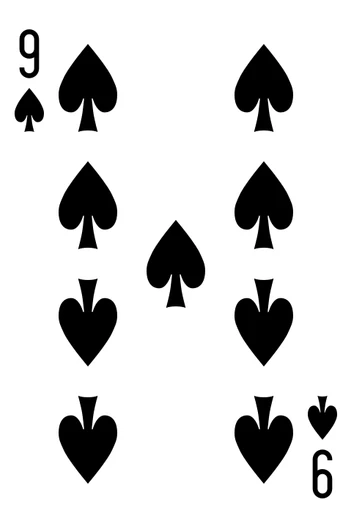
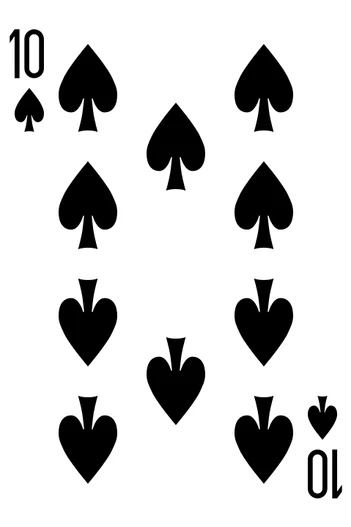
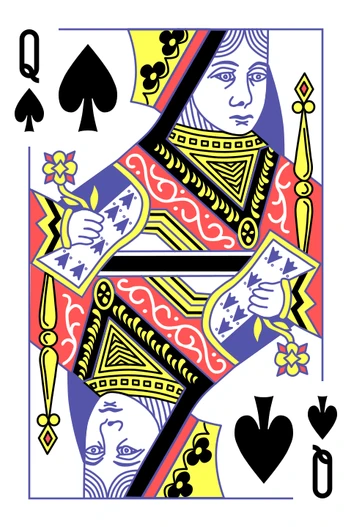
Clubs describe work and everyday concerns. The Ace, King and Nine of Clubs say yes, and the rest say "likely yes": you will get what you want, but through effort, negotiation or patience. Spades is the only suit with negative answers. Most Spades give a firm no, and only the Jack, King and Six of Spades soften it to "likely no".
The Strongest Answers
The warmest yes in the deck comes from the Ace of Hearts and the Nine of Hearts. The Nine of Hearts is known as the wish card, so for a question about something you truly want, its answer is unmistakable.
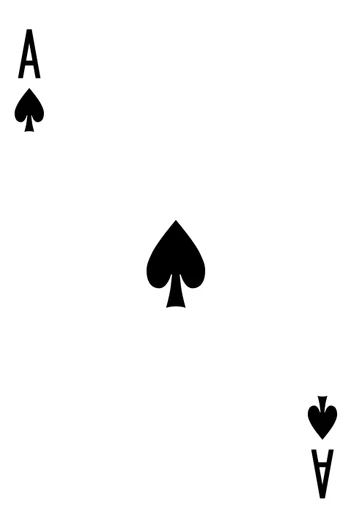
The heaviest no comes with the Ace of Spades and the Nine of Spades. The Ace of Spades brings sharp, life-changing news and a blow, while the Nine of Spades speaks of illness or deep disappointment. If either appears, it is better to put your plan on hold.
To draw a card online, try the yes or no playing card reading. The site picks the card, and this page tells you what it means.
How to Phrase Your Question
A card answers one question about a specific event. Put it in the present or future tense and add a time frame where you can.
- "What's in store for me?" can't be answered in one word. Ask "Will I hear back about the job this week?"
- "Does he love me or not?" turns the question into a choice. Ask "Does he have feelings for me?"
- "Was I foolish to trust him?" is built on doubt and a negative. Try "Can I trust him?"
Reversed Cards
Not every reader uses reversals with playing cards. If you do, a reversed card weakens the answer: yes becomes "likely yes" or "yes, but later", and a no from Spades sounds even harsher.
If you prefer to skip reversals, keep all the cards facing the same way. For yes or no questions, suit and rank tell you plenty.
Three-Card Yes or No Spread
When one card isn't enough, draw three and count. Two or three cards on the yes side mean yes, and two or three Spades mean no. Count Clubs as half a yes, since they promise results through effort.
You can also read by position. The first card shows what is happening now, the second gives the answer and the third tells you how it ends. If the answer is yes but the third card is a Spade, you will get the result, though it may leave a bitter aftertaste.