Spades Suit — Playing Card Meanings
Meanings of the 9 Spades playing cards used in cartomancy, from Six to Ace. Interpretations, combinations and spreads.
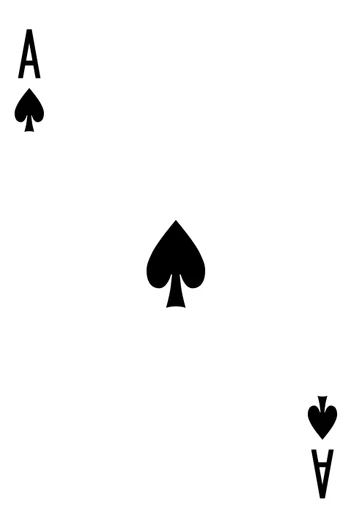
Spades are the most serious suit in the 36-card deck. If hearts speak of love, diamonds of money and news, and clubs of work, then spades cover the hard side of life: obstacles, disputes, worries and sharp turns. Readers often picture this suit as the black flag of a spread, the sign that asks you to slow down and look closely at what is going wrong. It helps to drop the fear right away. A spade card is not a verdict and not a promise of disaster, but a warning and an invitation to pay closer attention.
In classic cartomancy spades stand for sharp words, unwelcome news and people of a difficult temper. The suit rarely turns up where everything is calm. What it does well is name the narrow places in a situation honestly, and that is its value. Detailed meanings for all nine cards live on their own pages, while this page gathers the overall sense of the suit and the logic of reading it.
The Suit's Element and Life Area
Spades belong to the element of Air and echo the Swords in Tarot. Air is the realm of words, thoughts and messages, so spades usually point not to physical trouble but to whatever cuts at the mind: a tense conversation, bad news, an argument, the weight of worry. The Ace of Spades on this site is described plainly as the card of air, and that logic holds across the whole suit.
The life area of spades is difficulty and everything tied to it. Conflict and quarrels, obstacles on the path, warnings and sharp news, tension and the strain of pressure. Spades remind you that every situation has sharp edges, and it is better to see them in advance than to walk into them blind. At the same time Air favors a clear head, so the spade cards reward the person who meets a hard turn calmly rather than in a panic.
What the Spade Cards Mean
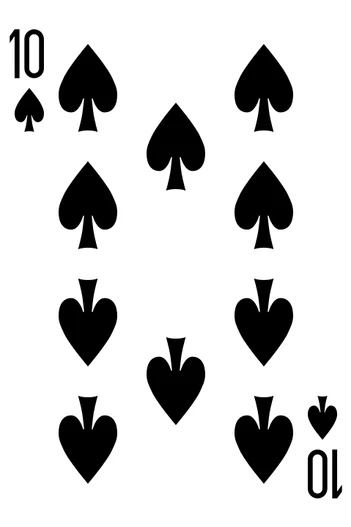
The suit gives the theme, the rank refines its force. The number cards from six to ten describe circumstances, and in spades they are almost always colored with worry and trouble. The six of spades often reads as an unpleasant journey or a small delay, while the seven of spades is an empty quarrel, gossip or a barbed conversation. The higher the number, the heavier the theme: the nine of spades is counted one of the saddest cards in the deck, and the ten of spades amplifies the suit and speaks of large obstacles and drawn-out cares.
The ace stands apart as the peak of the suit. The ace of spades is a strong message or a turning point, an important document, a sharp blow after which the course of events shifts. Read spades in pairs. The eight of spades beside the ace deepens a troubling piece of news, while a friendly red card next to it softens the edge of the spades and dims their weight.
The King, Queen and Jack of Spades
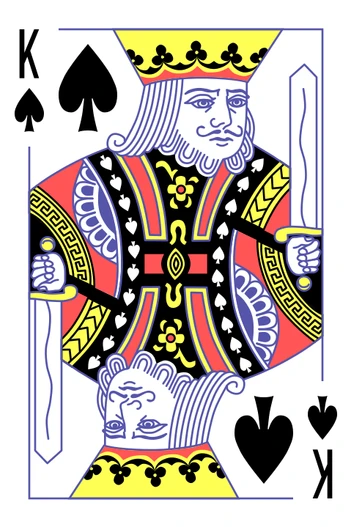
The court cards of spades are best read as real people around the querent, and their temper is not an easy one. The king of spades is a commanding mature man, a boss, an official or a man of the law, strict and used to keeping everything under control. Much depends on his decision, but you should not expect softness or concessions, and sometimes he is an outright ill-wisher.
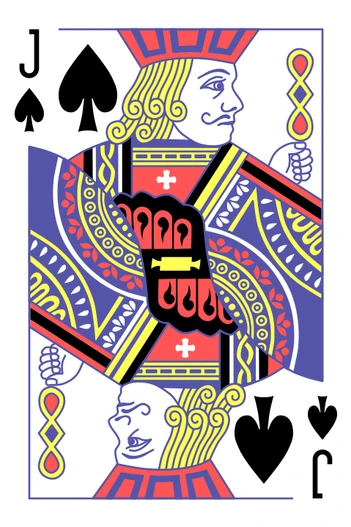
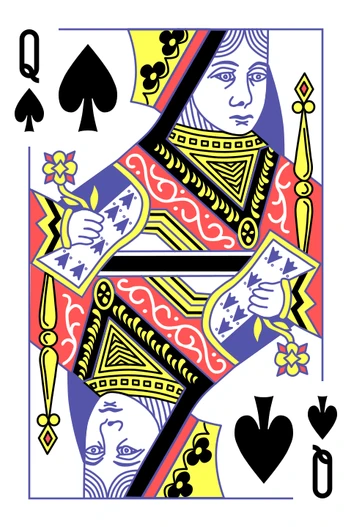
The queen of spades describes a difficult woman: a rival, a gossip or simply someone going through a hard stretch. This card calls for caution in reading and often points to interference in your affairs. The jack of spades is a young person, or a message, that brings trouble, petty intrigue or ill news. All three figures share one thing: around them you should hold your boundaries and avoid an open clash unless it is truly necessary.
When Many Spades Appear
A run of spades is read first, before you ever look at single cards. If the table fills with black spade cards, the spread is warning of a hard stretch: of conflict, obstacles and tension that will press on you for a while. It is a signal to slow down, check your agreements and avoid sharp decisions made in the heat of the moment.
Even so, a heap of spades is no reason to give up. The suit shows exactly where things are thin so that you can prepare, not so that it can frighten you. Look for red cards nearby, since they soften the mood and hint at a way through. Spades name the problem honestly, but the final choice always stays with you, and the deck only helps you see it more clearly.