Scythe and Key Combination in Lenormand
Scythe and Key combination in Lenormand: a sharp break that becomes a final decision and breakthrough. Meaning in love and work, and why card order matters.
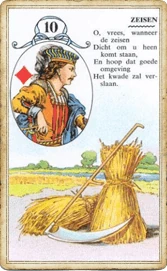
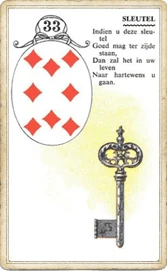
In short. The Scythe sets the theme of a sharp break, while the Key turns it into a final decision, a major turn of fate after which a way out opens.
In this pair the Scythe leads as the card of sudden endings and decisive cutting. The Key comes second and aims the break at the theme of an answer, a breakthrough, and a fateful decision. Together they speak of a sharp ending that proves correct and unlocks a door that was shut.
General Meaning of the Combination
The first card names the heart of the event, a sharp break in one motion, with no slow fading. The second card, the Key, explains what the break becomes and gives it the weight of a final decision. Because the Key governs the answer, the breakthrough, and the fateful moment, the pair most often reads as a cut that puts everything in place: the decision is made for good, and it turns out to be the right one. The Scythe removes the old fast, while the Key confirms that clarity, not chance, stands behind the break. Where there was a dead end before, the sharp ending opens a way out. Sometimes it is a painful step, but almost always the correct one. The neighbouring cards show whether it is an ending that frees you or a resolution after which a new, clearer stage begins.
In Love and Relationships
In feelings the Scythe speaks of a sharp parting, and the Key gives it finality and the sense of a fateful choice. Together they often point to a break after which clarity arrives: a question that hung in the air for a long time is settled in one motion, and both understand where they are headed. Sometimes this is the end of a relationship that clears the way to a more honest closeness, sometimes a decisive conversation that puts in the full stop. The card advises you not to fear a direct answer, even a sharp one, because it is exactly what lifts the painful uncertainty. After such a break you know the truth about the bond and about yourself.
In Work and Finances
At work the Scythe means a sharp change, while the Key points to a right decision and a breakthrough. The pair speaks of the close of a stage that opens a new door: leaving a former place after which a better one is found, or a final decision that unblocks a stalled project. Sometimes it is a sharp but fortunate turn in a career. In money the Scythe means a sharp shift in the balance, and the Key promises that a way out stands behind the break: the cancellation of an unfavourable contract after which a better income source appears, or a decisive step that puts the finances in order. Act quickly, because the decision here is already found.
Reverse Order
If the Key falls first and the Scythe qualifies it, the accent shifts from the break itself to the decision and the breakthrough within which it happens: the theme of the answer and clarity moves to the front, and the sharp ending becomes what this key opens the door through. Then it is more about a found solution that calls for cutting away the excess than about a break that became a decision. This order is covered in detail on the page Key and Scythe.
The Cards' Advice
If the decision has ripened, carry it out cleanly and all the way. The Scythe asks you to cut away the excess without anger or hesitation, while the Key confirms the chosen path is the right one, even if it is not easy. Do not stretch out the resolution and do not return to what is already cut off, because a way out stands behind this break. One clear step will open a door that stayed locked for a long time.