What Will My Future Husband Look Like? — Lenormand Reading
Lenormand talks about people the way neighbours talk on a bench outside. Not archetypes and depth, but the fact that he is fair, wears glasses and has worn the same jacket three winters running. This free online Lenormand reading assembles your future husband's looks out of exactly those household details. The cards describe his face and eyes, his hair colour, his height next to yours, and how he looks not at a party but on an ordinary Wednesday evening. Separately you get the mark that lets you recognise him from behind, a mole, a grey streak, a slight limp in his walk or the habit of keeping his hands in his pockets. Combinations add detail that no single portrait can give you. There is also the question nobody says out loud. Whether you will like his face, or whether you will have to grow into it. Sometimes a face that looks unremarkable at the start becomes the dearest one you know, and you cannot work out how you nearly walked past it in a shop. Sometimes a handsome man simply stops registering after six months of shared washing up. Everyday marks are more honest than daydreams. Lay the cards out and see who walks into your life.
Your Reading Is Ready
1What will my future husband look like?
2What are his eyes like?
3How does he look on an ordinary day?
4Does he have a distinguishing mark?
5Will you like the way he looks?
Save Your Reading
Recommended
Total 11



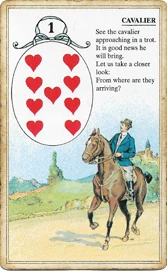
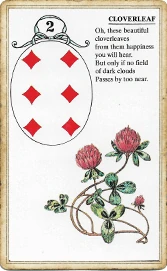
Guess the Card Meaning
Lenormand Reference
What the reading reveals
-
What will my future husband look like?
Your future husband's appearance as an outsider would see it. What stands out, what sticks in the memory, how a friend would describe him after bumping into him at the shops.
-
What are his eyes like?
Your man's eyes and the way they shift. Colour, shape, the creases from laughing, heavy lids by evening, the look over the top of his glasses when he reads something small.
-
How does he look on an ordinary day?
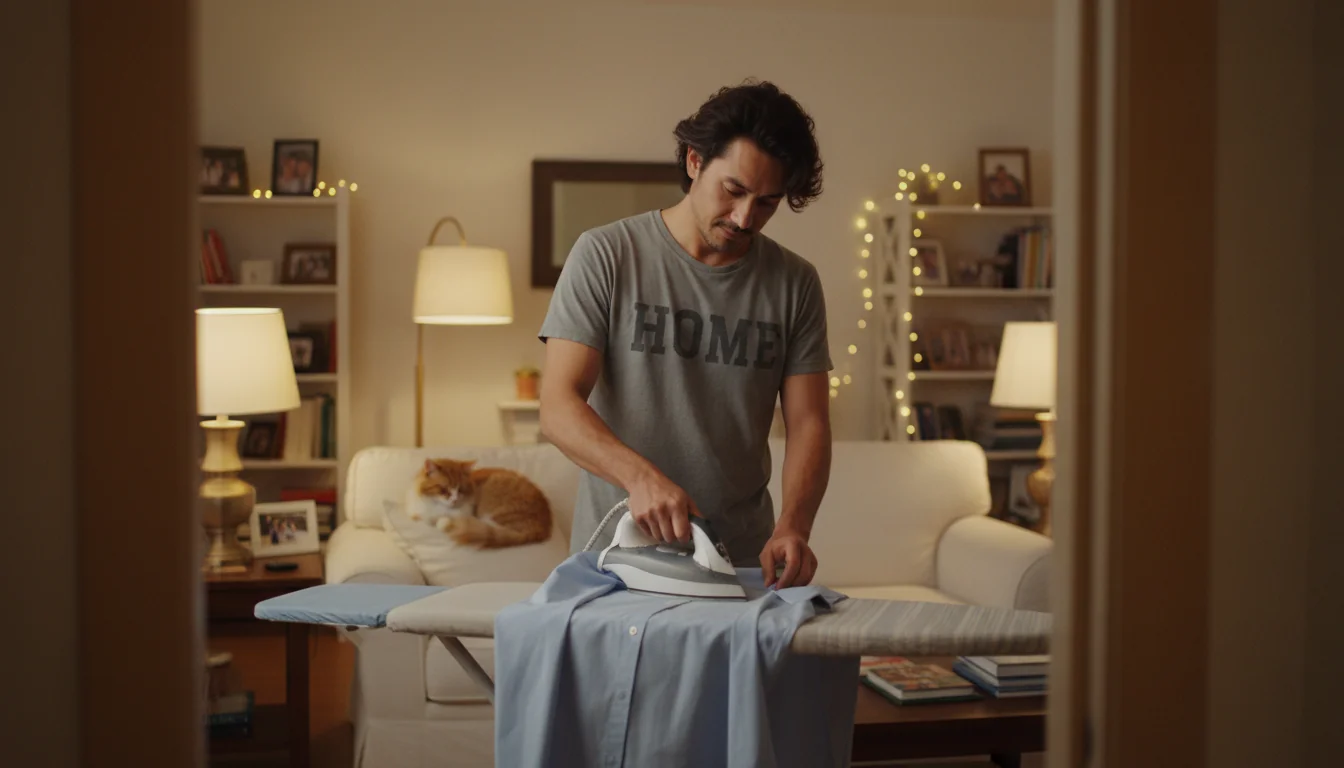
Not the polished version, the weekday one. A house tee shirt, two days of stubble, a stretched jumper he wears to take the bins out and to meet you in the kitchen.
-
Does he have a distinguishing mark?
A mole above the lip, a scar on the chin, a crooked little finger, a streak of grey. The small thing that lets you know him from behind in a bread queue years from now.
-
Will you like the way he looks?
Looks do not land straight away, and not with everyone. Whether his face sits right with you at once, or whether you grow into it and find beauty where you saw none.
When to do a reading
You want to see him in ordinary life
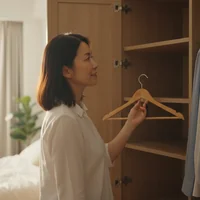
You picture a morning ten years from now. A kitchen, a kettle, someone standing at the window with his back to you in a stretched tee shirt. You cannot see his face. That face is exactly what you want to make out, because you will be living with him, not with a flattering photograph.
You are tired of handsome strangers
You have had handsome men in your life and none of it ended well. You look differently now and want a face worth coming back to rather than a glossy one. But you have no idea what that face looks like, so you keep measuring everyone against the ones who already left.
You dread the moment the door opens
No, you are not afraid of plain men. You are afraid of the moment the door opens and something inside you drops with disappointment. It has happened twice already and both times you sat the evening out to be polite. You would rather know beforehand than brace for a miracle.
You notice the same man every morning
He comes out of the next entrance every morning with his dog. You know his jacket, his walk, the way he tugs his hat straight. You do not know his name. And already you are wondering whether this is him, or just a man with a dog you started noticing out of boredom.
You want to know him by a small thing
What if you know him not by his face but by the mole above his brow? Or by the way he holds a mug with both hands. Small things surface in the memory sooner than whole portraits do. Your grandmother could pick your grandfather out of a station crowd from behind. What will yours turn out to be?