Yes or No Lenormand: Answers for All 36 Cards
Which Lenormand cards mean yes and which mean no: all 36 cards grouped by answer, how to read neutral cards, three- and five-card methods and example questions.
Lenormand is good at direct questions. The deck has no reversals, so every card either supports what you have in mind, works against it or stays on the sidelines. Below, all 36 cards are grouped by answer, and each one links to its own page with the full meaning.
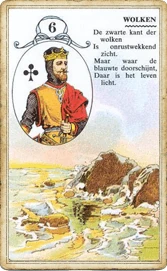
More than half the deck sits on the yes side. There are nine negative cards, and most of them are easy to recognise from their pictures: nobody is surprised by Clouds, Coffin, Snake or Scythe. Eight cards are neutral. They describe people, messages and choices rather than outcomes, so on their own they don't settle the question.
Answer: Yes 12
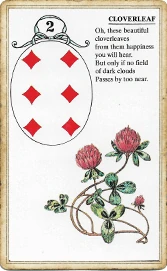
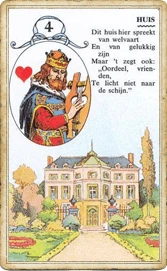
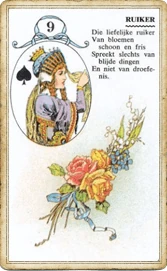
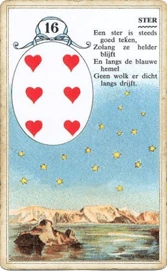
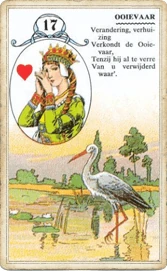
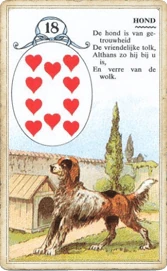
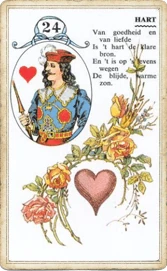
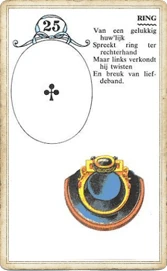
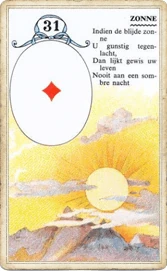
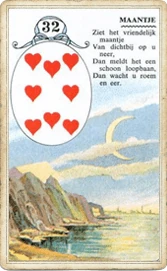
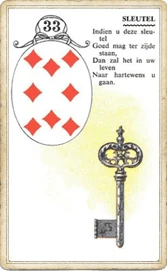
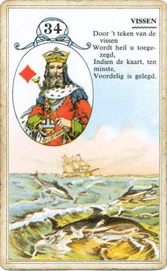
Answer: Likely yes 7
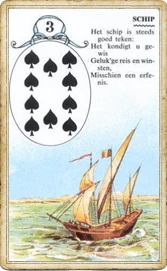
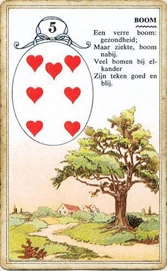
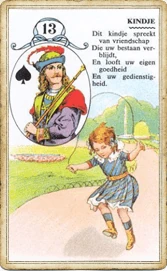
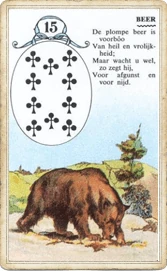
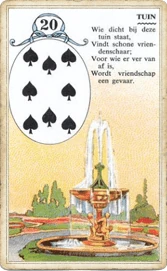
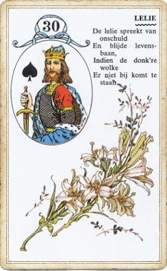
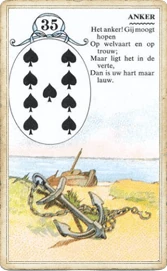
Answer: Neutral 8
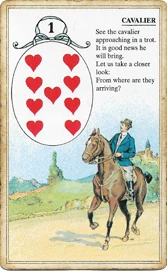
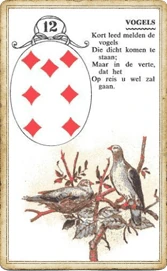
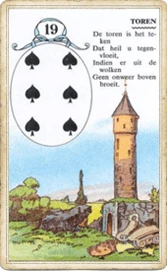
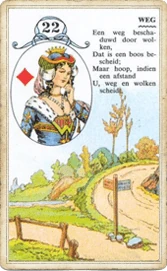
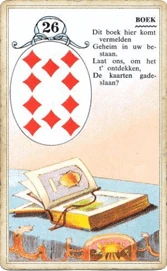
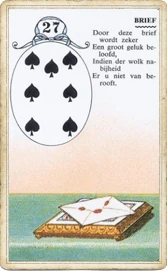
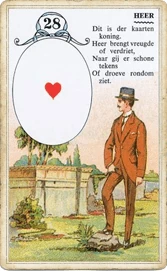
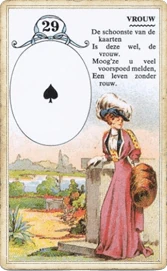
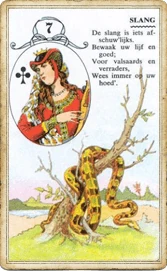
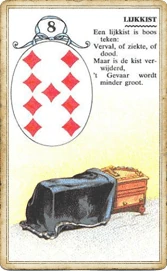
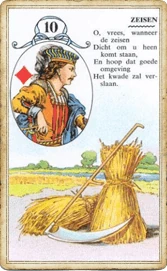
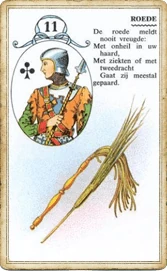
Answer: No 9
How to Read a Single Card
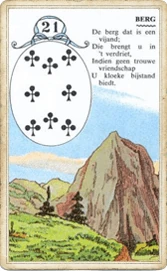
Shuffle with your question in mind and draw one card. Look up its answer in the groups above; the card's story explains why. The Ring says yes because it promises an agreement or a bond, while the Mountain says no because it puts a serious obstacle in your way.
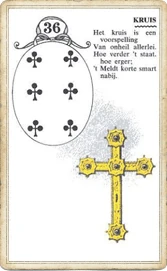
The brightest answers come from the Sun, Clover and Key. The Key is especially good for "will it work out?" questions, as it shows the solution has been found. The heaviest no comes with the Coffin and the Cross: the Coffin speaks of an ending, the Cross of a burden you will have to carry.
To draw a card online, try the yes or no Lenormand reading. The site picks the card, and you can check its answer here.
Neutral Cards
A neutral card doesn't mean the deck stayed silent. It shows what the outcome depends on. The Rider says the answer will arrive with news. The Book points out that you are still missing key information. The Man and the Woman stand for people, so the decision is in a specific person's hands right now.
In a one-card reading, accept a neutral answer as it is and ask again later. In a three- or five-card spread, a neutral card takes its colour from its neighbours. Next to the Sun, the Letter brings good news; next to Clouds, worrying news.
Why Readers' Lists Differ
There is no single agreed list of yes and no cards in Lenormand. Three cards cause the most debate. Some readers see the Moon as recognition and success, others as anxiety. Some read the Tower as protection and stability, others as isolation. The Book is a yes for some and neutral for others.
We have grouped the cards by their core meaning in the classic deck. The Moon answers yes here, because first and foremost it stands for recognition and well-earned success. The Tower and the Book are neutral, as their meaning depends heavily on the question. If you are used to a different system, stick with it; consistency matters most.
How to Phrase Your Question
Lenormand answers concretely, so your question should be concrete too. Ask about one event and add a time frame.
- "Will I find love?" is too vague. Ask "Will I meet someone new before summer?"
- "Should I go or stay?" is a choice. Ask two separate questions: "Should I go?" and "Should I stay?"
- "Isn't he lying to me?" is built on a negative. Try "Is he being honest with me?"
Three- and Five-Card Spreads
For an important question, draw three cards and count the positive and negative ones, setting the neutral cards aside at first. If yes cards outnumber no cards, the answer is yes. If it's a tie, the middle card decides.
Five cards give a fuller picture. Count the same way, but look at the pairs as well. A negative card next to a positive one is softened, while two negative cards side by side reinforce each other. The Mountain next to the Key means an obstacle you will manage to overcome.