Five of Spades and Ten of Spades Playing Card Combination
Combination of the Five of Spades followed by the Ten of Spades: a temporary setback that leads into a drawn-out hard stretch.
In short. Five of Spades + Ten of Spades: The Five of Spades shows a setback, and the Ten of Spades says a long run of difficulties follows it and demands patience.
This pair describes a path where something first falls through and then a long effort is needed to climb out of the piled-up troubles. The first card sets the subject of the matter, and the second shows how it will develop further. The key is not to confuse a temporary setback with a full defeat, because a heavier and stickier period begins after it.
General Meaning of the Combination
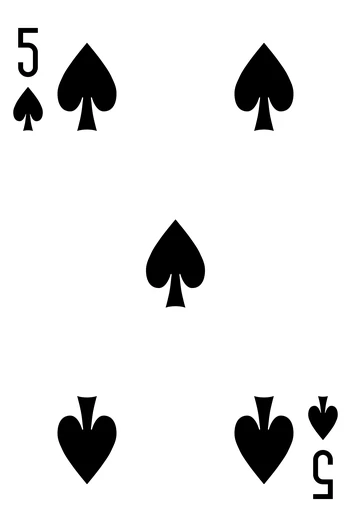
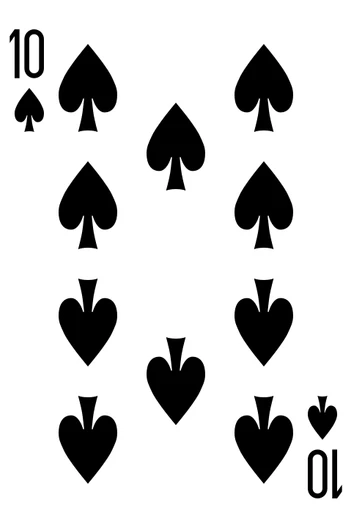
The Five of Spades speaks of a plan running into an obstacle. Deadlines slip, people refuse, or a chance is lost, which is usually annoying but not final. Then the Ten of Spades arrives and changes the picture: problems start stacking on top of each other. One setback brings paperwork, visits and waiting, and instead of a brief disappointment there is a long stretch of nerves.
The order of the cards matters. The setback comes first, so the source is a specific incident, a refusal or a missed opportunity. That story then grows into a whole run of difficulties. The card advises keeping the original cause in view, because how long the stretch lasts depends on working through the first mistake.
Love and Relationships
In relationships this pair most often points to a quarrel or disappointment that then turns into a lasting tension. You may have missed the moment to say something important, and now the unspoken things keep piling up. Instead of one talk there is a string of small clashes, and the partners grow tired of each other. For singles, the cards speak of an unsuccessful meeting followed by worries and doubts.
If the couple starts with a quarrel, the card advises not stretching it out over weeks. A short admission of a mistake helps stop the avalanche. Otherwise the partners end up angry not at the specific incident but at the fact that everything around them has become heavy.
Feelings, Thoughts and Intentions
Feelings. At first there is annoyance and a slight bitterness over the setback. Then anxiety joins in, along with a sense that things have piled on top. A person may feel trapped and irritated by constant small obstacles that keep coming one after another.
Thoughts. Thoughts first circle around what went wrong. Later they shift to something else: how much still has to be sorted out and whether there is enough strength left. A person may wonder when all this will end and whether they should have acted differently at the start.
Intentions. The intention this pair suggests has two parts: first, to understand the cause of the setback, and then to wait out the hard stretch without making sharp moves. A person may want to put some tasks aside and conserve energy so it is not spent on a pointless struggle.
Career and Work
At work this pair can begin with a refusal or the collapse of an important project and then slide into a long run of stalled approvals and tasks. First, it is simplest to find out why the decision went against you and ask your manager for honest feedback. After that, avoid taking on extra work and keep to the main priority, or routine will eat up all your time.
Finances
In this pair money often first slips away through a failed deal or a poor purchase, then goes toward settling accumulated problems such as fines, repairs and paperwork. The card advises against trying to win it back through a risky move and recommends keeping a reserve for the unexpected. It helps to plan spending by category so you can see where the money goes.
Health
This pair describes overtiredness, nervous strain and a drop in energy that build up from prolonged worry. The focus is on everyday routine: sleep, rest and ordinary walks, not on any diagnosis. A sensible daily schedule with time to recover helps, along with avoiding major decisions made while exhausted.
Situation and Question
In a specific situation this pair means that something falls through first and then the matter drags on with real effort. You will probably have to go through a series of approvals and waiting before a result appears. The card does not promise a quick way out, so it is wise to plan for patience.
Reverse Order
In the reverse order, Ten of Spades followed by Five of Spades, the order of the cards here defines how the story unfolds. The Ten of Spades sets the subject: the drawn-out run of troubles and obstacles. The Five of Spades shows how it ends: a temporary setback, a refusal or a missed chance. So the first card speaks of the weight of the path, and the second says what it yields and how painful the result will be. Compare: Ten of Spades and Five of Spades.
The Cards' Advice
Look at the first setback calmly and honestly to understand what exactly went wrong. Then do not try to solve every piled-up problem at once. Choose the main one, set aside what is secondary, and conserve your strength until the hard stretch passes.
Five of Spades Combinations
Everyone Reads at Astralika
Enough theory: time to ask the cards a question of your own. There are 346 readings on love, work, health and more.
Your Birth Card
In cardology every day of the year has its own playing card. Enter your date of birth to see which one is yours and what it says about your character.