Five of Spades and Nine of Spades Playing Card Combination
The combination of Five of Spades followed by Nine of Spades: temporary setbacks that grow into a drawn-out hard period.
In short. Five of Spades + Nine of Spades: First a specific attempt fails, then fatigue builds up, and you need to conserve your strength.
This combination describes a path from one setback to a heavier stretch. First something specific does not work out: a plan collapses, a chance slips away, an argument is lost. Then that setback lingers and turns into fatigue, worry, and the feeling that everything is working against you. The cards do not point to disaster. They show the situation moving from a short obstacle into a prolonged drain, and it helps to notice that shift early.
General Meaning of the Combination
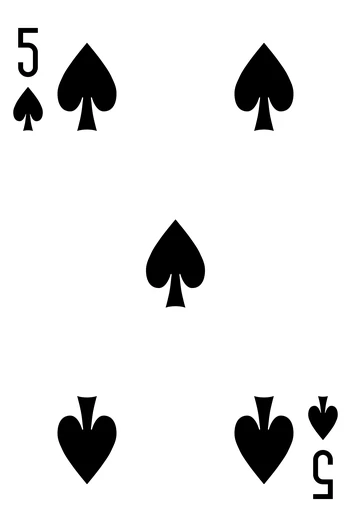
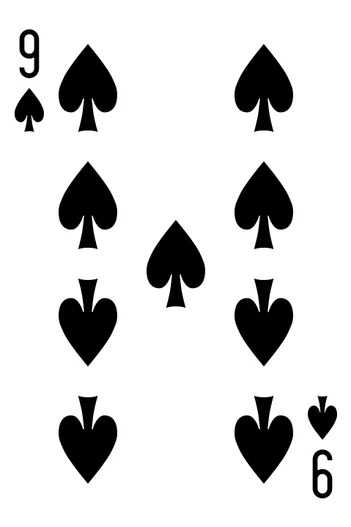
The Five of Spades in the first position sets the subject: you have hit a temporary obstacle. Perhaps an application was turned down, a meeting fell through, or you lost a dispute and could not get your points across. The setback feels painful, but it can be understood and repaired. The card advises you to work out what did not work rather than conclude that you are incapable.
The Nine of Spades in the second position changes the course. After the first setback the situation does not let go. It drags on. Problems pile up, your energy drains, and you feel the support has gone. That is why the order matters: first a short blow, then a long weariness. Once you see this link, you understand that what is needed now is not another attack but care for yourself and support from people nearby.
Love and Relationships
In a relationship this combination may describe a situation where one missed conversation or unspoken matter leads to a long coolness. First one partner does not say something important in time and the talk never happens. Then fatigue builds up, small quarrels recur, and there is a wish to pull apart. The card does not call for a breakup. It advises against settling things on a hard day and suggests starting by acknowledging your own part and bringing back a caring tone.
For single people this may mean a missed connection that leaves sadness and doubt about yourself. It need not become a verdict. The heavy feeling eases with time, especially if you do not shut yourself away.
Feelings, Thoughts and Intentions
Feelings. First comes irritation and disappointment at the failure. Then the feeling turns into deep tiredness, anxiety, and sadness that last longer.
Thoughts. Thoughts begin with the question of what went wrong. Then they circle: everything is going badly, strength is running out, no way out is visible. Notice this shift and do not let thoughts grow into self-blame.
Intentions. At first the person wants to understand the cause and try again. Later the intention changes to a wish to rest, step back, and wait things out, because there is no strength left for the fight.
Career and Work
At work the combination describes a lost project or rejection, followed by a stretch of overload and office politics. First you lose a key argument or do not get the position you wanted. Then tasks accumulate and colleagues and deadlines press harder. The card advises against taking on risky new projects and suggests restoring order to your workload. Ask for specific feedback, divide up tasks, and clear the most urgent items first.
Finances
In money matters this combination can mean a purchase or deal that goes wrong and brings unplanned costs. First an investment does not pay off, then a repair or a debt eats into the budget. The card advises against large purchases made in a hurry and suggests keeping a small reserve for a rainy day. Review regular payments that quietly swallow money each month.
Health
For health the combination reflects a move from a short disappointment to lasting tiredness. First plans fall through and irritation sets in. Then lack of sleep, tension, and weakness build up. This is not a diagnosis but a signal that your reserves are low. Rest, take walks, protect your sleep, and if symptoms persist, calmly see a doctor.
Situation and Question
In a specific question the combination says that things are not going as you hoped and are becoming harder. First something fails to come off, then circumstances grow more difficult. The card advises against pushing or forcing events. Wait, gather your strength, and watch how the surrounding circumstances develop.
Reverse Order
With the Nine of Spades before the Five of Spades, long exhaustion comes first, followed by a specific setback that deepens the heavy state. Restoring strength becomes the focus. With the Five of Spades before the Nine of Spades, the initial jolt is a concrete setback, a missed chance, or a lost argument. It leads into a drawn-out crisis, exhaustion, and worry. A short obstacle can stretch out if you do not stop and look after yourself. Compare: Nine of Spades and Five of Spades.
The Cards' Advice
Do not treat the first setback as a sentence, but notice the moment it starts to drag on. Work out exactly what did not work, and do not try to fix everything at once. Admit your tiredness, ask close people for support, and avoid major decisions on heavy days.
Five of Spades Combinations
Everyone Reads at Astralika
Enough theory: time to ask the cards a question of your own. There are 346 readings on love, work, health and more.
Your Birth Card
In cardology every day of the year has its own playing card. Enter your date of birth to see which one is yours and what it says about your character.