Five of Spades and Five of Hearts Playing Card Combination
A combination of the Five of Spades and the Five of Hearts: temporary setbacks, then changing feelings and jealousy.
In short. Five of Spades + Five of Hearts: First an obstacle or a missed chance, then emotional turmoil and misunderstanding that follow the failure.
The Five of Spades sets the starting point: a plan runs into an obstacle and the opportunity slips away. The Five of Hearts shows that after the setback come worry, jealousy and misunderstanding. Together the cards describe a situation in which a failure or rejection later affects feelings and relationships, and the person has to deal with the consequences of the failure itself and with what it has done to their trust in the people around them.
General Meaning of the Combination
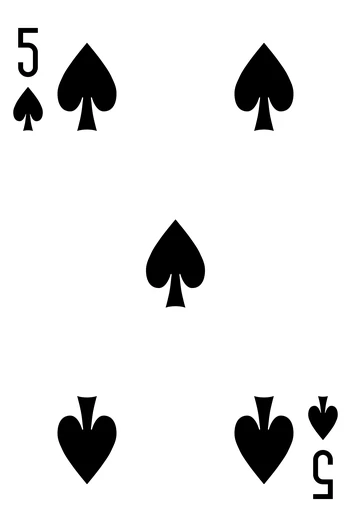
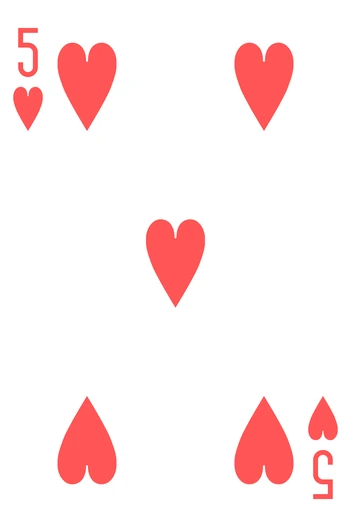
In this order the setback comes first, and the second card shows how it is experienced. The Five of Spades describes a project that was not approved, a conversation that never happened, or a deal that collapsed. The person faces the fact and realises they did not get what they wanted. The Five of Hearts, second, explains what follows: feelings start to waver, and irritation, jealousy or doubt about one's own choices arise.
This reading describes a reversed chain of cause and effect. It is not emotions that hold back action, but the failure itself that produces them. The person may believe they lost the chance because of someone else, begin to suspect, and compare themselves with others. After being passed over for a promotion, for example, they may decide a colleague won it through hidden manoeuvring, and stop trusting people who are in fact innocent. The emotions here are a result, and you can decide without letting them take the wheel.
Love and Relationships
In relationships this pair most often speaks of how one partner's feelings shift after a setback or rejection in their life. That person may become irritable, take offence at small things, or suspect the other of indifference. The jealousy here comes not from the partner's actions but from a general sense that everything has gone wrong.
For a single querent the pair can describe a rejection or an introduction that did not go anywhere, after which interest in someone else or doubts about oneself appear. The cards do not predict an outcome, but they show that a setback can push a person toward new feelings and questions.
Feelings, Thoughts and Intentions
Feelings. At first you feel disappointment, irritation or bitterness over the setback. Later worry and jealousy join in, and your feelings cool and flare by turns. You may feel that you have lost your footing and cannot tell what you feel, especially if the setback is tied to someone you trusted.
Thoughts. Your thoughts circle around why it happened, what you did wrong, and whether you should have acted differently. Then they turn to other people: you assume things worked out for them and start reading into how they regard you.
Intentions. At first you want to step back and wait out the setback. Then the wish to understand what went wrong and talk to people who can affect the situation appears. But because of the turmoil the intention can become hesitant: you look for answers without knowing which way to turn.
Career and Work
At work this pair describes a rejection after which a project or proposal did not go through, and you start doubting yourself and comparing your results with others. Tension with colleagues who got a promotion or approval is possible. It is better to analyse what can be improved and ask for feedback, without letting resentment steer the conversations.
Finances
On money the pair points to a collapsed deal or a missed gain, followed by spending made on emotion: a purchase to lift your mood, or a gift to ease irritation. It is sensible to cut back and avoid decisions until the feelings settle.
Try our readings
Health
Health here is tied to tension and disappointment. The setback and turmoil affect sleep and appetite. Walks, rest and fewer worrying conversations in the evening all help.
Situation and Question
The situation first goes against you, and then emotional confusion is added. For now it is better not to rush, to assess calmly what happened, and not to draw conclusions about the people around you.
Reverse Order
In this order the obstacle takes centre stage. The Five of Spades, first, sets the cause: the plan failed and the chance was lost. The Five of Hearts, second, describes how this affects feelings and relationships. Reverse the cards and the emphasis shifts: jealousy and changing feelings come first, and then cause a plan to fail or a chance to be missed. Compare: Five of Hearts and Five of Spades.
The Cards' Advice
After a setback do not blame yourself or others straight away. Work out what actually happened, and stop filling in other people's motives with your own guesses. If feelings get in the way of seeing clearly, put off serious decisions until the feelings settle, then talk with someone you trust who can help you look at the facts calmly.
Five of Spades Combinations
Everyone Reads at Astralika
Enough theory: time to ask the cards a question of your own. There are 346 readings on love, work, health and more.
Your Birth Card
In cardology every day of the year has its own playing card. Enter your date of birth to see which one is yours and what it says about your character.