Should I Change Jobs? — Playing Card Reading

An employer asks when you could start, and suddenly changing jobs involves a date rather than a vague intention. A better salary can look convincing before you have worked out the gap between paydays. This free online playing card reading looks at the practical course of a move. You can consider its overall outcome separately from your future income, since a pay rise and a satisfying job are different things. There is also a question about finding suitable work. A quick response does not settle whether an opening meets your needs, while a slow search can leave you wondering how long to hold on. Timing matters here. Another part of the spread explores what leaving too soon could cost, alongside the outlook for staying in your current role. Before choosing your cards, bring one concrete reason for moving to mind. You might need dependable pay or an end to regular unpaid overtime. That gives you something useful to compare with the answer. Use this moment as space to think through a job change, then check the pay arrangements and notice requirements in the documents that apply to you. Your next step should fit your circumstances.
Your Reading Is Ready
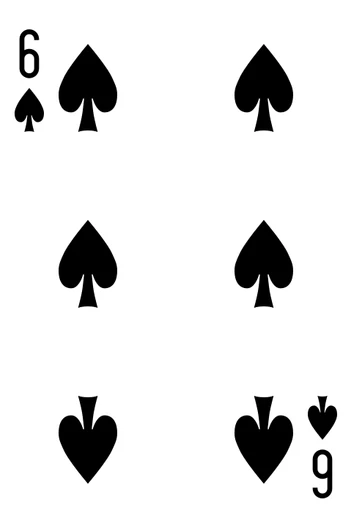
1Will my job change go well?
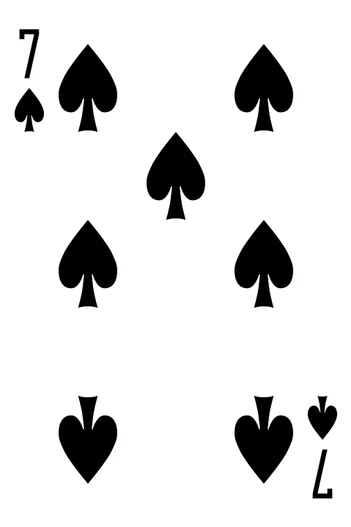
2What happens if I stay?

3What happens to my income after moving?
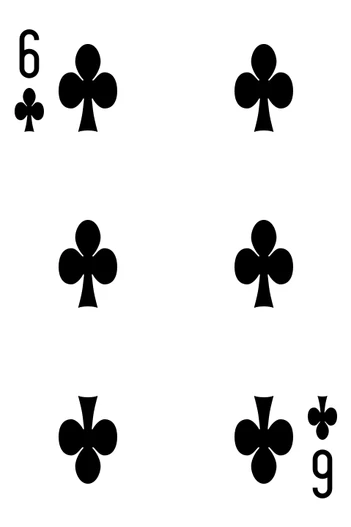
4Will I find a suitable job quickly?

5What could happen if I quit too soon?
Save Your Reading
What the reading reveals
-
Will my job change go well?
A move involves paperwork and getting used to different duties. How smoothly that adjustment could go and whether the outcome fits what made you consider leaving your current job.
-
What happens if I stay?
Your familiar role remains an option. The course of events in that workplace, shifts in your workload and opportunities still available if you decide to stay for now.
-
What happens to my income after moving?
A new salary does not always become reliable income straight away. The financial side of moving, including gaps between payments and expenses you would need to get used to.
-
Will I find a suitable job quickly?
Searching for a vacancy and receiving an offer take different amounts of time. The pace of your progress towards suitable work and circumstances that could hold up responses.
-
What could happen if I quit too soon?
You can hand in your notice in an emotional moment, but the consequences continue after you leave. Losses and difficulties linked to leaving before your next step is ready.
Recommended
Total 13












Your Birth Card
In cardology every day of the year has its own playing card. Enter your date of birth to see which one is yours and what it says about your character.
Guess the Card Meaning
Playing Card Reference
Want to read playing cards yourself? Learn the meaning of all 36 cards by suit and element and build your own spreads.





When to do a reading
You compare the salary with the commute
The salary looks better on paper, but the commute would cost more and part of your pay depends on targets. The increase starts to shrink as you work through the details. You want to know what would actually be left in your account after ordinary expenses.
You wait for a bonus before leaving
A bonus depends on finishing a large project. You are already looking at vacancies, but worry that leaving would mean giving up money you have earned. Each urgent request from management makes the wait harder. How long can you keep postponing your notice?
You keep interviewing without an offer
Applications lead to conversations, yet none has turned into an offer. At your current job, hiding your frustration is getting harder. Repeated rejection has started to shake your confidence, and you catch yourself considering roles with a salary you would once have ruled out.
You want to quit after another late shift
Another shift runs late and you want to resign before you even get home. The thought of a handover feels exhausting. You have savings, but cannot tell how long a break they would cover if the search drags on. Tomorrow morning feels a very long way away.
You stay because the routine is familiar
You know the routine, get paid on time and rarely have a serious disagreement at work. Interest in the actual tasks faded long ago. Most evenings you browse vacancies, then close the page without applying. What would make tonight different from the last one?