Ten of Spades and Five of Spades Playing Card Combination
Combination of the Ten of Spades followed by the Five of Spades: a long hard stretch that ends in a temporary setback and a missed chance.
In short. Ten of Spades + Five of Spades: The Ten of Spades shows a heavy run of difficulties, and the Five of Spades says it ends in a setback or a missed opportunity.
This pair describes a path where a long hard stretch comes first and then everything ends in a setback, a dispute or a missed chance. The first card sets the subject, which is the drawn-out run of troubles. The second shows how it turns out. The setback here is not necessarily a verdict, but it can genuinely derail the plan.
General Meaning of the Combination
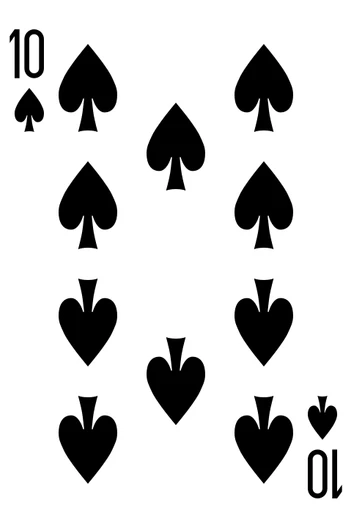
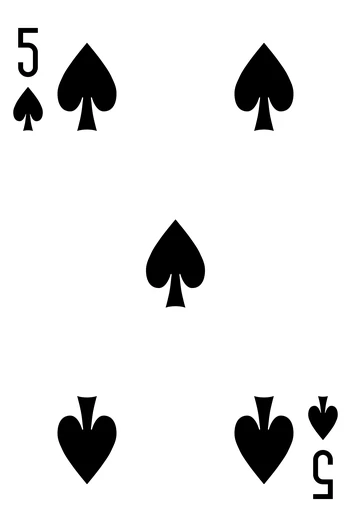
The Ten of Spades speaks of difficulties stacking up. Tasks pile on one after another, calm is scarce, and familiar plans have to be dropped. Then the Five of Spades arrives and changes the picture: the long stretch ends in a setback, a refusal or a chance that slips away. A person may spend a great deal of strength and still fail to get what they were counting on.
The order of the cards shifts the emphasis. The prolonged trial comes first, so the main theme is the weight of the path itself. The outcome arrives in the second card. The card advises not closing your eyes to a possible failure at the end and deciding in advance what reserve of strength and what plan you will need if defeat comes.
Love and Relationships
In relationships this pair most often speaks of a long tension that finally leads to a quarrel, disappointment or a breakup. First the unspoken things and small clashes build up, and then comes a moment when the couple realises they missed the chance to reach an agreement. For singles, the cards speak of long doubts after which a connection does not take shape.
If the tension has been building for a long time, the card advises not waiting for it to explode into a row. It is better to say plainly what is bothering you. Otherwise weariness with each other can lead to a split that could have been prevented.
Feelings, Thoughts and Intentions
Feelings. At first there is anxiety, low spirits and fatigue from long worry. Then annoyance and bitterness join in when it becomes clear the effort has brought no result. A person may feel drained and resentful toward circumstances.
Thoughts. Thoughts are first taken up with how to cope with the piled-up tasks and where to find strength. Then they move to the question of why nothing has come together. A person may wonder whether it was worth dragging on and whether it would have been better to step back sooner.
Intentions. The intention this pair suggests has two parts: first, to hold on and avoid sharp moves, and then to accept the setback without spending the rest of your strength on a hopeless struggle. A person may want to wait out the hard period and then withdraw calmly or try another route.
Career and Work
At work this pair can begin with a long period of stalled projects and piled-up routine, then lead to a refusal or a lost argument. At first it is worth keeping your focus on the main tasks and not taking on other people's work. If the outcome turns out badly, it helps to ask for honest feedback and understand what to improve next time.
Finances
In this pair money first goes toward settling drawn-out problems such as fines, repairs, paperwork and unexpected costs. Then a financial setback may come, such as a failed deal or an investment that did not meet expectations. The card advises against large commitments in a difficult period and recommends keeping a reserve in case of defeat.
Health
This pair describes prolonged overtiredness and nervous strain that can lead to a drop in energy. This is about everyday routine: sleep, rest and ordinary walks, not any diagnosis. It helps to plan rest in advance so you are not run down completely when a setback arrives.
Situation and Question
In a specific situation this pair means the matter first drags on hard and then ends in a setback or a missed opportunity. You will most likely have to go through many approvals and obstacles, after which the result will not be what you hoped for. The card gives an honest warning, so it is wise to prepare for different outcomes.
Reverse Order
In the reverse order, Five of Spades followed by Ten of Spades, the order of the cards decides where things start and how they unfold. The Five of Spades sets the subject: a specific setback, refusal or missed chance. The Ten of Spades shows that this setback turns into a long run of troubles, obstacles and fatigue. So the first card explains where the unpleasantness comes from, while the second says how long it will last and how heavy it will feel. Compare: Five of Spades and Ten of Spades.
The Cards' Advice
Conserve your strength during the long stretch and do not waste it on hopeless fronts. Think ahead about what you will do if the outcome is a setback, so you are not left at a loss. A calm view of a possible refusal helps you regain your footing faster.
Ten of Spades Combinations
Everyone Reads at Astralika
Enough theory: time to ask the cards a question of your own. There are 346 readings on love, work, health and more.
Your Birth Card
In cardology every day of the year has its own playing card. Enter your date of birth to see which one is yours and what it says about your character.