Two of Diamonds and Five of Spades Playing Card Combination
The combination of Two of Diamonds and Five of Spades: first a profitable agreement, then temporary obstacles and a lost argument.
In short. Two of Diamonds + Five of Spades: An agreement opens the door first, and then testing the terms brings difficulties.
The Two of Diamonds and the Five of Spades together describe a partnership that starts well but meets obstacles. The first card shows an alliance, an exchange or negotiations that go smoothly. The second warns that progress may slow, deadlines may shift, and in a dispute over terms one side may gain the upper hand. The pairing suits anyone who has already reached an agreement and wants to know what lies ahead.
General Meaning of the Combination
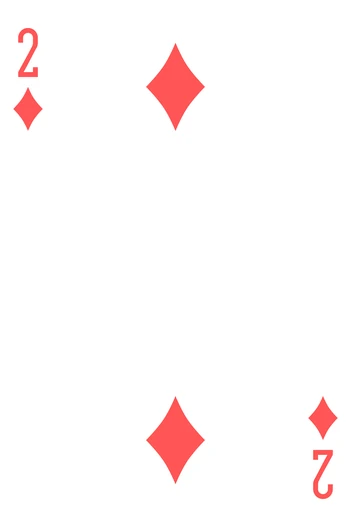
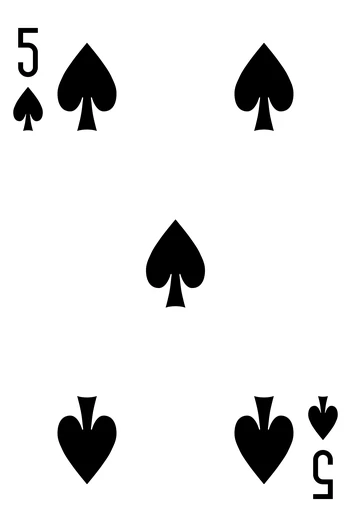
When the first card comes before the second, the start looks encouraging. People find common ground, swap services or sign an agreement. The Two of Diamonds describes this phase as a fair exchange in which each gets what they lacked. The Five of Spades, however, warns that a deal may be followed by difficulty. A plan that seemed sturdy can run into delay, refusal or a disagreement over how exactly to carry out the terms.
The sequence therefore runs from agreement to a test of strength. This does not mean the arrangement is doomed. Rather, the card warns that a good beginning does not cancel the need to watch the details and raise contested points in good time.
Love and Relationships
In a relationship this pairing begins with mutual contribution and support, and may later bring misunderstanding. You and your partner agree on a budget or on sharing duties, and at first it works well. Then a dispute arises about who did more or whose view will prevail. The Five of Spades suggests that resentment or a missed moment for an honest conversation may linger after the argument.
For example, you split expenses as agreed for a month, but at one point one of you gave in only partly, and that caused a quarrel. To prevent a repeat, sit down again and talk through the terms before irritation builds up.
Feelings, Thoughts and Intentions
Feelings. At first the person feels trust, optimism and joy in the shared venture. Then these feelings can turn to irritation if something goes off plan. The disappointment need not be deep, but it can noticeably spoil the mood.
Thoughts. At first thoughts are taken up with how best to use the agreement and the exchange. Later questions arise: is the other side keeping to the terms, has everything been covered, are there hidden difficulties? Reflection moves from planning to judging what has really been achieved.
Intentions. Intentions are aimed at keeping the agreement intact and not letting it fall apart over small matters. The person is ready to discuss contested points and, if needed, revise part of the terms. There is a wish to test how stable the arrangement really is.
Career and Work
At work this pairing often describes successful negotiations or a signed contract, followed by difficulty in carrying it out. For example, you agreed a profitable partnership with a supplier, but the delivery date slipped and you had to argue over compensation. The Two of Diamonds opens the door, while the Five of Spades shows that the execution stage will need care and readiness to defend your position. It helps to set deadlines and responsibilities in writing in advance so a dispute does not grow out of small matters.
Finances
With money, the pairing describes a fair exchange or a shared purchase, after which a dispute about dividing costs or a missed gain may arise. You agreed to split the costs of a shared project well, but later it turned out one participant paid less than promised. The card advises not leaving such points without clear figures and a written record. The point is sensible control of spending, not a promise of income.
Health
For health, the pairing points to a good start to a supportive habit, such as training or a routine with a friend. Then a lapse may come through busyness or a disagreement, and this becomes a source of tiredness and irritation. The best way out is to return to the agreement on regular walks or sleep without demanding perfection from yourself.
Situation and Question
In everyday life the pairing describes how a well-started plan meets a delay. You agreed with a neighbour to repair a shared hallway, and the work got going. Then a dispute arose over who was responsible for the materials, and the timing slipped. This situation calls for a conversation and clarifying roles, or resentment will keep growing.
Reverse Order
The order matters: first agreement and exchange, then obstacles and dispute. The Two of Diamonds sets the tone and shows the real gain from cooperation. The Five of Spades answers it and says that every gain has a flip side that must be considered. In a situation, it therefore helps first to secure the agreement and then to think through what might go wrong. If the cards are swapped, the meaning shifts from setback to recovery through partnership, but with the Two of Diamonds followed by the Five of Spades, the pairing says a good start may meet difficulties on the way to the result. Compare: Five of Spades and Two of Diamonds.
The Cards' Advice
Put everything you have agreed on in writing, including the dates and the people responsible for each part. If a dispute arises all the same, first establish what actually happened instead of starting by blaming the other side. Be ready for the original terms of the agreement to need a small adjustment.
Two of Diamonds Combinations
Everyone Reads at Astralika
Enough theory: time to ask the cards a question of your own. There are 346 readings on love, work, health and more.
Your Birth Card
In cardology every day of the year has its own playing card. Enter your date of birth to see which one is yours and what it says about your character.