Five of Spades and Two of Diamonds Playing Card Combination
The combination of Five of Spades and Two of Diamonds: first a temporary setback, then a profitable agreement and partnership.
In short. Five of Spades + Two of Diamonds: A setback comes first, followed by an agreement that helps recover what was lost.
The Five of Spades and the Two of Diamonds together describe a move from disappointment to cooperation. The first card names a setback: a plan fell through, a position went to someone else, a dispute was lost. The second shows the way forward runs through negotiation and partnership. The pairing suits anyone tired of trying alone and wondering whether a companion would make things easier.
General Meaning of the Combination
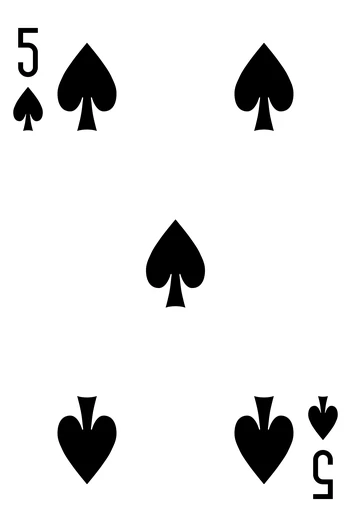
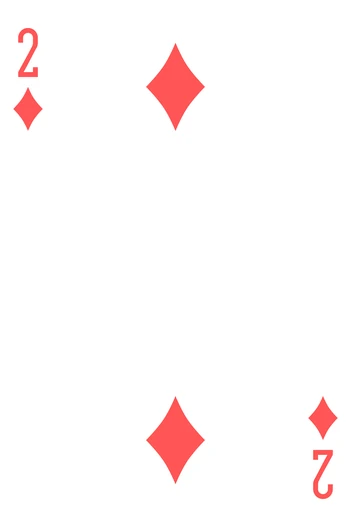
When the first card comes before the second, the setback is real and cannot be denied. You may have prepared for a meeting, submitted an application or waited for a decision, and the outcome went against you. The Five of Spades says this is a temporary obstacle, not a verdict on your ability. On its own, however, it gives no direction. The Two of Diamonds supplies that. It suggests the answer lies not in stubborn solo effort but in an alliance. A missed chance can be recovered if you find someone whose interests overlap with yours and propose terms that suit both of you.
The sequence therefore runs from frustration to searching for support. This does not mean a partner will simply appear. The card advises opening a conversation with people you know and being willing to talk through terms plainly.
Love and Relationships
In a relationship this pairing points to a misunderstanding that gradually gives way to mutual support. There may first be a quarrel or an awkward moment when you did not say something important in time. The Five of Spades describes this as a missed moment, and you may feel irritation over it. The Two of Diamonds advises not to leave the talk for later, but to return to it and agree how you will share worries and decisions.
For example, after an argument about money or household chores, you and your partner sit down and write who takes on what. The resentment gives way to a clear plan, and the relationship grows calmer.
Feelings, Thoughts and Intentions
Feelings. At first the person feels annoyance and a mild bitterness over the setback. There may be a sense that circumstances are stacked against them. The feeling is temporary and does not call for long sorrow, but it is noticeable and gets in the way of moving on.
Thoughts. Thoughts circle around what went wrong and whether it could have been avoided. Then another idea arrives: perhaps one person cannot manage alone, and it is worth finding someone to help. Reflection moves from asking why it happened to asking how to fix it together.
Intentions. Intentions are aimed at not giving up and finding a suitable partner. The person is ready to sit down at the table, discuss terms and agree on who does what. There is a wish to leave the situation not alone, but with another person's support.
Career and Work
At work this pairing often speaks of moving from failure to a deal. For example, a project is turned down, but after talking with your manager you propose a joint revision with a colleague, and it is accepted. The Five of Spades shows the first attempt did not work, and the Two of Diamonds suggests a partnership can revive interest in your idea. It helps to work out why the earlier proposal failed and offer a new version with clearly divided roles.
Finances
With money, this combination describes first a loss or a refused good purchase, then a chance for a fair exchange or a shared investment. You may have lost a small argument over price or missed a discount, but later agree with someone to buy jointly. This lowers costs on shared terms and splits responsibility. The point is to spread spending sensibly, not to promise income.
Health
For health, this pairing marks a shift from low energy to support. Tiredness or irritation after a setback may first disturb sleep. Then shared activity helps: walks or workouts with a friend you have agreed to exercise with regularly. It is a simple way to release tension and keep a steady routine without making bold promises.
Situation and Question
In everyday life the pairing describes how a failed plan turns into an agreement. You planned a trip, but it fell through. Then you find a travel companion or agree with a neighbour to split the costs, and the trip goes ahead after all. Circumstances do not sort themselves out, but need a conversation and willingness to compromise.
Reverse Order
The order matters: first the setback, then a way out through cooperation. The Five of Spades sets the tone and names a real problem that cannot be ignored. The Two of Diamonds answers it and shows that a solution will come through dealing with others. In a situation, it therefore helps to admit first that the plan did not work and only then look for an ally. Reversing the cards shifts the meaning from agreement to testing its consequences, but with the Five of Spades followed by the Two of Diamonds, the cards describe a path from defeat to recovery through partnership. This line of thought helps you avoid getting stuck in resentment and move into action. Compare: Two of Diamonds and Five of Spades.
The Cards' Advice
Admit the setback without long justifications and work out what got in the way. Then find someone whose interests are close to yours and propose specific terms. Write the agreement down so that a month later nobody argues about what was decided.
Five of Spades Combinations
Everyone Reads at Astralika
Enough theory: time to ask the cards a question of your own. There are 346 readings on love, work, health and more.
Your Birth Card
In cardology every day of the year has its own playing card. Enter your date of birth to see which one is yours and what it says about your character.