Ten of Spades and Two of Spades Playing Card Combination
The Ten of Spades followed by the Two of Spades means a hard period ending in separation or parting.
In short. Ten of Spades + Two of Spades: The Ten of Spades sets a rough stretch, and the Two of Spades shows its break.
When the Ten of Spades appears, a person enters a long stretch of troubles and worries. The Two of Spades after it shows that this burden leads to a breakup, a parting, or a painful choice between two paths. Together the cards describe a situation where tension built up over time and now a rupture or decision has arrived. A person feels the weight growing every day and understands that postponing a conversation or a decision is no longer possible.
General Meaning of the Combination
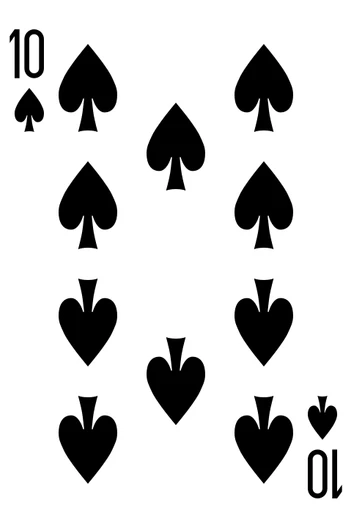
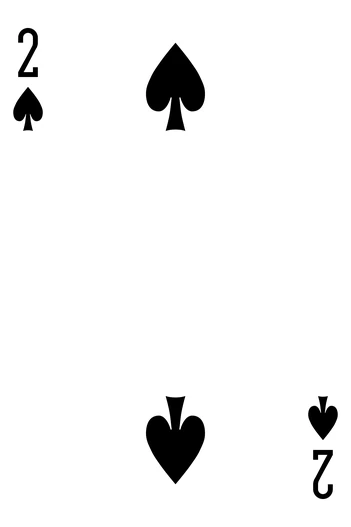
The Ten of Spades shows that progress is hindered by obstacles. Every action takes extra effort, and deadlines shift. When the Two of Spades follows, it becomes clear that one connection cannot withstand the load. This may be a partnership, a friendship, or a close relationship. A person spends strength solving problems, and in the end faces the need to part ways or make a choice that affects a lot. The second card does not soften the first. It shows where this heaviness leads. If the situation drags on, new complications accumulate, and one must act more carefully to avoid losing more than necessary.
Love and Relationships
In relationships, this pair speaks of a crisis that ends in a breakup or a pause. Partners accumulated misunderstandings, quarreled over small things, and felt themselves drifting apart. The Ten of Spades shows a hard stretch, and the Two of Spades shows that this stretch leads to a separation or an enforced parting. Sometimes one partner hides important information, and that becomes the last straw. The couple either splits up or agrees on a temporary pause to understand what each of them really wants. If the couple decides to stay together, the relationship remains heavy and requires much patience from both.
Feelings, Thoughts and Intentions
Feelings. A person feels tiredness and pain from prolonged problems. Built-up pressure weighs on them, and a premonition of an inevitable parting appears. The mood is heavy, and the heart prepares for a loss. A person cannot relax because they expect a blow at any moment.
Thoughts. Thoughts focus on how to cope with tasks and at the same time decide the fate of the relationship. A person considers which path to take and understands that one option will require a sacrifice. There is no clarity, and every step seems risky. A person returns to the same thoughts and finds no peace.
Intentions. The intention is to make a difficult decision, even if it is painful. A person is ready to let go of what no longer works, or to step into the unknown to end stagnation and tension. A person wants to end uncertainty and begin a new stage, regardless of what the result will be.
Career and Work
At work, projects stalled, and a team or partnership begins to fall apart. A colleague leaves, shared matters are divided, and one must decide whether to stay in a team with a hidden conflict. Contracts and obligations need careful checking so as not to lose more than necessary. A person spends much time solving other people's problems and cannot focus on their own tasks.
Finances
Money goes toward solving problems, fines, and unexpected expenses. Loss of funds is possible through deceit or the end of a business partnership. One should protect interests on paper and not invest in dubious matters during this period. It is better to postpone large purchases and investments until a more stable time.
Health
A person feels exhausted from chronic stress and lack of sleep. Emotional strain from conflicts and difficult choices causes tiredness and insomnia. One should slow down, get enough sleep, and not ignore the body's signals of overload. If one does not rest, the condition may worsen and lead to illness.
Situation and Question
The situation develops slowly and with many obstacles. At some point it becomes clear that a choice must be made, and both options seem imperfect. Something will have to be left behind, and the decision can no longer be postponed. A person stands before the necessity of acting, even if any option brings losses.
Reverse Order
The Ten of Spades comes first and sets the general tone of a hard stretch. The Two of Spades comes second and shows that this stretch ends in a breakup or a painful choice. If the cards are swapped, the emphasis shifts to a choice that by itself leads to difficulties and troubles. The order of the cards matters because the first card creates the context, while the second shows the result of that context. Compare: Two of Spades and Ten of Spades.
The Cards' Advice
Do not fight on every front at once. It is better to handle matters one by one, set aside what is secondary, and talk honestly about what matters more. If a bond is breaking, letting go is sometimes better than holding on by force. It is important not to make rash decisions while tired. It is better to wait until emotions settle and then make a decision.
Ten of Spades Combinations
Everyone Reads at Astralika
Enough theory: time to ask the cards a question of your own. There are 346 readings on love, work, health and more.
Your Birth Card
In cardology every day of the year has its own playing card. Enter your date of birth to see which one is yours and what it says about your character.