Who Am I? — Playing Card Reading

Every day you make dozens of decisions, and most of them are not yours. Habits and outside expectations. All of it runs on autopilot until one day you stop and realize you do not know yourself. This free online playing card reading does not dig into your subconscious or analyze childhood. A five card spread shows what is happening with you right now, which habit is doing damage, and how people around you see you. Playing cards work differently from tarot or runes. Each suit covers its own area. Hearts deal with feelings, diamonds with money and daily life, clubs with work, spades with worries. That makes the spread practical and grounded. Instead of abstract talk about the essence of your personality you get a concrete answer about how you behave and where it leads. A card reading for self-discovery suits anyone who wants results without long preambles. You will see what defines your character today, which habits work against you, and what shifts once you stop playing a role that was never yours. Five positions show where you are pretending and what comes of it. No philosophy, just the point.
Your Reading Is Ready
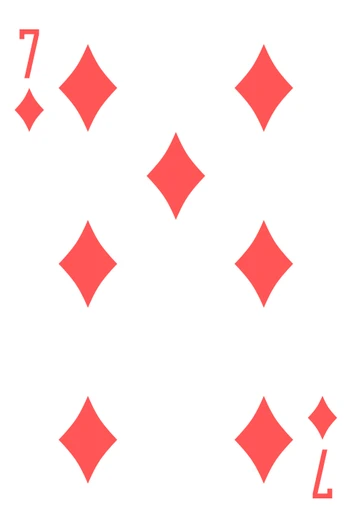
1What defines my character right now?
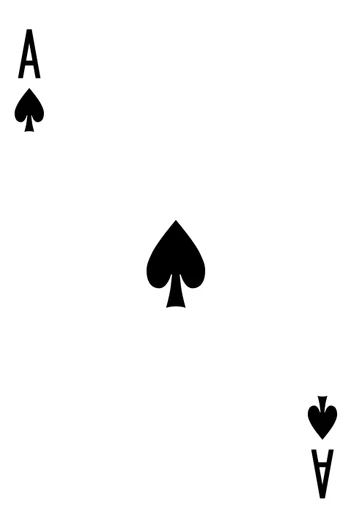
2Which habit is hurting me without me noticing?
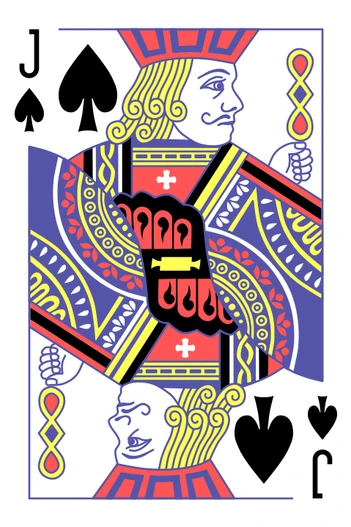
3What will change if I stop pretending?
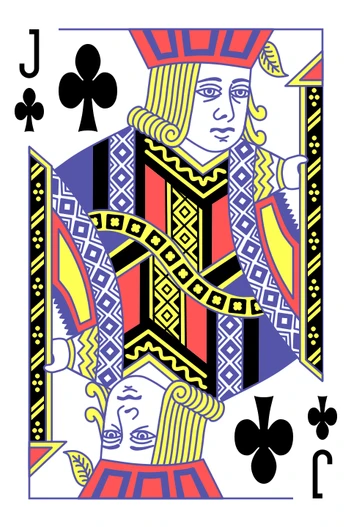
4How do people see me at work and in social settings?
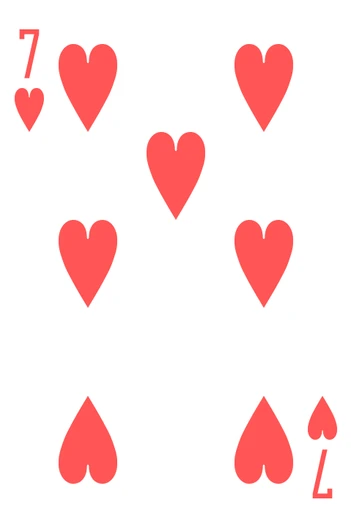
5What single action would reveal who I am without a mask?
Save Your Reading
Recommended
Total 10








Guess the Card Meaning
Playing Card Reference
Want to read playing cards yourself? Learn the meaning of all 36 cards by suit and element and build your own spreads.
What the reading reveals
-
What defines my character right now?
Not your character as a whole, but what drives your decisions right now. Your current state, mood, circumstances. In six months the picture could look completely different.
-
Which habit is hurting me without me noticing?
A habit you do not even consider a problem. It has woven itself into your daily life so tightly that you stopped noticing. People around you see it and say nothing.
-
What will change if I stop pretending?
You have been playing by other people's rules for years. What actually happens if you decide to be yourself. Not a vague promise of improvement, but tangible consequences.
-
How do people see me at work and in social settings?
How you think of yourself at work and how your colleagues actually see you. Two images that rarely overlap. The gap between them often accounts for friction and missed opportunities.
-
What single action would reveal who I am without a mask?
One concrete step that lets others and yourself see who you are without the usual roles and masks. Not a life overhaul, but a single move you can make today.
When to do a reading
You do one thing while wanting something entirely different
In the morning you put on clothes you do not like, drive to a job that does not inspire you, smile at people you would rather not talk to. By evening the fatigue piles up and rest does not fix it. Because you are not tired from tasks. You are tired from the gap between what you do and what you want.
Your words and your actions stopped matching long ago
You say I do not care, then spend half the night replaying the conversation. You promise yourself not to react, then an hour later send a long message. You politely agree, then regret it. Your words and actions live separate lives, and you notice it yourself but cannot seem to stop.
You do not recognize yourself in the mirror
You look at old photos and cannot figure out where that person went. Your appearance did not change, something inside did. You cannot quite name what you lost, but you clearly feel that the person on the screen and the one standing here have very little in common.
Everyone is happy with you except you
Your boss praises you, friends invite you out, your partner has no complaints. From the outside everything looks fine. But inside there is a feeling you are doing something that is not yours. Like an actor who nails the part but forgot who he is without the costume. The better you perform, the harder it gets to return.
You feel like you are playing someone else's part at work
In meetings you say what is expected. With friends you match the group mood. At home you behave so as not to create problems. And when you are finally alone you do not know what to do or think, because you are used to reacting, not choosing.