Ten of Hearts and Two of Diamonds Playing Card Combination
The combination of Ten of Hearts and Two of Diamonds: a happy foundation that is tested by practical choices and honest agreements.
In short. Ten of Hearts + Two of Diamonds: The Ten of Hearts gives a foundation of happiness and closeness, while the Two of Diamonds shows that this foundation must be maintained through honest exchange and shared decisions.
This combination begins with the sense that life is going well overall. The Ten of Hearts speaks of a warm home, close people, and wishes gradually coming true. The Two of Diamonds adds practicality: agreements, a fair exchange, and dividing responsibilities matter here. Together the cards describe a family or couple where happiness rests on feelings and on how people handle shared time, money, and duties.
General Meaning of the Combination
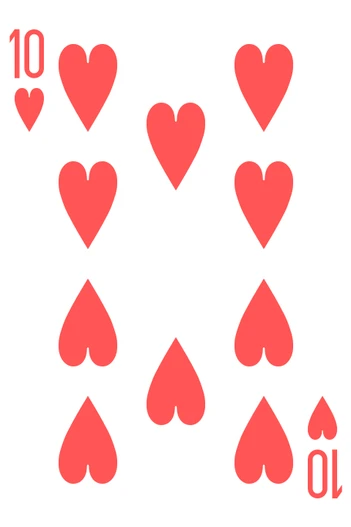
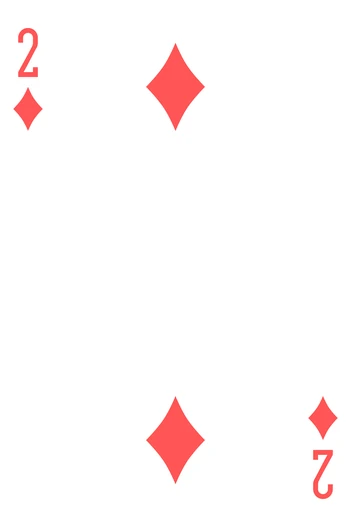
The first card sets the theme. The Ten of Hearts speaks of completeness, joy, and the fulfillment of a long-held hope. It might be a wedding, a move into the home you searched for for years, or a reconciliation with someone close after a long pause. The central idea is that you have reached a state of peace, when outer circumstances match your inner wishes.
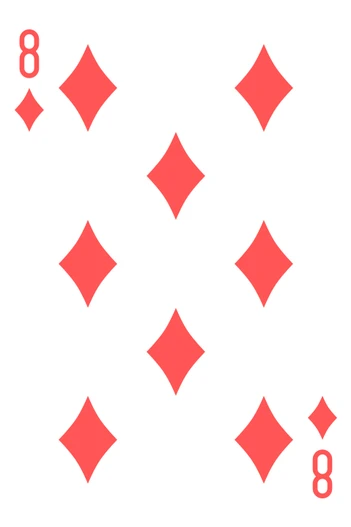
The second card changes the direction. The Two of Diamonds moves happiness into the realm of exchange and agreement. Now it matters how you divide tasks, how much each person contributes, and what each receives in return. A situation that began as a celebration will need simple order so it does not turn into an argument about who owes what.
Love and Relationships
In a love spread, this order of cards means a strong bond in which both partners are content living together. You understand each other almost without words, and the home is full of warmth. The Two of Diamonds adds an important detail: partners support each other through words and deeds. For example, you plan the renovation budget together, or decide who takes on cooking and cleaning so that neither feels short-changed.
The second card also warns that warm relationships sometimes rest on the unspoken assumption that everything will sort itself out. It is better to say aloud who contributes what than to resent unfairness later.
Feelings, Thoughts and Intentions
Feelings. You feel a calm joy and deep contentment that life is turning out well. Alongside it comes a sense of security, because the people you love are near and supportive. Sometimes a faint worry appears that such happiness is fragile and must be guarded.
Thoughts. Your thoughts circle around the future: how to keep the family cozy, how to share the cost of big purchases, how to make sure celebrations do not end with one person exhausted. You think about honesty in the relationship and whether the way your shared life is arranged feels fair.
Intentions. The intention here is simple: strengthen what is already good and do it through clear agreements. You are ready to talk openly about money and duties so that the joy is shared and not spent on arguments.
Career and Work
At work, this pairing points to a successful project that brings satisfaction and recognition from colleagues. The Ten of Hearts adds a warm atmosphere to the team, while the Two of Diamonds asks that roles be clearly divided. For instance, you finished a project successfully, but before celebrating it is worth discussing honestly who contributed what, so that praise reaches everyone.
Finances
Here the subject is how a family or couple handles shared money. The pairing may symbolize a joint purchase of something big, such as furniture or a trip, that both sides want. The Two of Diamonds reminds you that such spending is best divided in advance rather than decided on the fly.
Health
For health, this means a calm daily rhythm: enough rest, regular meals, and shared walks that release built-up tension. If you are tired of household worries, it helps to share the duties so that one person does not burn out.
Situation and Question
In a specific situation, the pairing points to a favorable outcome if both sides are willing to agree. For example, a question about moving or renovating can resolve well if you decide at once who pays for what and who handles the arrangements.
Try our readings
Reverse Order
The first card, the Ten of Hearts, sets the picture of fullness and warmth, and the second card, the Two of Diamonds, explains how to keep that fullness. In reverse order the picture changes: first comes the theme of agreement, and then, as a result, joy and the fulfillment of wishes arrive. In this layout, the important thing begins with a practical conversation that later leads to domestic wellbeing. Compare: Two of Diamonds and Ten of Hearts.
The Cards' Advice
Do not postpone the talk about money and duties until it becomes a reason for a fight. Sit down together, write down who is responsible for what, and agree on a simple way to split expenses. Then the happiness you are building will rest on clarity, not on hope.
Ten of Hearts Combinations
Everyone Reads at Astralika
Enough theory: time to ask the cards a question of your own. There are 346 readings on love, work, health and more.
Your Birth Card
In cardology every day of the year has its own playing card. Enter your date of birth to see which one is yours and what it says about your character.