Seven of Spades and Two of Spades Playing Card Combination
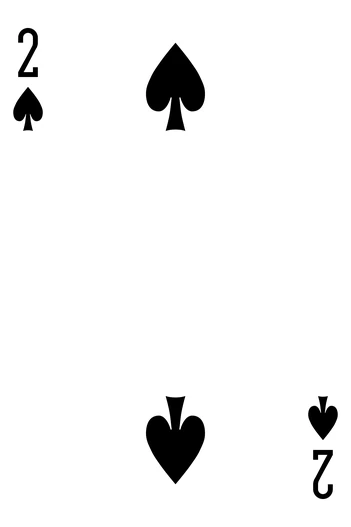
A combination of the Seven of Spades followed by the Two of Spades: first sadness and small troubles, then separation, deceit, or a hard choice.
In short. Seven of Spades + Two of Spades: Hurt that starts small grows into a serious decision about separation or a difficult choice.
This combination begins with a sadness that barely shows from the outside but slowly grows heavier. The Seven of Spades speaks of disappointment and an unpleasant talk, while the Two of Spades shows that the matter is no longer just a grudge but a question of whether the bond can stay the same. Together the cards describe someone who first absorbs small stings and then has to decide what matters most.
General Meaning of the Combination
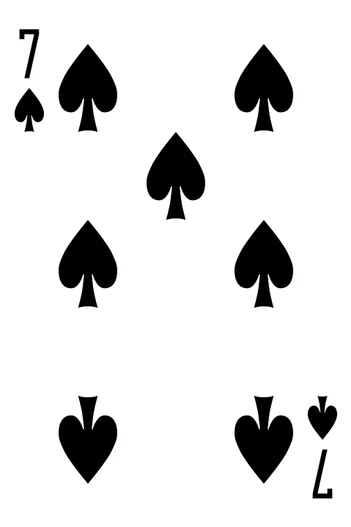
The Seven of Spades in the first position sets the tone. The person feels upset by words, a hurtful remark, or an expectation that fell through. They may cry, feel angry at themselves or the other person, and wonder whether it is worth raising the subject at all. This is ordinary quiet pain that can be borne, provided it has a way out.
The second card, the Two of Spades, changes where things go next. A small grievance becomes a reason to think about something serious: a breakup, hidden dishonesty, or a choice between two important paths. It is the second card that decides whether the conflict stays in place or leads to a split and a new decision.
Love and Relationships
In relationships this combination most often describes a quarrel that eventually gets out of hand. At first partners trade sharp remarks, one of them takes offence and goes quiet, and the other does not understand what happened. Later it becomes clear that silence and unspoken things already stand between them, and the question is put plainly: do we still need each other? Sometimes this is tied to suspicion of insincerity or a third person, though the cards do not state this for certain.
For a single person the combination suggests that disappointment from a date or a chat comes first, and then it turns out the other person was not fully honest about their intentions. Do not draw conclusions from a single hurt, but do not ignore repeated evasions either.
Feelings, Thoughts and Intentions
Feelings. At first there is sadness and mild disappointment, which quickly turns into heaviness and pain. A person may feel cheated or unfairly hurt, and then realises the hurt has gone deeper than it seemed. Tension builds inside, especially if the matter involves someone close.
Thoughts. Thoughts first circle around one unpleasant conversation or remark. Then they move further: what happens if it all ends, who is to blame, whether the past can be restored. The person tries to work out whether the other is telling the truth or hiding something important, and that makes calm thinking difficult.
Intentions. At first the intention is simple: to cry, rest, and let the small hurt go. Later it becomes more serious. The person wants to ask directly about what worries them and make a decision, even if it hurts. It matters that this step is honest and not driven by a passing flash of anger.
Career and Work
At work small troubles can come first: a manager's remark, a curt reply from a colleague, dull correspondence. These frictions may later grow into a team falling apart, a colleague leaving, or a shared project being split. If you have to choose between two offers, weigh what matters more: respect in your current group or a new path, even with risk.
Finances
Money matters may first cause irritation: an unexpected bill or a refused small bonus. Over time the topic can move to heavier things, such as splitting shared costs or a suspicion that a partner is hiding spending. Keep receipts and written messages about money so that in a disputed situation you rely on facts rather than words.
Health
At first well-being may suffer from accumulated fatigue and low mood: a heavy head, reduced appetite, irritability. If a hard decision follows, insomnia and anxiety are possible. Keep regular sleep and meals, walk outside, and do not stay alone with heavy feelings when they become too much.
Situation and Question
The situation begins with discontent and an unpleasant talk that seems to settle things. But then it becomes clear that a serious choice cannot be avoided. You will have to decide whether things stay as they were or something has to be left behind.
Reverse Order
With the Two of Spades followed by the Seven of Spades, a serious decision comes first, and its emotional aftermath follows. The first card describes the fact and the choice, and the second shows how the weight settles into everyday life. The emphasis moves from the decision itself to how to live with it afterwards. Sadness and small troubles follow the hard choice. Compare: Two of Spades and Seven of Spades.
The Cards' Advice
Do not postpone the conversation you are afraid to start. First let yourself cry, then calmly say what hurt you and ask what is really going on. If an honest talk shows that you are parting ways, accept it with dignity and stop tormenting each other.
Seven of Spades Combinations
Everyone Reads at Astralika
Enough theory: time to ask the cards a question of your own. There are 346 readings on love, work, health and more.
Your Birth Card
In cardology every day of the year has its own playing card. Enter your date of birth to see which one is yours and what it says about your character.