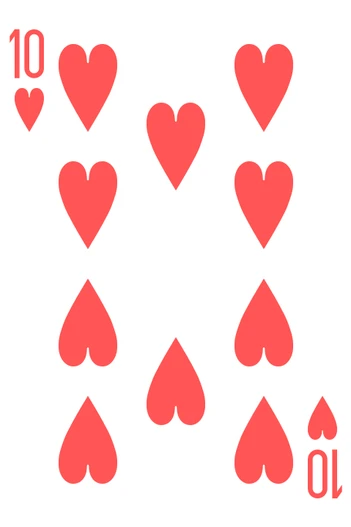
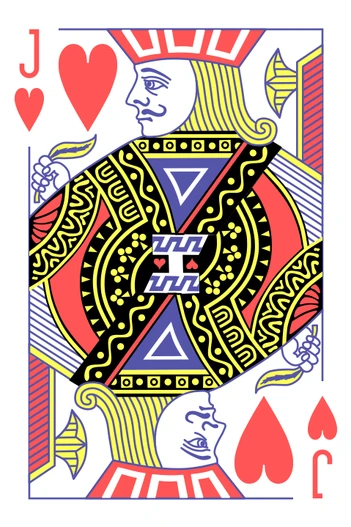
Jack of Spades and Ten of Spades Playing Card Combination
Jack of Spades and Ten of Spades combination in cartomancy: an unreliable person sets the theme and serious trouble deepens it. Love, work and card order.
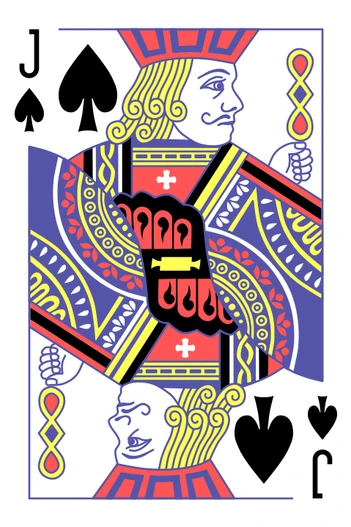
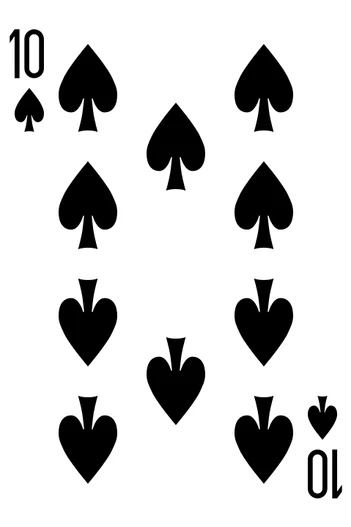
In short. Jack of Spades sets the theme of a young ill-wisher or unreliable person, and Ten of Spades qualifies it with serious trouble, promising real difficulty through another's recklessness.
In this order the Jack of Spades leads: it names the restless youth or unreliable acquaintance around which the story forms. The Ten of Spades follows and turns that theme into a drawn-out band of chores and obstacles. Both cards belong to the airy suit of Spades, so the whole combination is coloured by worry, disputes, and strain, and the young man becomes the source of a large misfortune.
General Meaning of the Combination
The formula of the pair is simple: the Jack of Spades is the subject, an unreliable person or unwelcome news, while the Ten of Spades is the qualifier, serious difficulty and a drawn-out hard stretch. First a restless acquaintance or a contested report appears, and at once it grows into heavy chores, obstacles, and paperwork. The element of Air sounds twice here, so the matter comes down to worries, conflicts, and messages that pile one on another. The ten pushes the heaviness of spades to its peak, while the leading Jack shows where the trouble comes from: a young man let you down, spun an intrigue, or brought news that started the larger trouble. Together the cards speak of serious difficulty through another's recklessness, of a tense period when affairs accumulate and an unreliable acquaintance only deepens the stretch. This is not a verdict but a hard test of endurance to be waited out with a cool head.
In Love and Relationships
In private life the leading Jack of Spades shows a difficult person nearby: a jealous admirer, a rival, or an acquaintance prone to cutting talk. The Ten of Spades adds a drawn-out crisis in the relationship, when tension builds and quarrels drag the feelings down. For a couple the order means a falling-out or the meddling of a third party comes first, and then that crack grows into a heavy band of trials. The sharpness of a young man sets off a run of conflicts that weighs on both. For a single person the combination hints at an acquaintance burdened with worry, in which a restless companion makes it hard to open up and brings more unease than warmth.
In Work and Finances
In matters of work the leading Jack of Spades brings an unreliable colleague or ill-wisher who lets you down and spins an intrigue. The Ten of Spades qualifies the theme with serious difficulty: projects stall, routine and strain pile up, and circumstances press harder than usual. Together the cards describe a serious pile-up that began with another's recklessness, when a young man wrecked the plans or twisted your words. This is a time of endurance rather than quick wins, so do not trust important matters to unproven people. With money the pair warns of expenses tied to trouble: fines, paperwork, smoothing over someone else's mess. The best time to avoid large investments and keep a reserve.
Reverse Order
If you swap the cards, the hard stretch leads rather than the person. In the combination Ten of Spades and Jack of Spades the talk is first of serious trouble and a drawn-out crisis, and only inside that stretch does a young ill-wisher appear as one of the hindrances. There difficulty comes first, and the restless youth merely deepens it. In our order it is the reverse: an unreliable person or news arises first, and only then does the story unfold into heavy chores. The accent shifts from the stretch itself to the one who started the trouble, so the two versions read differently.
The Cards' Advice
Do not let an unreliable person draw you into a large misfortune. The combination advises you to recognize the young ill-wisher early, keep your distance, and trust nothing important to anyone you are unsure of. Conserve your strength, take on nothing extra, and wait out the hard stretch with a cool head. Close the accumulated matters one by one, do not multiply anxieties, and keep your plans private. Whoever keeps their composure leaves this passage with experience and without serious losses.