Four of Hearts and Two of Spades Playing Card Combination
A combination of Four of Hearts and Two of Spades: a home and comfort that then meet separation and a hard choice.
In short. Four of Hearts + Two of Spades: The couple first builds a shared home, then a choice between the relationship and a move forces an honest decision about what matters more.
The combination opens on solid ground: the Four of Hearts speaks of home, family, and a calm union. The Two of Spades follows and shifts the tone. Settled domestic life meets the need to choose, and the choice has to be made honestly. This sequence often shows up for people who have already set up a shared home and then receive an offer or run into something left unsaid. The cards do not predict a breakup. They show the strain between what has been built and what can no longer be put off.
General Meaning of the Combination
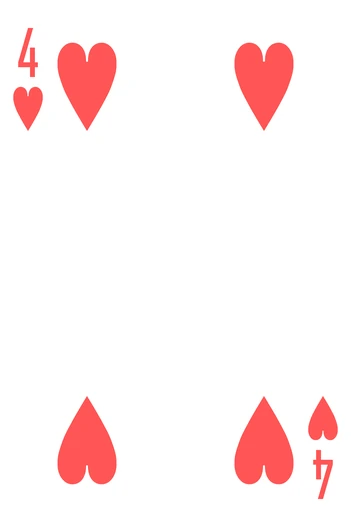
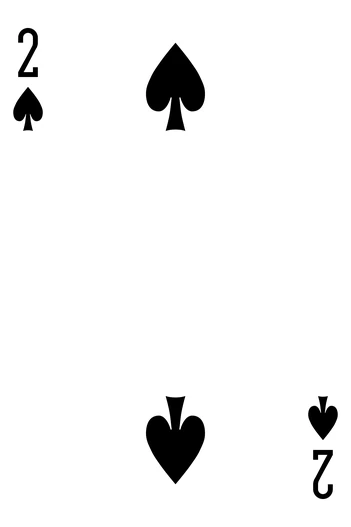
The first card sets the subject: stability, home, family comfort, a decision to live together seriously. The second card changes the course. Separation, deceit, or a hard choice arrives where everything had recently been arranged. This order suggests that the stability of the relationship is being tested. Someone may watch shared plans fall apart because of different wants or a hidden truth.
The combination is useful because it shows the cost of a choice. The home already exists, so turning away from one path means losing part of that comfort. The cards do not say the decision will be hard for both of you, but they suggest it cannot be postponed. An honest talk about what matters most to each of you helps you see whether to hold on or to let go without bitterness.
Love and Relationships
For a couple, the combination reads sharply. You have moved in together, set up the home, made plans, and then one partner gets an offer that pulls you to different cities. The Four of Hearts shows that trust and affection are present, while the Two of Spades asks you to decide whether you are ready to move or to stay.
It is also possible that someone is hiding an important truth about feelings or plans. If you notice gaps in what you are told, ask directly and calmly, without accusation. For a single person, the combination advises against rushing into something new while older attachments are still unfinished.
Feelings, Thoughts and Intentions
Feelings. A person first feels warmth and confidence, then heaviness and pain at having to give up something familiar. The ground may seem to shift, even though everything seemed firm not long ago. The sharpest sting is injustice, especially if someone close has kept the truth back.
Thoughts. Thoughts keep returning to the home that has been set up and to whether it can be kept. A person weighs the consequences of each path and tries to understand why the situation turned this way. There is often a wish to know who is to blame and a question about whether everything built together was a mistake.
Intentions. The intention is usually to clear the air and make a decision, even if it hurts. A person wants an honest talk with their partner about the move, the future, and what each of you needs. Sometimes this combination brings a readiness to let go of what no longer holds, so as not to live in stagnation.
Career and Work
Work may end up at the center of the choice. If you work from home or in a family business, an offer may require moving or changing location. Before turning down a stable position, check your agreements and weigh what you stand to lose.
Finances
Money put into a shared home can become a source of dispute. If you are deciding whether to sell the flat or split moving costs, write down in advance what belongs to whom. Receipts and payment records prevent misunderstandings.
Health
Nervous strain from the choice and from unsaid things can disturb sleep and mood. Keep your usual routine and do not stay alone with the worry. A talk with someone close often eases part of the tension.
Situation and Question
The situation demands a choice, and each decision takes something important with it. The home and the relationship are now being tested, and the question cannot be left open for long. Honesty with yourself and with your partner will help you see what truly holds you together.
Reverse Order
In the reverse order, the Two of Spades comes before the Four of Hearts. First you see the Two of Spades: a parting, deceit, or a hard choice that feels painful. The Four of Hearts changes course and speaks of home, family, and calm. The second card does not cancel the weight of the first. It shows that after a loss a new stability is possible. So the reading moves from a break toward an attempt to set life in order again. Compare: Two of Spades and Four of Hearts.
The Cards' Advice
Talk honestly about what matters most to each of you: home, work, the relationship. If you sense you are being deceived, ask plainly and check whether words match actions. Do not decide in a rush, but do not drag the decision out for months.
Four of Hearts Combinations
Everyone Reads at Astralika
Enough theory: time to ask the cards a question of your own. There are 346 readings on love, work, health and more.
Your Birth Card
In cardology every day of the year has its own playing card. Enter your date of birth to see which one is yours and what it says about your character.