Eight of Hearts and Five of Spades Playing Card Combination
The combination of Eight of Hearts and Five of Spades points to warm contact that runs into refusal, delay, or a lost argument.
In short. Eight of Hearts + Five of Spades: The first card brings warmth and openness, while the second turns the matter toward refusal, delay, or open conflict.
When the Eight of Hearts sits with the Five of Spades, the issue almost always starts with a real wish to talk, meet, or say something kind, and then runs into a sharp edge. The pair is about speech, contact, and timing. Someone wants to open up, send a message, invite, or make peace, but the reply turns cold, the meeting falls through, or the talk turns into a dispute. This is not a silent pair. It puts words in the center and shows how those words can help at first and then hurt if the other side pulls back or pushes back.
General Meaning of the Combination
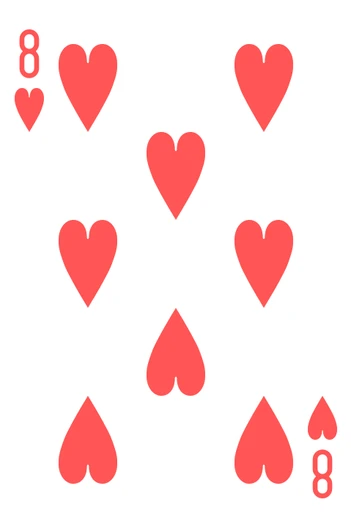
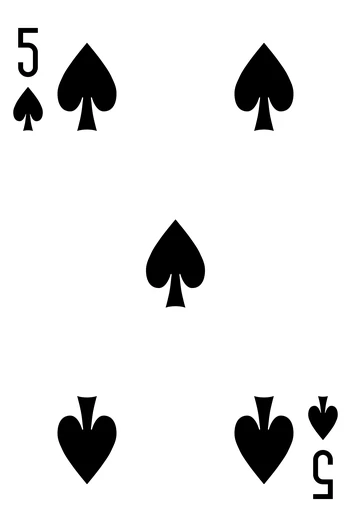
In this pair the Eight of Hearts gives the subject and the Five of Spades changes the course. At first there is warmth: a wish to write, invite, say something kind, or make peace. Then something goes wrong. One person answers sharply, another arrives late, a third sidesteps the topic, and the soft tone turns to irritation. A familiar scene: a meeting is nearly agreed, then the other person moves it at the last minute. The pair holds both a chance and an obstacle. It shows that a good tone does not fix the problem if people will not keep their word or listen to each other.
Love and Relationships
In love this pair often shows a tender start that turns into hurt or a sharp exchange. One person wants to come closer, write, or ask about feelings, but a cutting remark, jealousy, or a cancelled meeting spoils it. For a couple, this is a sign that soft words will not help if one side is already holding resentment. For a single person it can mean a pleasant contact that fades because of timing or the other person's reserve.
Feelings, Thoughts and Intentions
Feelings. The feeling side is mixed. There may be genuine warmth at first, then disappointment, hurt, or irritation when the answer comes back cold or the plan falls apart. The person wants closeness, but the setback quickly cools the mood.
Thoughts. Thoughts circle around what was said, what was missed, and where things went off track. The person may replay the conversation in their head, ask whether they spoke too soon, or wonder if they should have kept quiet. The main focus is the break in the exchange.
Intentions. Intentions often move toward caution. The person may still want contact, but they are less eager to push. They may wait, step back, or try once more only if the other side shows clear interest and can speak without unnecessary argument.
Career and Work
At work this pair points to a friendly business talk that slides into a dispute or a refusal. The start looks promising, then one side changes the terms or says no at the critical moment. Check deadlines and the other side's words in writing before you rely on them.
Finances
In money matters, the pair can show a late repayment, a purchase that falls through, or a disagreement about cost. It is wiser to avoid relying on a promise that has not been backed up.
Health
For health, this looks like stress after a disappointing talk. The best use of the pair is to slow down, rest, and keep your routine simple so tension does not linger in your body.
Situation and Question
For a direct question, the answer often starts with a warm opening and then runs into refusal, delay, or an argument. The result depends on whether you accept the limit or try to force more from it.
Reverse Order
With the Five of Spades before the Eight of Hearts, the subject begins with setback, refusal, loss, or a lost argument. That starting point must not be missed. The Eight of Hearts follows and changes the feel of the reading: a kind message, an invitation, a softer reply, or a calmer conversation comes after the hard part. This order shows recovery after friction rather than friction after warmth. It can describe someone who first pushes you away and later tries to speak more gently, or a plan that begins badly and then finds a better tone. The softening is a response, not the opening move, so the pair can point to a bruise that still gets attention, a cold exchange that later thaws, or a dispute that does not get the last word. Compare: Five of Spades and Eight of Hearts.
The Cards' Advice
Speak plainly, but do not chase someone who has already pulled away. If the talk turns sharp or the plan falls apart, step back and save your strength. A calm pause helps more than a harder push, and it leaves room for a better conversation later.
Eight of Hearts Combinations

Everyone Reads at Astralika
Enough theory: time to ask the cards a question of your own. There are 346 readings on love, work, health and more.
Your Birth Card

In cardology every day of the year has its own playing card. Enter your date of birth to see which one is yours and what it says about your character.