Two of Spades and Queen of Diamonds Playing Card Combination
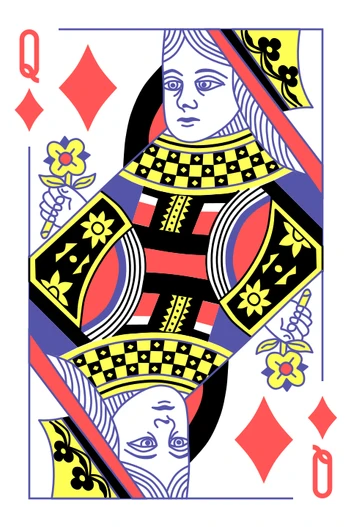
The combination of Two of Spades and Queen of Diamonds: a separation or hard choice, followed by practical order.
In short. Two of Spades + Queen of Diamonds: A painful choice or separation is followed by a practical decision that helps restore order.
The combination of the Two of Spades and the Queen of Diamonds describes a path from a breakup or hard choice to a calm, businesslike outcome. First you face a separation, deceit, or a decision in which something must be left behind. Then a practical woman with a clear mind appears to help set things in order. The second card here does not cancel the pain, but shows that afterward order can be restored and a steady path chosen.
General Meaning of the Combination
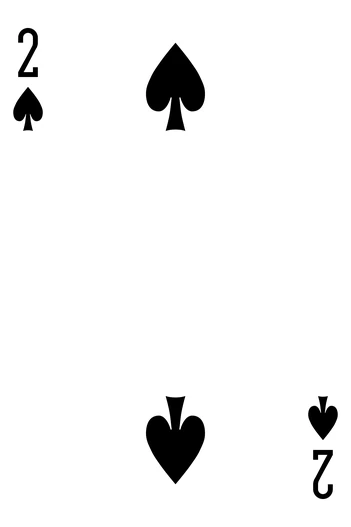
The first card, the Two of Spades, speaks of a breakup, deceit, or a choice where both paths are difficult. You, or someone near you, are going through a hard moment when a familiar bond collapses or it becomes clear someone was not honest. Emotions run high and simple fixes do not work. That is why in this order the cards first ask you to acknowledge that much has gone wrong despite your calculations.
The second card, the Queen of Diamonds, comes after and shifts the tone. Now calm good sense takes the foreground. You start counting what is left, what can be protected, and what must be let go. This turn matters: it shows that practicality here does not deny the earlier pain but helps you move on without new losses.
Love and Relationships
In love, this combination describes a couple who have gone through a painful breakup or enforced separation. First someone may walk away, confess to deceit, or force a hard choice. Then there is room to talk calmly about the shared home, belongings, money, and how to live on. For a single querent the card means that after a painful experience comes a clear-eyed view of new relationships. You no longer rush, and you choose a partner with whom a reliable life can be built.
Feelings, Thoughts and Intentions
Feelings. At first it may be hard: pain, resentment, a sense of having been deceived or left behind. Over time the emotions settle, and some footing returns. You notice you can already hold yourself together and think about the future without tearing yourself apart.
Thoughts. Your thoughts first circle the causes of the breakup and the question of who was right. Then they move to specifics: what to do about housing, money, shared things, how to rebuild your life. You begin to think practically, splitting the situation into parts.
Intentions. You want to get through the pain honestly and stop returning to untruth. The intention is toward a calm, steady life in which decisions are made with thought. You are ready to give up what no longer works and build order anew.
Career and Work
At work this combination may mean a partnership or team is splitting, but then there is a chance to take responsibility and build a new order. For example, a colleague leaves and you are given a section of work to run yourself. At first there may be unpleasant talks about who did what and who owns what. Then a practical approach helps divide the tasks, settle the agreements, and keep your professional ties intact.
Finances
In money matters the card suggests that after deceit or a breakup you need to total things up calmly. This may involve splitting shared funds, debts, or purchases. It is better first to establish the facts and decide what belongs to each person. Then there is room to draw up a sensible budget, drop unnecessary spending, and keep what can still be saved.
Health
At first the strain of a breakup or hard choice can weigh heavily on sleep and energy. Gradually a settled routine helps: regular meals, walks, enough rest, and time with people you trust. A practical daily structure gives support while emotions are still boiling and keeps you from wearing yourself out completely.
Situation and Question
Right now you are going through a breakup or a hard choice, but afterward there is room to act calmly and sensibly. The key is not to rush to conclusions but first to honestly admit what happened. Then you can draw up a plan: what to let go of, what to protect, and where to begin again.
Reverse Order
In the reverse order, Queen of Diamonds then Two of Spades, the calm, businesslike side comes first: you try to calculate everything, keep things orderly, and find a steady solution. Then the second card arrives and shows that calculation does not always save you. The situation reaches a separation, deceit, or a hard choice. Everything will not necessarily settle, and you must honestly admit that order and advantage do not always match feelings. Compare: Queen of Diamonds and Two of Spades.
The Cards' Advice
First give yourself time to get through the separation or the unpleasant truth, but do not postpone sorting out the facts for long. Write down what belongs to each of you, what is worth keeping, and what you can let go. Then choose one concrete step, such as discussing the budget or agreeing on how to divide shared belongings. A calm order will help you get through this period with dignity.
Two of Spades Combinations

Everyone Reads at Astralika

Enough theory: time to ask the cards a question of your own. There are 346 readings on love, work, health and more.
Your Birth Card
In cardology every day of the year has its own playing card. Enter your date of birth to see which one is yours and what it says about your character.