Three of Diamonds and Eight of Clubs Playing Card Combination
The combination of the Three of Diamonds and the Eight of Clubs shows an official paper first, then a work talk that changes the terms of the matter.
In short. Three of Diamonds + Eight of Clubs: People first formalize the paperwork, then they talk it through and revise the terms of the matter based on what has been written down.
In this order, the card begins with paper, not with a conversation. The Three of Diamonds brings a letter, an application, a contract, a notice, or an official reply. Then the Eight of Clubs steps in, and the person has to talk about what is written, clarify the terms, argue about timing, or adjust the work setup. This order often appears when the document has already arrived and only then do you pick up the phone, arrange a meeting, or start writing back. The card shows the paper landing first, and the direct conversation beginning after that. It is the talk that changes how the matter moves forward.
General Meaning of the Combination

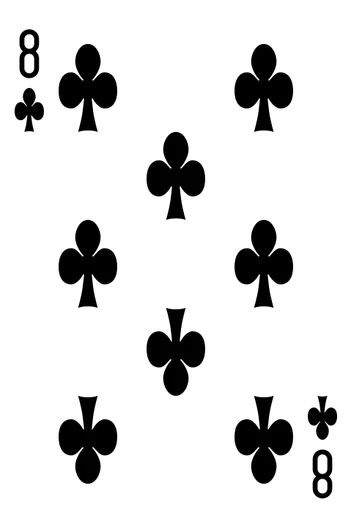
This combination feels firmer and drier than the other order. The person first runs into the paperwork. They see a contract, an invoice, a letter from an office, an order, a refusal, an invitation, or a new set of rules. Only after that do they enter a conversation with the actual text in hand. Because of that, the tone is often businesslike and sometimes cautious. You are not discussing an idea from scratch. You are discussing something already printed, signed, or sent. The person cannot speak as if nothing has happened, because the paper has already set the frame.
This pair often appears when formalities come before personal comfort. You may first see the dry document and only then understand who you need to speak to and how. That can happen at work, in a bank, at an office, in a purchase, in a rental deal, with an application, a role change, a price adjustment, or a deadline. First the system sets the terms, and then people try to adjust those terms to their lives. The card does not like vague handling of details. It asks you to read everything carefully and to ask about the points that could later cost you an extra trip or a drawn-out argument.
Love and Relationships
In love, this order often brings an official issue to the front. The couple may receive a letter, a record, an invitation, a bill, or another document that touches shared life. Only after that do the partners sit down and discuss what it means for the relationship. The talk may concern a wedding, housing, money, a move, a child's documents, or a trip together. It circles around a paper that is already there, so it can sound sharper than either person wanted.
Feelings, Thoughts and Intentions
Feelings. The person feels alert rather than settled. The document is what first catches them, because it sets limits and may narrow their room to move. Only after that do they gather themselves for the business talk.
Thoughts. Their thoughts are busy with what has already been written and what has to be changed in it. They read the lines again and again, look for catches, compare words, and think about the right reply. They do not want to miss a detail.
Intentions. They want to clarify the terms, ask direct questions, request a correction or a new version, and only then move ahead. They are not ready to agree automatically. They need to understand the paper first and then speak about the next step.
Career and Work
An order, letter, or contract arrives first, and then the work talk begins about what to do with it. That may mean changed terms, a new schedule, a new project, or a correction to old agreements. Reading everything carefully matters here.
Finances
In money matters, this pair often shows an invoice, a payment notice, terms of payment, or a letter with new figures. After that, people argue about the amount or deadline and clarify details. Careful checking matters more than speed.
Health
For daily routine and health, the card advises reading instructions, forms, and appointment notes carefully. If the day has already grown heavy, do not ignore fatigue and leave yourself time to rest. Paperwork can be tiring too.
Situation and Question
The situation first arrives as a letter or document, and only then does it call for a conversation. Because of that, a person may feel they have been handed a done deal. Even so, the card still gives a chance to clear things up and talk it through again.
Reverse Order
First, it helps to discuss the terms calmly and ask every important question without rushing. Then move straight to the paper, the email, the form, or the signature while both sides still remember the same thing. Do not leave what matters on verbal promises alone. In this pair, clear wording and a carefully written document leave nothing open to guesswork and help secure the result. Compare: Eight of Clubs and Three of Diamonds.
The Cards' Advice
Do not start with broad talk if you already have the paper or letter in hand. Read the text first, then name what does not suit you and ask for edits. This pair advises keeping the documents close and speaking briefly but precisely so that another person’s wording does not box you into an awkward corner.
Three of Diamonds Combinations






Everyone Reads at Astralika
Enough theory: time to ask the cards a question of your own. There are 346 readings on love, work, health and more.
Your Birth Card

In cardology every day of the year has its own playing card. Enter your date of birth to see which one is yours and what it says about your character.