Jack of Spades and Ten of Diamonds Playing Card Combination
Meaning of the Jack of Spades and Ten of Diamonds combination in cartomancy: a young ill-wisher sets the theme and big money qualifies it. Love, work and card order.
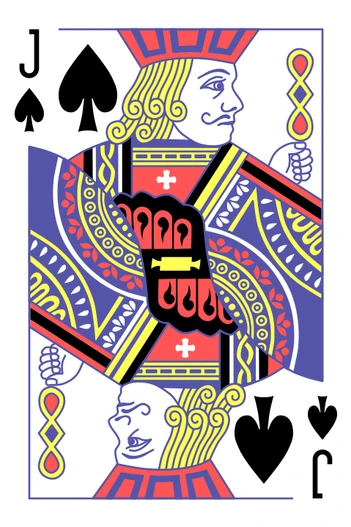
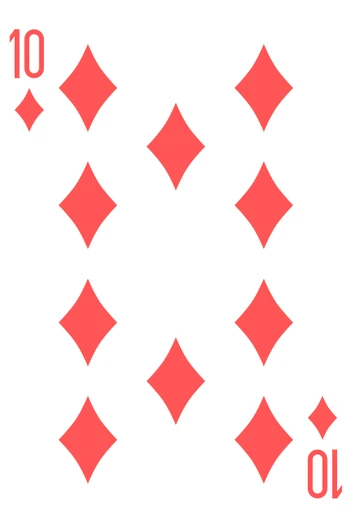
In short. Jack of Spades sets the theme of a young ill-wisher or unwelcome news, and Ten of Diamonds qualifies it with big money, promising a contested matter with a catch.
In this order the Jack of Spades leads: it names the restless youth or the contested report around which the story forms. The Ten of Diamonds follows and turns that theme into money, paperwork, and a large sum. The airy suit of Spades meets the earthy suit of Diamonds, so worry and disputes are laid over a solid money matter, where the hindrance or the doubt comes from a young man.
General Meaning of the Combination
The formula of the pair is simple: the Jack of Spades is the subject, a young ill-wisher or unwelcome news, while the Ten of Diamonds is the qualifier, big money and an important paper. First a restless person or a contested report appears, and at once it touches a large sum, a deal, or a document. The Air of spades throws in worry and distrust, while the Earth of diamonds gives the matter material weight, so the talk is of money surrounded by noise. The ten on its own is one of the strongest money cards in the deck and promises large profit, yet the leading Jack adds a catch: contested money, an unreliable debtor, a deal with a sour aftertaste. Together the cards speak of a money matter tangled with a young ill-wisher, of bad news about money or paperwork, of a large sum that calls for caution. Profit is possible, but a risk of deceit and empty promises is mixed into it.
In Love and Relationships
In private life the leading Jack of Spades shows a difficult person nearby: a jealous admirer, a rival, or an acquaintance prone to cutting talk. The Ten of Diamonds adds the theme of money and household matters within a relationship. For a couple the order means a falling-out or the meddling of a third party comes first, and then the dispute moves on to spending, possessions, and shared plans. The sharpness of a young man poisons the talk about money, and calculation crowds out feeling. A purchase meant to be joyful ends in disappointment. For a single person the combination hints at a practical acquaintance in which a restless companion quickly shows self-interest, with advantage rather than attachment behind it.
In Work and Finances
In matters of work the leading Jack of Spades brings unwelcome news or a young rival colleague you should not partner with. The Ten of Diamonds qualifies the theme with big money: a deal, payment for labour, an important paper. Together the cards describe contested money and a deal with a catch, where noise rises around a large sum and a young schemer tangles the reckoning. Profit is near, but a risk of collapse or deceit is mixed into it. With money the pair warns plainly: double-check agreements, hand over nothing without a written record, and trust no promise that is not on paper. A venture that looks profitable may turn into a loss if you take it on faith.
Reverse Order
If you swap the cards, money leads rather than the person. In the combination Ten of Diamonds and Jack of Spades the talk is first of large profit or an important paper, and only in the money matter does an ill-wisher appear with bad news. There money comes first, and the young schemer merely clouds it. In our order it is the reverse: a restless person or news arises first, and only then does the story unfold into money. The accent shifts from the profit to the source of worry, so the two versions read differently, though both warn of caution in money matters.
The Cards' Advice
Do not trust money to promises or restless people. The combination advises you to double-check the terms of any deal and not to sign papers blindly while there is so much fuss around. Keep your distance from a young man who offers easy gain, and do not lend to anyone who promises too freely. Take any contested news about money calmly, count what was promised, and the large sum the ten points to will not slip away through someone else's cunning.