Four of Spades and Two of Clubs Playing Card Combination
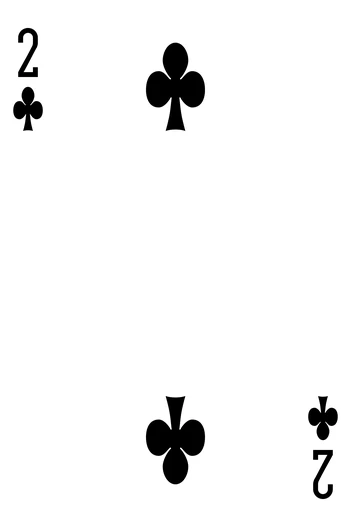
Combination of the Four of Spades and the Two of Clubs: minor worries that turn into obstacles and disappointment in people.
In short. Four of Spades + Two of Clubs: Fatigue from small tasks meets obstacles and disappointment in people, and it is people who keep decisions waiting.
The Four of Spades describes a run of minor worries that eat up time and energy. The Two of Clubs adds obstacles, gossip behind your back and unreliable people. Together the cards suggest you are tired of everyday chores, and someone is letting you down on top of that. Small things pile up, and each seems almost bearable, but together they press down. The key in this combination is not panic but understanding where the tiredness comes from: part of it comes from duties, part from people you counted on.
General Meaning of the Combination
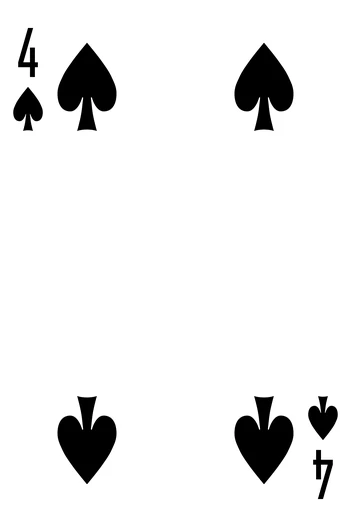
The first card, the Four of Spades, sets the background. This is a stretch when a leaking tap, a sick child and a report to redo follow one after another. Each task can be solved, but together they wear you down. Money may also be tight, and rest keeps getting postponed.
The second card, the Two of Clubs, changes the direction. Tiredness is no longer just a matter of time: obstacles, delays and people who do not keep promises appear. A colleague holds back his part of the work, someone repeats your words in a distorted form. Fatigue turns into irritation and disappointment. The pairing suggests that the weight comes from both the tasks and the unreliability of those around you.
Love and Relationships
In a relationship this combination brings everyday strain, made worse by mistrust. Partners get tired of household duties and start arguing over small things. Disappointment may concern promises the partner did not keep, or friends who interfere in your life. If you have been together a long time, it is worth talking about real grievances rather than dishes or bills. If you are single, the card advises not rushing into a new acquaintance, because tiredness makes it hard to see a person clearly.
Feelings, Thoughts and Intentions
Feelings. You feel irritated and worn out. Small chores and unreliable people make everything seem to slip from your hands. You may resent people who promised help but gave none. Sometimes it seems that you are being laughed at behind your back, and that makes things uneasy and anxious.
Thoughts. Your thoughts circle around current problems and who can be trusted. You consider who let you down and who did not, and whether to believe what you heard. The thought may come that everything rests on you alone. We cannot say you know what others think, but your own worries are often built on exactly such conclusions.
Intentions. Intentions usually come down to caution. You want to check facts calmly, avoid an open conflict and divide duties more fairly. You may feel like stepping back from people who irritate you, at least for a while. This is not necessarily a way out of a relationship, more an attempt to protect yourself and not waste strength.
Career and Work
At work you are probably busy with routine and waiting for a colleague or manager to move things forward. The project stalls and office talk distracts you. Divide the tasks in writing so it is clear who is responsible for what. Stay out of discussions about other people's business and keep your temper level.
Try our readings
Finances
The cards point to money arriving late: a payment may come later, or an agreement about costs is being revised. Do not count on what has not arrived yet, and remind people about payments in writing. Shared expenses with others need clear agreements so that misunderstandings do not arise.
Try our readings
Health
Constant tiredness and small conflicts can show up in sleep and headaches. This is everyday stress, and rest and limiting contact with irritating people help most. Find a few quiet hours each day.
Situation and Question
The situation is complicated by small obstacles and people who get in the way. You are tired, and at the same time you have to deal with the unreliability of others. Work out exactly what is holding the matter up and tackle it step by step rather than trying to solve everything at once.
Reverse Order
The Two of Clubs comes first and sets the cause: obstacles and disappointment in people. The Four of Spades comes second and shows the result: tiredness, small worries and money strain. The order changes the meaning: people let you down first, then you become worn out. The focus shifts from unreliability to what it does to ordinary life. Compare: Two of Clubs and Four of Spades.
The Cards' Advice
Cut down the amount you take on by choosing the three most important things, and note which people keep their word. Talk to your colleague calmly and concretely, naming the tasks and deadlines. Do not share personal plans with people you do not fully trust.
Four of Spades Combinations
Everyone Reads at Astralika
Enough theory: time to ask the cards a question of your own. There are 346 readings on love, work, health and more.
Your Birth Card
In cardology every day of the year has its own playing card. Enter your date of birth to see which one is yours and what it says about your character.