Four of Clubs and Seven of Spades Playing Card Combination
Combination Four of Clubs and Seven of Spades: shaky support that is followed by sorrow and small disappointments.
In short. Four of Clubs + Seven of Spades: First the support you counted on lets you down, and then the hurt leaves a lasting sting.
The Four of Clubs speaks of words that do not match deeds. The Seven of Spades shows what follows: hurt, sadness, and small disappointment. Together they describe a path from trusting someone who fails your expectations to a quiet bitterness that has to be lived through. The pairing does not predict disaster. It describes a specific situation in which you believed first and were then let down.
General Meaning of the Combination
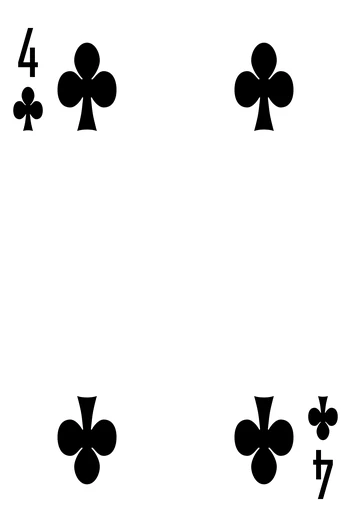
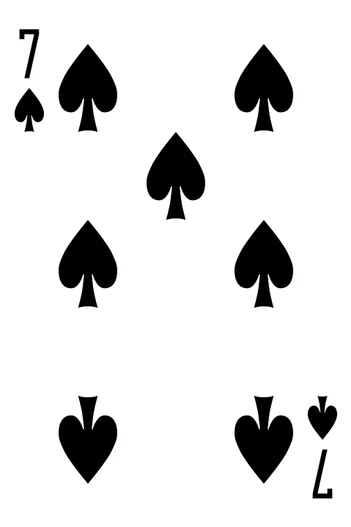
When the cards fall in this order, the first sets the theme and the second shows how it plays out. The Four of Clubs means the person you leaned on proved unreliable. They may say one thing and do another, or keep the terms hidden. The Seven of Spades shows the aftermath: you feel hurt, upset, and it is hard to let go. The order matters because the sadness comes after a mistake in trust, not before.
The outcome is usually gentler than it first looks. The pairing speaks of a conversation that leaves a bad taste, a broken promise, or an unpleasant surprise. The cards do not point to a major loss. They describe a case where you believed someone's words and now must work through the disappointment and decide what to do next.
Love and Relationships
In a relationship the Four of Clubs suggests a partner is not fully honest. They may be keeping quiet about debts, work, or feelings. The Seven of Spades then brings a sad talk and a hurt. You speak sharply, they answer coldly, and both feel the bitterness. The pairing does not forecast a breakup. It shows that distrust and resentment can spoil an evening or a week if they go unspoken.
For singles the pairing advises not to rush into affection. A new acquaintance promises attention, then goes quiet or answers reluctantly. You are upset and wonder if you misjudged them. It hurts, but it passes faster if you do not build all your hopes on that one person.
Feelings, Thoughts and Intentions
Feelings. You feel a tension that turns into irritation and sadness. First comes wariness toward the person, then disappointment when it becomes clear they did not live up to what you hoped for. The feeling can be quiet but heavy, as if something important did not work out.
Thoughts. Your thoughts circle around questions: could you have seen earlier that they were not telling everything? Why did it hurt so much? You replay the words said and look for a hidden meaning in them. Often the thought appears that you are to blame for trusting too easily.
Intentions. You want to check the facts first and then decide what to do. You may feel like confiding in someone close or stepping back for a while. It helps to understand what you want to keep and what to let go, and not to make decisions driven only by hurt.
Career and Work
At work the Four of Clubs can mean a colleague or manager has not kept a promise, perhaps not giving you deserved credit or changing the terms. The Seven of Spades then brings an unpleasant talk and resentment. It is wise to write down agreements rather than rely on spoken promises, and not to let emotions damage your relationship with the team.
Try our readings
Finances
In money matters the pairing points to an unreliable arrangement about cash. A friend or partner promises to repay a loan or split costs but does not follow through. Then an annoying bill or expense stings. The cards advise recording amounts and deadlines in writing and not lending more than you could lose without resentment.
Health
For health the pairing suggests nervous strain more than a physical problem. Betrayed trust and the sadness that follows can bring tiredness, poor sleep, and headaches. Steady routines, walks, and talking with someone you trust help. If the low mood lingers for a long time, it is worth seeing a doctor.
Situation and Question
In a situation the pairing suggests that someone involved is holding back information. You learn this not right away, and then you feel let down. Gather the facts, avoid jumping to conclusions, and remember that disappointment can cloud judgment.
Reverse Order
In reverse order, the Seven of Spades comes first and the Four of Clubs follows: sadness comes before a search for people who can be trusted. With the Four of Clubs first and the Seven of Spades second, unreliability precedes its consequences. The cause comes first and the effect second: an error in trust is followed by bitterness you need to get through. Compare: Seven of Spades and Four of Clubs.
The Cards' Advice
Check agreements in writing and speak to the person calmly, without blame. If the disappointment is strong, give yourself time to grieve, but do not make decisions on the first evening. Trust those who back up their words with actions.
Four of Clubs Combinations
Everyone Reads at Astralika
Enough theory: time to ask the cards a question of your own. There are 346 readings on love, work, health and more.
Your Birth Card
In cardology every day of the year has its own playing card. Enter your date of birth to see which one is yours and what it says about your character.