Five of Hearts and Eight of Clubs Playing Card Combination
The combination of Five of Hearts and Eight of Clubs shows worry or jealousy first, then a practical talk that changes the tone of the matter.
In short. Five of Hearts + Eight of Clubs: A feeling unsettles things first, then a practical talk tries to put them in order.
Here the emotional note comes first. The Five of Hearts brings worry, jealousy, hurt feelings, or a mistaken reading of words. Only after that does the Eight of Clubs come in and turn the matter into a practical conversation. Because of that order, the person feels unsettled before they can even say what is wrong. The pair often marks the moment when nerves push a situation toward a direct talk.
General Meaning of the Combination

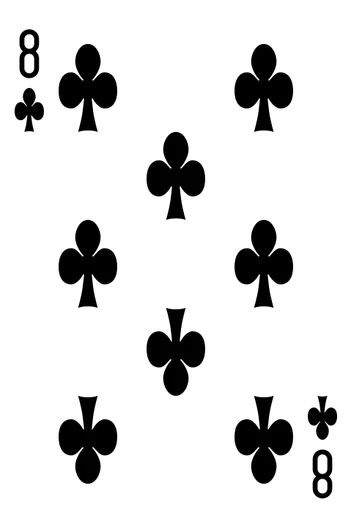
This combination begins with emotional unease, so the tone is personal from the start. Someone may feel off because of a delay, a short reply, a strange message, or the sense that something has shifted. Then comes the chance to speak plainly and ask what is going on. In this order, the Eight of Clubs does not erase the feeling by itself, but it gives a way out of the fog through a direct meeting, a clear question, or a practical agreement.
What matters here is the difference between feeling and fact. The feeling arrives first, and the work of the conversation comes after. That conversation may be with a partner, a boss, a co-worker, a client, or anyone who affects your daily life. The cards warn against sitting with guesses too long. If you stay silent, the worry grows. If you speak calmly and on point, the situation has a chance to become clearer.
Love and Relationships
In love, this pair often shows someone getting upset first and only then bringing up the issue. You may feel jealous, hurt, or unsure about your partner's tone, and after that a serious talk becomes necessary. The Eight of Clubs gives you the talk itself. It does not promise an easy one, but it does help you name the problem in plain words.
For a couple, this is useful when both people are ready to be honest. For a single person, the pair can show a new attraction that first makes you nervous and then pushes you to ask questions or find out more. Do not rush to decide you are unwanted. Sometimes the other person is simply busy, and your anxiety turns that into a larger story. Ask instead of guessing. The cards favor direct speech over silent fear.
Feelings, Thoughts and Intentions
Feelings. Emotion begins with unease and can quickly slide into jealousy. The person may react sharply to a small detail, especially if they already felt uncertain. The feeling is strong, but it is not always accurate, which is why it can get tangled up with fact.
Thoughts. The mind tries to build a picture from fragments. The person checks words, timing, pauses, and tone, then decides it is time to ask directly. They want clarity, but first their head is filled with doubt and second-guessing.
Intentions. The intention is usually simple and direct. The person wants to speak, ask openly, get an answer, and stop guessing. Even if they feel tense, they still want to move from emotion to a practical conversation and name things plainly.
Career and Work
At work, this pair can show worry around a task, then a talk that clears the air. It may involve a manager, a deadline, or a question for a colleague. If you speak directly, you are more likely to cut through the tension and get the facts you need.
Finances
In money matters, the cards can point to concern about a payment, debt, or shared purchase. First you may worry, then you have to call, write, or meet and check the amount. It is wiser to clear the details early than to fight over a small mismatch later.
Health
This pair points to nerves, tiredness, and disturbed sleep after worry. It helps to keep the evening quiet, step outside for air, and give the body a break from the day’s tension.
Situation and Question
The situation moves from worry to conversation. Something unsettles you first, and then there is a chance to ask plainly and hear an answer without hints. The card advises against waiting too long, because clarity comes through direct words.
Reverse Order
The Eight of Clubs sets a practical subject first, so the issue begins as a normal talk about work, money, or terms. The Five of Hearts then changes the course by adding jealousy, worry, or a misunderstood tone. That means the problem is not usually the task itself, but the way it is heard or felt. If the cards were swapped, the feeling would come first and the conversation would try to explain it. In this order, the talk itself triggers the emotional reaction, so the best move is to slow down, ask again, and separate facts from personal guesses. Compare: Eight of Clubs and Five of Hearts.
The Cards' Advice
Do not keep the worry locked inside, and do not build a story from one awkward detail. Ask what was meant, separate the fact from the fear, and keep the talk focused on the issue in front of you. This pair works best when you respect the feeling but do not let it drive the whole exchange.
Five of Hearts Combinations
Everyone Reads at Astralika

Enough theory: time to ask the cards a question of your own. There are 346 readings on love, work, health and more.
Your Birth Card

In cardology every day of the year has its own playing card. Enter your date of birth to see which one is yours and what it says about your character.