Eight of Spades and Five of Spades Playing Card Combination
A combination of the Eight of Spades and Five of Spades: a hard conversation that leads into a temporary setback or a missed chance.
In short. Eight of Spades + Five of Spades: A difficult conversation comes first, and it may then turn into a setback or a missed chance.
The Eight of Spades sets the tone: a hard conversation is coming, and much depends on how you handle it. The Five of Spades shows the outcome may not match what you hoped for. Together they describe a serious talk that could be followed by a temporary setback. The pair does not promise failure, but it asks for care with your words and attention to your own state.
General Meaning of the Combination
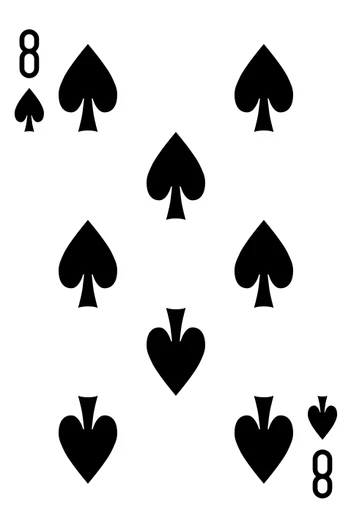
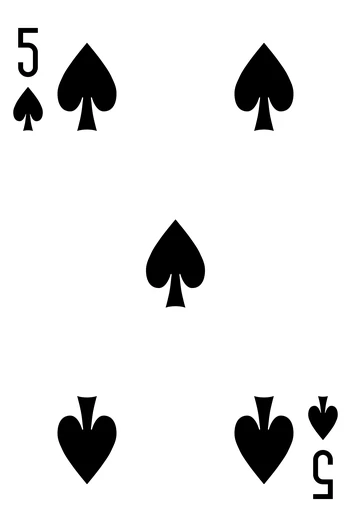
This pair begins with an anxious conversation and moves toward a setback. The Eight of Spades speaks of an important talk you have been putting off, tension that has built up, and fatigue now showing. It also warns of overwork and frayed nerves. The Five of Spades shows that after the talk an obstacle, a dispute, or a missed chance may follow. The cards do not say failure is certain, but they suggest that careless words or haste can bring it closer.
This combination advises you to look after yourself first and prepare for the talk, then not to dramatise the result. If the conversation goes badly, the card does not promise a hopeless situation. It describes a temporary obstacle that can be survived and corrected.
Love and Relationships
In a relationship this pair describes a hard talk about built-up grievances that does not go smoothly. You may say something sharp, or stay silent and miss an important moment. Your partner may not hear what you mean, and the quarrel can hurt more than you wanted. For a single person the card may point to a poor first meeting or an uncomfortable exchange after which contact ends.
If you feel you argued and were wrong, this pair advises saying so briefly and without excuses. A simple "I overreacted" matters more right now than sorting out who started it. That keeps the connection intact instead of turning the talk into a fight to win.
Feelings, Thoughts and Intentions
Feelings. The person probably feels anxious before the talk, tired, and increasingly tense. When a conversation is difficult, irritation and bitterness about how it turned out can mix together and make the day feel hard.
Thoughts. Thoughts circle around finding the right words so the talk does not go wrong. Then another thought arrives: maybe it will not work after all and the chance will be lost. The person replays what happened, wonders what could have gone differently, and tries to understand why it went this way.
Intentions. The intention is first to prepare and speak calmly, then to accept whatever result follows. The person wants to clear up the situation without fighting for victory. They may choose to rest or rethink their approach if the first attempt fails.
Career and Work
At work this pair warns of a hard conversation with a manager or colleagues, after which a setback is possible: a project may not be approved or a promotion may go to someone else. Do not explain everything in a rush. Prepare your arguments beforehand, state your position calmly, then ask what could be improved. That way even a setback becomes useful information.
Try our readings
Finances
Here the pair may stand for a difficult conversation about money with family or a partner, after which a shared purchase or expense does not go ahead. It is important not to rush decisions, double-check the figures, and not chase losses with impulsive spending. The card only describes tension around shared costs and gives no promise of income.
Health
On health, the pair speaks of everyday fatigue and nervous strain. A hard talk and a setback can disturb sleep and mood. Simple things matter: proper rest, a steady routine, short walks. If tiredness does not ease, it is worth seeing a doctor. The card gives no diagnosis and predicts no illness.
Situation and Question
In ordinary life this pair describes a case where an unpleasant talk with a neighbour, relative, or colleague does not get the result you want. You will not reach your goal at once, and you will need to step back and try later. It is better not to argue until you are exhausted and to accept that there are limits for now.
Reverse Order
In the reverse order, the Five of Spades comes before the Eight of Spades. First comes the obstacle or setback, and only then the hard conversation. In the direct order the difficult talk is the cause and the setback its consequence. In the reversed order the tension arrives first, the setback comes next, and the conversation becomes an attempt to explain or repair after the loss. The direct order puts more weight on preparing for the talk. The reversed order puts more weight on dealing with what happened and owning mistakes. Compare: Five of Spades and Eight of Spades.
The Cards' Advice
Prepare for the conversation and speak without rushing. Do not treat a possible setback as a verdict. Look after your sleep and rest before the strain wears you down. After the talk, ask what could be improved and do not let one setback grow into a whole story.
Eight of Spades Combinations

Everyone Reads at Astralika

Enough theory: time to ask the cards a question of your own. There are 346 readings on love, work, health and more.
Your Birth Card

In cardology every day of the year has its own playing card. Enter your date of birth to see which one is yours and what it says about your character.