Cause of Death — Rune Reading

When someone close dies and there is no clear answer to the question why, the mind starts assembling its own version. That process is agonizing because imagination always paints something worse than reality. A free online rune reading with five symbols gives a direct answer, no hedging, no vague language. Runes show what caused the death, whether the tragedy had a chance of going differently, and whether anyone around the person played a role in what happened. Runic symbols do not comfort and do not frighten, they name what occurred, briefly and precisely. The reading also addresses the question that often turns out to be the hardest for those left behind, whether they could have been saved. Guilt over someone else's death can destroy the life of the person who survived, and this spread helps sort out whether that guilt is grounded or not. A rune leaves no room for speculation, and that is its value even when the answer is difficult to hear. Beyond causes and circumstances, the runes suggest how to live after loss without turning grief into a life sentence. This reading is for those who need an answer not out of curiosity but to finally exhale and stop the cycle.

Recommended
Total 12









Guess the Rune Meaning
Rune Reference
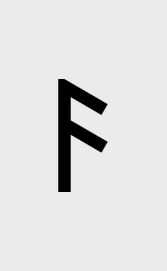


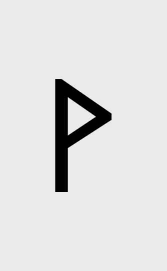
What the reading reveals
-
What caused the death?
What took the life. Disease that went undetected, a chain of unlucky events, interference from another person, or a conscious choice. The answer will not be cushioned.
-
Could it have been prevented?
The question that gnaws from the inside. Whether a moment existed when everything could have gone differently, and why that window was missed.
-
Who influenced the circumstances of the passing?
Behind some deaths stand not just events but specific people. Whether anyone from the circle played a part, knowingly or without realizing the consequences of what they did.
-
What lesson does this loss carry for those left behind?
Losing someone reshapes those who remain. What this death was meant to bring to the surface for the living, what conclusions to draw and what to reconsider going forward.
-
How to let go and move forward?
Grief without end becomes a trap. How to keep moving without betraying the memory of the departed, yet without destroying yourself with mourning that has no horizon.
When to do a reading
The official explanation does not match what you feel
They told you it was heart failure, but the person was thirty-five. Ran every morning, never complained about health, had vacation plans. The autopsy report sits in a folder, but every time you reread it, questions multiply. Something in this story does not add up, and you feel it even though you cannot put it into words.
They died too young with no visible cause
No warning signs. The person left the house and never came back, as simple as that. You spoke to them the day before and nothing seemed wrong. What remains are photographs, a half-read book on the nightstand. A life cut short in the middle of a sentence.
People around you are hiding something
After the funeral, details started surfacing. A neighbor noticed an unfamiliar car outside the house, a colleague mentions a strange conversation a week before the death. Relatives keep telling you to stop digging, but the harder they push back, the louder your suspicion grows.
Months have passed and the grief will not lift
You have been carrying this weight for half a year now. Mornings begin with thoughts of them, evenings end the same way. Friends carefully suggest it is time to move on, but how do you move on when you still do not understand what happened?
You need an answer to stop blaming yourself
You keep telling yourself you could have saved them if you had paid attention. That thought does not leave, not at work, not in sleep. You comb through every meeting and conversation looking for the moment when it was not too late. Without a clear answer about the cause, you remain the one to blame.