Cause of Death — Lenormand Reading
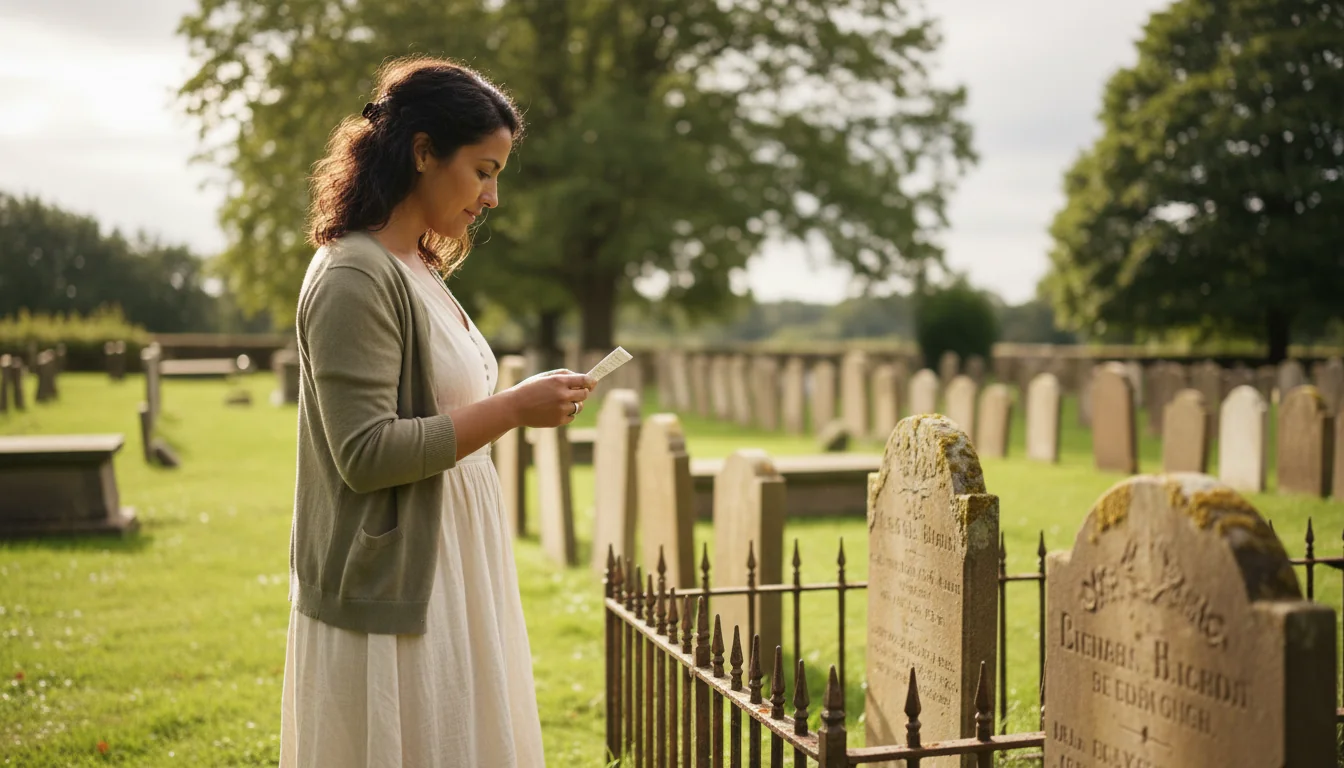
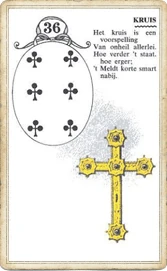
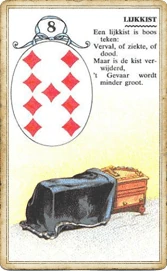
When someone dies, a trail of small details gets left behind that nobody pays attention to in the fog of grief. A receipt in a jacket pocket, a note saved on their phone, an unknown number in the call log an hour before they died. A free online Lenormand card reading works with exactly this kind of evidence. Five cards lay out the mundane fabric of events and show what was happening around the person in their final days, who appeared nearby, and which minor things lined up in a way that led to tragedy. Lenormand does not deal in feelings or signs from fate. The spread works with specifics. The Coffin card points to the nature of the death, the Fox reveals where the story contains deception, and the Rider shows which piece of news or encounter set the chain in motion. Scattered facts that mean nothing individually line up into a clear sequence once the cards are on the table. A Lenormand reading on cause of death suits those who are short on facts, not comfort. Sometimes one detail that everyone overlooked is enough to turn the entire understanding of what happened upside down, and this spread helps locate that detail.
Recommended
Total 12











Guess the Card Meaning
Lenormand Reference
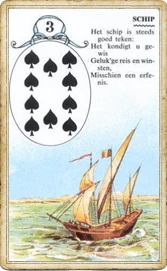
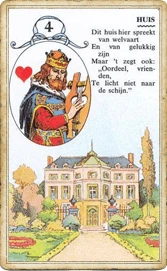
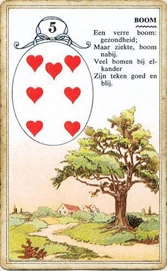
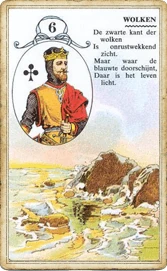
What the reading reveals
-
What did this person die from?
The specific cause of death. Not vague fate but what actually happened. An illness that was left untreated, an everyday situation that spiraled out of control, or a chain of circumstances that each seemed harmless on their own.
-
What was happening around them before the death?
Who the person was seeing before their death, where they went, what changed in their usual routine. Day-to-day details from the final days that turn out to be crucial in hindsight.
-
Who in their circle knows more than everyone else?
Among the people who were close, someone knows more than they let on. Not necessarily guilty, but silent. What exactly they are withholding and why they chose not to speak.
-
Which small things added up to this tragedy?
Tragedy rarely comes from a single cause. A postponed doctor visit, an unanswered call, a coincidence of schedules. Which small, mundane details locked together and led to the death.
-
What else from this story will surface?
The story does not end here. What facts, records, or witness accounts will come to the surface soon and reshape the understanding of what took place.
When to do a reading
The details you have do not form a coherent picture
You have the date, the location, and the diagnosis. But the moment you start comparing notes, the picture falls apart. One document says one thing, a conversation with the neighbors tells a different story, and the family repeats a third version. Everyone remembers their own fragment and none of them match. Somewhere in all the contradictions, the truth is hiding.
The death looks accidental but the coincidences keep piling up
Tripped on flat ground, choked on food, mixed up medications. It sounds straightforward, explainable, domestic. Except a week before it happened he changed the locks, three days before he gave his dog to a friend, and the night before he called you at an unusual hour. Any one of those things means nothing on its own. Together they form a line.
People who were around the deceased have gone quiet
His coworker showed up at the funeral but left before everyone else and spoke to no one. A neighbor saw an unfamiliar car parked outside the building the day before the death but only mentioned it a month later. Someone who was close to the person definitely knows more than you do. The question is what exactly and why they are keeping it to themselves.
Small things before the death now feel like warnings
You keep going back to how two weeks before the death he skipped his usual route. Or how in the last phone call he brought up someone you had never heard of. Or how he looked off at the nephew's birthday party. Each of those things passed without notice at the time. Now they will not leave your head.
You want to piece together the full story
You do not need theories or consolation. You want to gather every fragment and see the full picture of what happened. Understand the order of events, figure out where each person fits into the chain, and finally stop guessing in the dark.