Am I Doing the Right Thing? — Tarot Reading

You said what you meant, then spent the evening wondering whether you had been cruel. The conversation is over. In your head, it keeps starting again. This free online Tarot reading approaches the doubt behind Am I Doing the Right Thing through your motives and the effect of a familiar response. Feeling guilty after setting a boundary does not settle whether it was fair. Being hurt does not make every reply fair either. Think of one exchange you can remember clearly, including what you wanted from the other person. The spread considers your behavior now and where repeating it could lead. It also makes room for stopping. If you no longer defended yourself in every conversation, what would happen to the relationship? That possibility deserves as much attention as carrying on. Another part concerns your attitude, including expectations the other person may never have agreed to meet. Treat the interpretation as something to weigh against the actual exchange. Recognizing a motive does not excuse its effects. Reconsidering your own response need not mean that everything you felt was wrong.
Your Reading Is Ready

1Are you doing the right thing now?

2What is driving your actions?

3Where will your behavior lead?
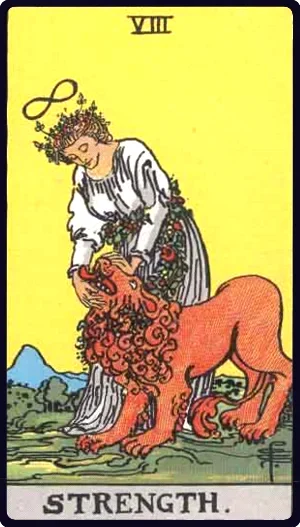
4What happens if you stop acting this way?
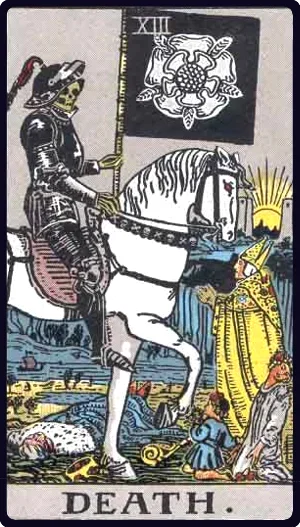
5What should you reconsider about your attitude?
Save Your Reading
What the reading reveals
-
Are you doing the right thing now?
Assess a specific action against your own wishes and other people's boundaries. Guilt alone does not prove a mistake, just as confidence cannot justify everything you do.
-
What is driving your actions?
Habitual responses can make your motives hard to notice. You protect what matters to you, but how does hurt after an argument enter into it? What is influencing you now?
-
Where will your behavior lead?
Repeated actions gradually affect your relationships and how you feel. Today's reaction matters, but so does where keeping this habit will take you over time.
-
What happens if you stop acting this way?
Giving up familiar behavior affects the situation too. Would life feel easier without constant explanations? Would closeness survive if you stopped reaching out?
-
What should you reconsider about your attitude?
Your attitude sets the tone before a conversation even begins. Consider what you expect from the other person and how much responsibility you are taking on yourself.
Recommended
Total 23





















Your Birth Card

Everyone has cards that walk with them through life. Enter your date of birth to meet yours: one speaks of your character, the other of what your soul is seeking.
Guess the Card Meaning
Tarot Reference
Want to read Tarot yourself? Learn the meaning of every card upright and reversed, in love, work and health, and read spreads on your own.





When to do a reading
You keep defending a boundary
You told a relative you would no longer discuss your relationship at dinner. They say you have become oversensitive, and the next invitation arrives with a joke about your rules. You still want to go, but you have been rehearsing your defense all afternoon.
You apologize after every disagreement
After a disagreement, you send an apology so the evening can return to normal. Your partner accepts it without mentioning their own words. The peace feels good for an hour. Then you remember that the subject you needed to discuss has disappeared again.
You hide good news from a friend
A friend has had a difficult year, so you leave your promotion out of the conversation. When they ask about work, you say nothing much has changed. Keeping quiet once felt considerate. Now you edit every update before speaking. How long can you keep doing that?
You test whether someone misses you
For once, you leave their message unanswered until the next day. You want to know whether they will notice your absence after weeks of being the one who starts every conversation. Each notification makes you check your phone, even though you meant to take a break.
You keep revisiting an old argument
An argument ended days ago, but you keep bringing up one sentence they said. They have apologized and want to move on. You agree, then find yourself quoting it again during an ordinary conversation. What would have to happen for that sentence to stop coming back?