About a Small Child — Lenormand Reading
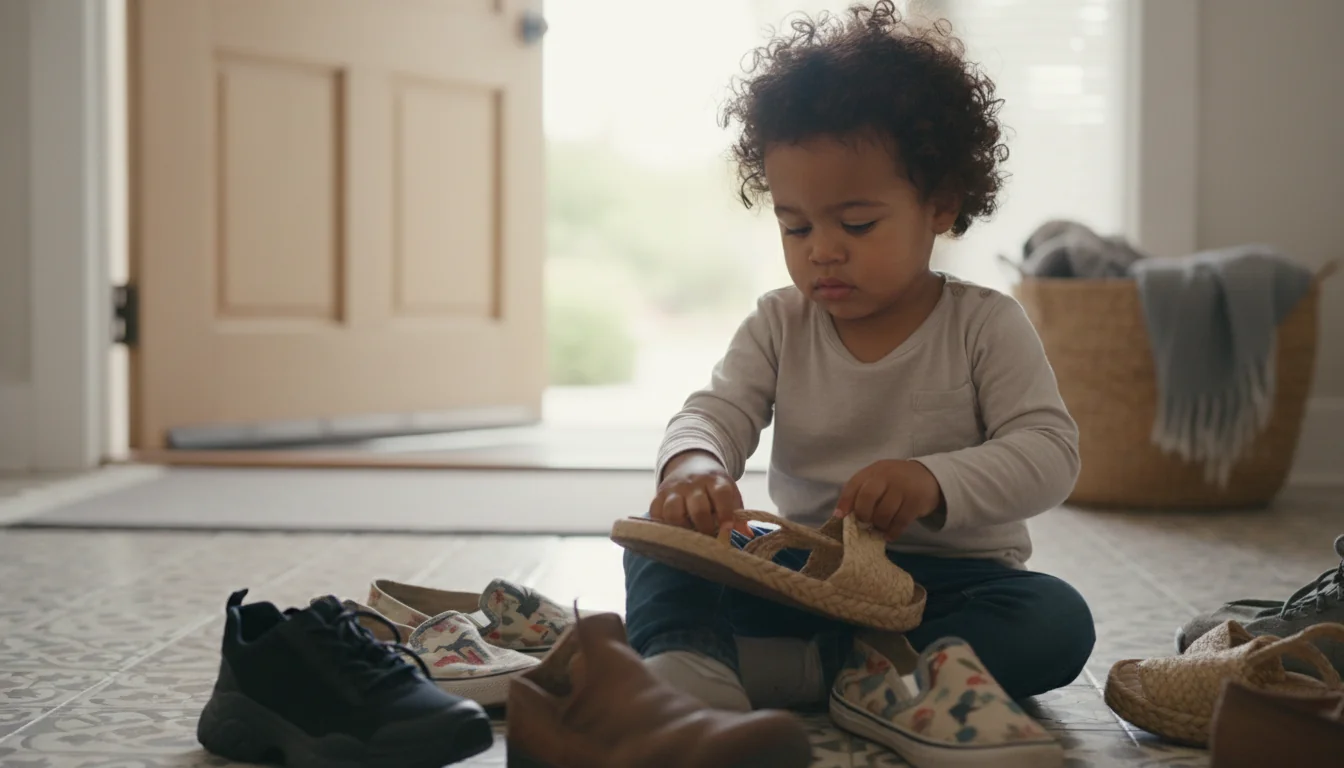
Breakfast half eaten, a walk refused, asleep on the living room rug before story time. Each one is nothing on its own. Together they form a pattern you cannot quite read yet. A free online Lenormand reading about a small child works with exactly these kinds of details. The five card spread examines everyday circumstances around your little one rather than emotions or hidden psychology. Who among the adults in your child's life is shaping their behavior. What routine changes have thrown off their rhythm. Whether a specific person or place is making them pull away. Lenormand reveals factors you can check and change. Not vague anxiety but a missed nap because the neighbors are loud. Not "they need more attention" but something specific: grandma stopped picking them up from daycare and your child noticed. You will see what daily routine suits your little one best and who they reach for when they need to feel protected. This is not a diagnosis and not a substitute for a pediatrician. But when you sense you are overlooking some practical detail in your child's life, a free Lenormand spread can help you find it.





Recommended
Total 8






Guess the Card Meaning
Lenormand Reference






What the reading reveals
-
Is my child okay?
You sense something is off with your child but cannot pinpoint what. The full picture of circumstances surrounding your little one right now. Whether the environment is calm or small things you overlook are piling up and affecting them every day.
-
Who around them raises concerns?
Grandmother, nanny, daycare teacher, a neighbor's kid on the playground. Many adults move through your child's world, and not all of them have the same effect. A specific person whose influence on your little one deserves a closer look.
-
What has changed in their surroundings?
A new bedroom, a different daycare, grandma visiting less often. Changes that seem minor to adults can reshape a child's entire world overnight. What exactly has shifted in their daily life and why it matters more than you think.
-
What daily routine do they need?
Mealtimes, walks, bedtime. A child needs rhythm, and when that rhythm breaks, they react before anyone else notices. Which daily habits are working for your little one right now and which ones need rethinking.
-
Who do they feel safest with?
Mom, dad, grandma, an older sibling. A child gravitates toward the person who makes them feel calmest. Who in your family is their anchor right now, the one they reach for when the world gets too big.
When to do a reading
Your child acts completely different around certain people
With you they are one child, with grandma another. The daycare teacher describes a third version you barely recognize. Every adult in their life sees a different kid, and you have no idea which version is closest to the truth. Maybe they adapt to whoever is in charge. Or maybe someone in their circle creates an atmosphere where your child simply does not feel safe.
They have been unsettled since you moved
New apartment, unfamiliar neighborhood, different sounds at night. You are excited about the fresh start, but your toddler keeps asking for things from the old place. The same cartoon feels wrong because the couch is different. For them, everything shifted at once, and no amount of explaining makes it better. You want to help but do not know what they need most right now.
The babysitter or grandparent reports problem behavior
Grandma calls to say your child would not listen. The babysitter texts that the evening was rough. You were not there and did not see what happened. Two versions of events, and neither matches the child you know at home. What sets off the conflict in the first place?
Your child refuses to go to a specific place
Daycare drop-off goes fine, but a doctor visit turns into screaming and clinging. Or the opposite: they run to one relative and hide from another behind the curtain. Your child has a clear map of safe and unsafe, but they cannot explain it. You see the reaction. The reason stays hidden.
A new person entered your home and your child changed
Dad's friend started coming over more often. Or mom has a new partner. Maybe you took in a roommate. Your child notices the unfamiliar adult in their space and responds. Worse sleep, more clinginess, refusing to stay in a room alone. You suspect the new person is the trigger, but you are not certain.