Study Reading — Rune Reading

A course can fit neatly into your calendar and still feel difficult to carry. One topic takes a whole evening, while another slips out of memory before you can practise it. Working harder starts to feel like the only option. This free online study rune reading offers space to consider the way you learn across a period you choose. Think of a term or a particular course before you begin. The focus is on how effort develops into understanding, along with the pressure that interrupts that process. Your answers concern that stretch of learning rather than your abilities for life. You might be studying at school, completing a degree, or returning to a subject on your own. Runes approach the situation through movement and resistance, with attention to the resources available to you. A slower pace may give a skill room to settle. A different form of practice may make better use of the same time. Compare the ideas with your actual workload and the feedback you receive. No symbol can set your grades or replace a teacher. What you can take away is a clearer sense of which part of your study routine deserves your attention next.





What the reading reveals
-
What will my study efforts lead to?
The connection between the work you put in and the skills you build during your chosen period. Where your current pace is taking you, and how that fits your reason for studying.
-
What is slowing my learning progress?
The part of learning where progress gets held up. Taking on too much may call for a different response from struggling with gaps in your understanding of the basics.
-
Can I handle my study workload?
How the amount of work fits the capacity you have available. Whether there is room to recover between assignments, especially when you try to do more than usual.
-
What can I rely on while learning?
Support you can draw on as you continue learning. Your existing skills and help from others, without the expectation that you must always manage every difficulty alone.
-
What should I change about studying?
How well your usual study method suits the work in front of you. Which habits remain useful, and where a change of pace could keep your effort from going to waste.
Recommended
Total 60



























































Your Birth Rune
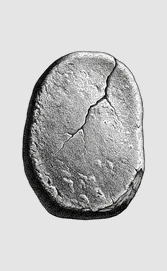
The runic year has 24 stretches, each watched over by a rune of its own. Find the one that stood guard on the day you were born.
Guess the Rune Meaning
Rune Reference






When to do a reading
You put in the hours but struggle to apply the material
Your notes are thorough and you have watched every lesson. Then an unfamiliar exercise leaves you staring at a blank page. You are making time and turning up consistently, so it feels particularly discouraging when that effort does not yet become a skill you can use.
You keep adding courses to an already full schedule
How did one extra course make even the familiar subjects harder to manage? Everything fitted in the calendar before you started. Now one assignment pushes another aside, and the weekend has become a place to store all the work you cannot finish during the week.
You worry about keeping up again
The previous term left you exhausted. This time you want a steadier pace, but a familiar amount of work already makes you uneasy. You have not fallen behind yet. Still, you keep anticipating the point when keeping up will mean giving up every chance to rest.
You cannot find suitable practice materials
The course folder contains plenty of files, but the instructions refer to an older programme. There are hardly any examples to practise with. You want to keep studying and cannot tell which source would give you something usable without another evening spent checking mistakes.
You keep studying the way you always have
“I just need to try harder.” After another difficult lesson, you go back to copying out the chapter. It is a familiar method from school, although the volume of material has changed. What if spending more hours at your desk is no longer the answer?